















Saltar al contenido
MisLibrosTexto
Ad

Simple Present and Frequency Adverbs: Science News Grammar Exercises

📄 ejercicios ingles 🎓 secundaria · 2° Secundaria México 🇲🇽 MX 🗣 Español
Página 17
17 de 171
Página 17 de Uérakua anapu uantakua. Projects and Readings.  Libro de Educación Secundaria Grado 2°  Ciclo Escolar 2025 - 2026
Anterior Página 17 / 171 Siguiente

Respuesta rápida

  1. a) usually eat b) sometimes go c) often arrives d) usually does not study e) always practice f) rarely travels g) often watch h) never visit i) usually read j) always closes. 3. a) always b) often c) never. 4. Respuesta libre.
📚 exercise ingles ⭐⭐ Dificultad 2/5 ⏱ 8 min lectura

Solución — Página 17

Uérakua anapu uantakua. Projects and Readings. Libro de Educación Secundaria Grado 2° Ciclo Escolar 2025 - 2026

2
Ejercicio 2

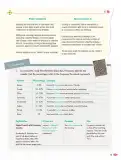
Fill in the blanks with the correct form of the verb in parentheses and the frequency adverb.

  1. Identifico el sujeto de cada oración para conjugar el verbo en presente simple.
  2. Coloco el adverbio de frecuencia según su posición: antes del verbo principal, después del verbo to be.
a
Parte 2.a

I usually eat lunch at noon.

Respuesta

usually eat

b
Parte 2.b

We sometimes go to the movies on weekends.

Respuesta

sometimes go

c
Parte 2.c

The train often arrives late on Fridays.

Respuesta

often arrives

d
Parte 2.d

He usually does not study on Sundays.

Respuesta

usually does not study

e
Parte 2.e

They always practice playing their instruments after school.

Respuesta

always practice

f
Parte 2.f

She rarely travels to a new country every year.

Respuesta

rarely travels

g
Parte 2.g

We often watch TV in the evenings.

Respuesta

often watch

h
Parte 2.h

They never visit their grandparents.

Respuesta

never visit

i
Parte 2.i

I usually read a book before bed.

Respuesta

usually read

j
Parte 2.j

The library always closes at 5:00 p.m.

Respuesta

always closes

3
Ejercicio 3

Individually, considering everyone else, underline the correct frequency adverb.

a
Parte 3.a

Astronauts always wear spacesuits during missions.

Respuesta

always

b
Parte 3.b

Reporters often get to travel for interviews.

Respuesta

often

c
Parte 3.c

Scientists never give up on solving problems.

Respuesta

never

4
Ejercicio 4

Write your own science news headline using the simple present and a frequency adverb.

  1. Elijo un tema científico (por ejemplo, el clima).
  2. Uso presente simple para el verbo principal.
  3. Incluyo un adverbio de frecuencia.

Respuesta orientativa: Scientists Often Discover New Species in the Amazon Rainforest.

Writing

Challenge time! Think of a scientist or journalist you admire and describe their daily routine using the simple present and frequency adverbs.

Respuesta orientativa: My favorite scientist always wakes up early. She usually reads scientific articles before breakfast. She often works in the laboratory for many hours. She sometimes writes reports at night. She never forgets to spend time with her family.

Contenido de la página

  1. Fill in the blanks with the correct form of the verb in parentheses and the frequency adverb.

a) I ______ (eat) lunch at noon. (usually)

b) We ______ (go) to the movies on weekends. (sometimes)

c) The train ______ (arrive) late on Fridays. (often)

d) He ______ (not study) on Sundays. (usually)

e) They ______ (practice) playing their instruments after school. (always)

f) She ______ (travel) to a new country every year. (rarely)

g) We ______ (watch) TV in the evenings. (often)

h) They ______ (visit) their grandparents. (never)

i) I ______ (read) a book before bed. (usually)

j) The library ______ (close) at 5:00 p.m. (always)

Ready for some science news grammar exercises?

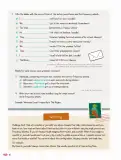
  1. Individually, considering everyone else, underline the correct frequency adverb.

a) Astronauts always/sometimes wear spacesuits during missions.

b) Reporters often/rarely get to travel for interviews.

c) Scientists usually/never give up on solving problems.

  1. Write your own science news headline using the simple present and a frequency adverb:

Example: Volcanoes Erupt Frequently in This Region.

Writing

Challenge time! Think of a scientist or journalist you admire. Imagine their daily routine based on what you know or you have read and heard about them and describe it in your notebook using the simple present and frequency adverbs. If you are having trouble imagining their routine, ask yourself: What do you imagine a scientist or journalist would need to do every day in order to publish a news article or a popular science text every few weeks or months? You can write about their writing habits, sleeping schedule, and family time.

For example:

My favorite journalist always researches stories. She usually spends a lot of time writing them.

Ejemplos resueltos

Example: Volcanoes Erupt Frequently in This Region.

Titular de noticia científica que usa presente simple (erupt) y adverbio de frecuencia (frequently).

My favorite journalist always researches stories. She usually spends a lot of time writing them.

Ejemplo de rutina diaria con presente simple y adverbios de frecuencia (always, usually).

Glosario (4)

frequency adverb
Adverbio que indica con qué frecuencia ocurre una acción (always, usually, often, sometimes, rarely, never).
simple present
Tiempo verbal que expresa acciones habituales o verdades generales.
headline
Titular de una noticia.
routine
Rutina o conjunto de actividades habituales.

Preguntas para practicar

What do you imagine a scientist or journalist would need to do every day in order to publish a news article?

Un científico o periodista necesita investigar, leer fuentes confiables, entrevistar personas, escribir borradores y revisar datos antes de publicar.

Temas y conceptos clave

Presente simpleAdverbios de frecuenciaNoticias científicasRutina diariaSimple presentFrequency adverbsThird person singular -sAuxiliary do/doesHeadline writing
¿Te fue útil esta página?

Figuras de la página (2)

Ilustración de un sobre de carta.
Figura 1 image
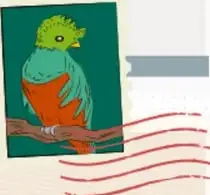
Ilustración de un perico o loro verde y naranja posado en una rama.
Figura 2 image

Preguntas que la gente también hace

¿Cómo se usa el presente simple con adverbios de frecuencia en inglés?
Consulta la solución completa arriba o explora el libro entero para temas relacionados.
¿Dónde se colocan los adverbios de frecuencia en una oración?
Consulta la solución completa arriba o explora el libro entero para temas relacionados.
¿Cómo escribir una rutina diaria en inglés usando presente simple?
Consulta la solución completa arriba o explora el libro entero para temas relacionados.
📌 Antes de leer esto
  • • Conjugación básica del presente simple
  • • Uso de auxiliares do/does
  • • Vocabulario de rutinas diarias
Siguiente tema sugerido
Presente continuo y adverbios de tiempo
📝 Transcripción de la página (texto seleccionable) 1828 caracteres
  1. Fillin the blanks with the correct form of the venb in parentheses and the frequency adverb.

a)I (eat) lunch at noon.(usually)

b) We (go) to the movies on weekends. (sometimes)

c)The train (arrive) late on Fridays. (often)

d)He (not study)on Sundays.(usually)

e) They (practice) playing their instruments after school.(always)

f) She (travel) to a new country every year: (rarely)

g) We_(watch) TV in the evenings. (often)

h) They (visit) their grandparents. (never)

i)(read)a book before bed.(usually)

j) The library (close) at 5:00 p.m.(always)

s Ans ensns a ps e aoo saaosea ensn samuy

Ready for some science news grammar exercises?

  1. Individually, considering everyone else, underline the correct frequency adverb.

a) Astronauts always/sometimes wear spacesuits during missions.

b) Reporters often/rarely get to travel for interviews.

c) Scientists usually/never give up on solving problems.

4Write your own science news headline using the simple present and a frequency adverb:

Example: Volcanoes Erupt Frequently in This Region.

Writing

anauto asenesamsuy

Challenge time! Think of a scientist or journalist you admire. Imagine their daily routine based on what you know or you have read and heard about them and describe it in your notebook using the simple present and frequency adverbs. If you are having trouble imagining their routine, ask yourself: What do you imagine a scientist or jounnalist would need to do every day in order to publish a news article or a popular science text every few weeks or months? You can wnite about their writing habits, sleeping schedule, and family time.For example:

My favorite journalist always researches stories. She usually spends a lot of time writing them.

![](page=0,bbox=[884, 496, 1035, 611])

![](page=0,bbox=[892, 1026, 1102, 1221])

4

16

Ad

Otros libros recomendados

Ver todos →
Ad

Usamos cookies propias y de terceros para personalizar contenido, mostrar publicidad y analizar el tráfico. Las cookies necesarias siempre están activas.