Saltar al contenido
MisLibrosTexto
Ad

Approach and Planning: Diversity of Opinions and Information Sources

📄 ejercicios ingles 🎓 secundaria · 2° Secundaria México 🇲🇽 MX 🗣 Español
Página 15
15 de 171
Página 15 de Uérakua anapu uantakua. Projects and Readings.  Libro de Educación Secundaria Grado 2°  Ciclo Escolar 2025 - 2026
Anterior Página 15 / 171 Siguiente

Respuesta rápida

Causa 3: desinformación intencional. Objetivo alternativo: contrastar tres fuentes sobre un mismo hecho y presentar conclusiones.

📚 exercise ingles ⭐⭐ Dificultad 2/5 ⏱ 8 min lectura

Solución — Página 15

Uérakua anapu uantakua. Projects and Readings. Libro de Educación Secundaria Grado 2° Ciclo Escolar 2025 - 2026

1
Ejercicio 1

Compare your table with your classmates' and, with the support of your teacher, modify them as required.

  1. Revisa tu tabla individual y verifica que tenga columnas claras: tema, fuente, opinión, evidencia.
  2. Intercambia tu tabla con un compañero y contrasten diferencias en fuentes y opiniones.
  3. Con ayuda del docente, ajusten los datos que no tengan respaldo o que estén incompletos.

Respuesta orientativa: La tabla final debe integrar al menos tres fuentes distintas, señalar si la información está verificada y anotar la postura personal frente a cada dato.

2
Ejercicio 2

Read popular scientific texts and news articles in Colección Sk'asolil. Múltiples lenguajes. Segundo grado and Colección Sk'asolil. Lenguajes. Segundo grado. Reflect on their relationship with the construction of collective memory.

  1. Selecciona un texto científico y una noticia de las colecciones indicadas.
  2. Identifica en cada uno: tema central, fuente citada y tipo de lenguaje (científico o periodístico).
  3. Relaciona ambos textos con la memoria colectiva: ¿qué hechos se recuerdan y cómo se transmiten?

Respuesta orientativa: Los textos científicos aportan datos verificables que se integran a la memoria colectiva como conocimiento compartido; las noticias, al narrar eventos, fijan versiones que la comunidad recuerda y discute. Ambos construyen la memoria al seleccionar qué se conserva y qué se olvida.

Approach

It's time to explore some of the reasons why there is a great diversity of opinions on the same topic and different positions regarding the truthfulness, usefulness, or importance of the information that a community receives.

In classroom community, select one possible cause of the difference in positions or perspectives on the same event and, if necessary, with the help of your teacher, think of other possible causes.

a
Parte 2.a

Cause 1

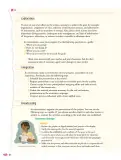
The information given by the media is biased, that is, it only presents the perspective of the broadcasting media. Most people consider this position as true and do not assume a critical stance towards it.

Respuesta orientativa: Esta causa explica que los medios pueden mostrar solo una parte de los hechos; por eso es importante contrastar con otras fuentes y adoptar una postura crítica.

b
Parte 2.b

Cause 2

There is a great deal of information gathered with no scientific evidence to support it. In addition, it is not verified or contrasted with reliable sources, because of its immediacy and the lack of time to verify it in specialized sources.

Respuesta orientativa: La inmediatez de las redes sociales favorece la difusión de datos sin respaldo; verificar en fuentes especializadas ayuda a distinguir información confiable de rumores.

c
Parte 2.c

Cause 3

Another cause could be... (Write it in your notebook.)

Respuesta orientativa: Otra causa es la desinformación intencional: grupos de interés difunden datos falsos para influir en la opinión pública. Esto genera divisiones y desconfianza en las instituciones.

Planning

In assembly, read and analyze the following objectives, as well as the means to achieve them. With the support of your teacher, modify what you think could be improved. If you consider it necessary, write in your notebook a different objective and the means to achieve it.

  1. Lean en asamblea los objetivos del proyecto y los medios propuestos.
  2. Discutan si los medios son suficientes y realistas para alcanzar cada objetivo.
  3. Propongan ajustes o un objetivo alternativo con sus propios medios.

Respuesta orientativa: Un objetivo alternativo podría ser: "Identificar y contrastar tres fuentes de información sobre un mismo hecho". Los medios serían: buscar noticias en dos periódicos y un artículo científico, elaborar una tabla comparativa y presentar conclusiones al grupo.

Contenido de la página

c) Compare your table with your classmates' and, with the support of your teacher, modify them as required.

  1. In order to strengthen your knowledge, read the contents on popular scientific texts and news articles in Colección Sk'asolil. Múltiples lenguajes. Segundo grado and Colección Sk'asolil. Lenguajes. Segundo grado. Reflect on their relationship with the construction of collective memory.

Approach

It's time to explore some of the reasons why there is a great diversity of opinions on the same topic and different positions regarding the truthfulness, usefulness, or importance of the information that a community receives.

In classroom community, select one possible cause of the difference in positions or perspectives on the same event and, if necessary, with the help of your teacher, think of other possible causes.

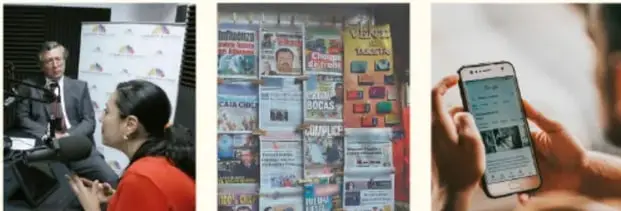
a) Cause 1. The information given by the media is biased, that is, it only presents the perspective of the broadcasting media. Most people consider this position as true and do not assume a critical stance towards it.

b) Cause 2. There is a great deal of information gathered with no scientific evidence to support it. In addition, it is not verified or contrasted with reliable sources, because of its immediacy and the lack of time to verify it in specialized sources.

c) Cause 3. Another cause could be... (Write it in your notebook.)

Planning

In assembly, read and analyze the following objectives, as well as the means to achieve them. With the support of your teacher, modify what you think could be improved. If you consider it necessary, write in your notebook a different objective and the means to achieve it.

Glosario (5)

biased
sesgado, que presenta solo una perspectiva
evidence
evidencia, prueba que respalda una afirmación
reliable sources
fuentes confiables
collective memory
memoria colectiva, recuerdos compartidos por una comunidad
assembly
asamblea, reunión del grupo para dialogar

Preguntas para practicar

¿Por qué existe una gran diversidad de opiniones sobre un mismo tema?

Porque las personas reciben información de distintas fuentes, algunas sesgadas o sin evidencia científica, y porque cada quien interpreta los hechos desde su contexto y experiencia.

¿Cómo se relacionan los textos científicos y las noticias con la construcción de la memoria colectiva?

Ambos seleccionan y difunden hechos que la comunidad conserva; los científicos aportan datos verificables y las noticias fijan versiones que se recuerdan y discuten.

Temas y conceptos clave

Diversidad de opinionesCausas de la desinformaciónMemoria colectivaPlanificación de proyectosSesgo mediáticoEvidencia científicaFuentes confiablesAsamblea

Fuentes y referencias

  • Colección Sk'asolil. Múltiples lenguajes. Segundo grado
  • Colección Sk'asolil. Lenguajes. Segundo grado
¿Te fue útil esta página?

Figuras de la página (2)

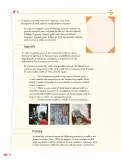
Hoja de papel con líneas para escribir, con esquinas naranjas.
Figura 1 image
Tres fotografías: una entrevista o conferencia de prensa, un puesto de revistas y una persona usando un teléfono inteligente.
Figura 2 image

Preguntas que la gente también hace

¿Por qué existen diferentes opiniones sobre un mismo tema?
Consulta la solución completa arriba o explora el libro entero para temas relacionados.
¿Cómo identificar información sesgada en los medios?
Consulta la solución completa arriba o explora el libro entero para temas relacionados.
¿Qué es la memoria colectiva y cómo se construye?
Consulta la solución completa arriba o explora el libro entero para temas relacionados.
📌 Antes de leer esto
  • • Leer textos en inglés
  • • Identificar ideas principales
  • • Elaborar tablas comparativas
Siguiente tema sugerido
Evaluación de fuentes y verificación de información
📝 Transcripción de la página (texto seleccionable) 1749 caracteres

Compare your table with your classmates'and, with the support of your teacher, modify them as required.

  1. In order to strengthen your knowledge, read the contents on popular scientific texts and news articles in Colección Sk'asolil.Multiples lenguajes. Segundo grado and Colección Sk'asolil.Lenguajes. Segundo grado. Reflect on their relationship with the construction of collective memory.

Approach

It's time to explore some of the reasons why there is a great diversity of opinions on the same topic and different positions regarding the truthfulness, usefulness, or importance of the information that a community receives.

In classroom community, select one possible cause of the difference in positions or perspectives on the same event and, if necessary, with the help of your teacher, think of other possible causes.

a) Cause 1. The information given by the media is biased, that is,it only presents the perspective of the broadcasting media. Most people consider this position as true and do not assume a critical stance towards it.

b) Cause 2. There is a great deal of information gathered with no scientific evidence to support it. In addition, it is not verified or contrasted with reliable sources, because of its immediacy and the lack of time to verify it in specialized sources.

c) Cause 3. Another cause could be... (Write it in your notebook.)

Planning

In assembly, read and analyze the following objectives, as well as the means to achieve them. With the support of your teacher, modify what you think could be improved. If you consider it necessary, write in your notebook a different objective and the means to achieve it.

36

![](page=0,bbox=[859, 157, 1153, 530])

![](page=0,bbox=[287, 1034, 908, 1245])

乐

14

Ad

Otros libros recomendados

Ver todos →
Ad

Usamos cookies propias y de terceros para personalizar contenido, mostrar publicidad y analizar el tráfico. Las cookies necesarias siempre están activas.