Saltar al contenido
MisLibrosTexto
Ad

Find and Learn: Investigación sobre cambio climático y probabilidad

📄 ejercicios ciencias-naturales 🎓 secundaria · 2° Secundaria México 🇲🇽 MX 🗣 Español
Página 88
88 de 171
Página 88 de Uérakua anapu uantakua. Projects and Readings.  Libro de Educación Secundaria Grado 2°  Ciclo Escolar 2025 - 2026
Anterior Página 88 / 171 Siguiente

Respuesta rápida

Respuestas orientativas: identificar fenómenos locales/regionales, analizar datos con probabilidad, comparar adaptaciones comunitarias, evaluar estrategias y proponer medidas.

📚 exercise ciencias-naturales ⭐⭐⭐ Dificultad 3/5 ⏱ 10 min lectura

Solución — Página 88

Uérakua anapu uantakua. Projects and Readings. Libro de Educación Secundaria Grado 2° Ciclo Escolar 2025 - 2026

2
Ejercicio 2

Find out which of these phenomena are local or regional, and how they have affected your community.

  1. Identificar fenómenos climáticos extremos: sequías, inundaciones, huracanes, olas de calor, heladas.
  2. Clasificar según su alcance: locales (heladas en un valle, inundaciones en una colonia) o regionales (sequías en el norte de México, huracanes en el Golfo).
  3. Describir efectos en la comunidad: pérdida de cultivos, daños a viviendas, escasez de agua, interrupción de servicios.

Respuesta orientativa: En mi comunidad, las sequías son un fenómeno regional que ha reducido el agua disponible y afectado la agricultura; las inundaciones son locales y dañan calles y casas en temporada de lluvias.

3
Ejercicio 3

Look for research and scientific publications that use climate models and statistical tools to analyze the uncertainty and chance in the occurrence of extreme climate events.

  1. Buscar en fuentes confiables: artículos de revistas científicas, informes del IPCC, publicaciones de universidades.
  2. Identificar el uso de modelos climáticos y herramientas estadísticas (probabilidad, series de tiempo, análisis de riesgo).
  3. Registrar cómo analizan la incertidumbre y la probabilidad de eventos extremos.

Respuesta orientativa: Los modelos climáticos usan datos históricos y simulaciones para estimar la probabilidad de eventos extremos; las herramientas estadísticas permiten calcular la incertidumbre y anticipar riesgos.

4
Ejercicio 4

With the help of an adult member of your family, interview experts on climate and meteorology, risk, and disaster management specialists, or community leaders that are experienced in prevention and response to extreme weather events.

  1. Elaborar una guía de entrevista con preguntas sobre prevención, respuesta y adaptación.
  2. Realizar la entrevista con un adulto de la familia.
  3. Registrar respuestas y compararlas con la investigación previa.

Respuesta orientativa: La entrevista permite obtener información de primera mano sobre cómo la comunidad se prepara y responde a eventos climáticos extremos, complementando los datos científicos.

Find and Learn

It's essential that you keep a record of all the information you find related to climate change.

Ad
1
Ejercicio 1

In community, continue the research you conducted in "Seek and Find," gather historic data and analyze patterns and trends using the probability and statistic concepts.

  1. Recopilar datos históricos de temperatura, precipitación y eventos extremos.
  2. Organizar los datos en tablas o gráficas.
  3. Analizar patrones y tendencias usando conceptos de probabilidad y estadística.

Respuesta orientativa: Al graficar los datos históricos se observan tendencias, como el aumento de temperaturas promedio y la mayor frecuencia de sequías, que pueden analizarse con medidas estadísticas.

2
Ejercicio 2

Compare the data you gathered and identify similarities and differences in how communities have responded and adapted to these phenomena.

  1. Comparar datos entre comunidades vecinas o regiones.
  2. Identificar similitudes: campañas de reforestación, sistemas de alerta temprana.
  3. Identificar diferencias: infraestructura, recursos, organización comunitaria.

Respuesta orientativa: Las comunidades con mayor organización y recursos implementan mejores medidas de adaptación, mientras que otras dependen de apoyos externos.

3
Ejercicio 3

Research the strategies, adaptation efforts and mitigation actions implemented in your community, region, or country. Evaluate the effectiveness of these strategies and propose additional measures to address the challenges posed by climate change and extreme daily events.

  1. Investigar estrategias implementadas: reforestación, captación de agua, energías limpias.
  2. Evaluar su efectividad con base en resultados observados.
  3. Proponer medidas adicionales: educación ambiental, infraestructura resiliente, planes de emergencia.

Respuesta orientativa: Las estrategias de reforestación y captación de agua han sido efectivas, pero se requieren medidas adicionales como sistemas de alerta temprana y capacitación comunitaria.

Ad
4
Ejercicio 4

Conduct interviews with professionals and community members to get valuable information on this matter. Go over such information and relate it to the probability and uncertainty involved in daily events.

  1. Entrevistar a profesionales y miembros de la comunidad.
  2. Revisar la información obtenida.
  3. Relacionarla con la probabilidad e incertidumbre de eventos cotidianos.

Respuesta orientativa: Las entrevistas revelan que la incertidumbre climática afecta decisiones diarias, como cuándo sembrar o cómo prepararse para lluvias, y que la probabilidad ayuda a tomar mejores decisiones.

Contenido de la página

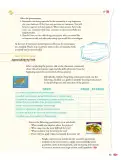
  1. Find out which of these phenomena are local or regional, and how they have affected your community.

  2. Look for research and scientific publications that use climate models and statistical tools to analyze the uncertainty and chance in the occurrence of extreme climate events.

  3. With the help of an adult member of your family, interview experts on climate and meteorology, risk, and disaster management specialists, or community leaders that are experienced in prevention and response to extreme weather events.

By integrating these specific activities into the project, you will find relevant and reliable information to support your research, hypothesis, and conclusions. It will also allow you to develop essential abilities in information management in a real-life setting.

To learn more about probability, you can look at the following information sources:

  • The book Colección Sk'asolil, Saberes y pensamiento científico. Segundo grado.
  • Books from other Formative Fields.
  • The Classroom Library, the School Library and a public library, or other sources of information available to you.

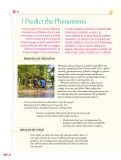
Find and Learn

It's essential that you keep a record of all the information you find related to climate change.

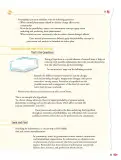
  1. In community, continue the research you conducted in "Seek and Find," gather historic data and analyze patterns and trends using the probability and statistic concepts.

  2. Compare the data you gathered and identify similarities and differences in how communities have responded and adapted to these phenomena.

  3. Research the strategies, adaptation efforts and mitigation actions implemented in your community, region, or country. Evaluate the effectiveness of these strategies and propose additional measures to address the challenges posed by climate change and extreme daily events.

  4. Conduct interviews with professionals and community members to get valuable information on this matter. Go over such information and relate it to the probability and uncertainty involved in daily events.

Glosario (4)

Climate models
Representaciones matemáticas del sistema climático usadas para simular y predecir condiciones futuras.
Uncertainty
Grado de duda sobre la ocurrencia o magnitud de un evento.
Mitigation
Acciones para reducir las causas del cambio climático, como disminuir emisiones.
Adaptation
Medidas para ajustarse a los efectos actuales o esperados del cambio climático.

Preguntas para practicar

¿Cómo afectan los fenómenos climáticos extremos a tu comunidad?

Afectan la agricultura, el suministro de agua y la infraestructura, generando pérdidas económicas y riesgos para la salud.

¿Qué estrategias de adaptación consideras más efectivas?

La reforestación, la captación de agua de lluvia y los sistemas de alerta temprana son efectivos porque reducen el impacto y preparan a la comunidad.

Temas y conceptos clave

Cambio climáticoProbabilidad y estadísticaInvestigación comunitariaFenómenos locales y regionalesModelos climáticosIncertidumbreAdaptaciónMitigación

Fuentes y referencias

  • Colección Sk'asolil, Saberes y pensamiento científico. Segundo grado.
  • Biblioteca de Aula
  • Biblioteca Escolar
  • Biblioteca pública
¿Te fue útil esta página?

Figuras de la página (1)

Círculo beige con esquina superior derecha levantada, similar a una pegatina.
Figura 1 image

Preguntas que la gente también hace

¿Cómo se analiza la incertidumbre en eventos climáticos extremos?
Consulta la solución completa arriba o explora el libro entero para temas relacionados.
¿Qué estrategias de adaptación al cambio climático existen en México?
Consulta la solución completa arriba o explora el libro entero para temas relacionados.
¿Cómo se relaciona la probabilidad con el cambio climático?
Consulta la solución completa arriba o explora el libro entero para temas relacionados.
📌 Antes de leer esto
  • • Conceptos básicos de probabilidad
  • • Interpretación de gráficas y tablas
  • • Conocimiento general sobre el clima
Siguiente tema sugerido
Análisis de datos climáticos con herramientas estadísticas
📝 Transcripción de la página (texto seleccionable) 2011 caracteres
  1. Find out which of these phenomena are local or regional, and how they have affected your community.

  2. Look for research and scientific publications that use climate models and statistical tools to analyze the uncertainty and chance in the occurrence of extreme climate events.

4With the help of an adult member of your family, interview experts on climate and meteorology, risk, and disaster management specialists, or community leaders that are experienced in prevention and response to extreme weather events.

By integrating these specific activities into the project, you will find relevant and reliable information to support your research, hypothesis,and conclusions. It will also allow you to develop essential abilities in information management in a real-life setting.

To learn more about probability, you can look at the following information sources:

The book Colección Sk'asolil, Saberes y pensamiento cientifico. Segundo grado.ciBooks from other Formative Fields.

The Classroom Library, the School Library and a public library, or other sources of information available to you.

Find and Learn

It's essential that you keep a record of all the information you find related to climate change.

  1. In community, continue the research you conducted in "Seek and Find," gather historic data and analyze patterns

  2. Compare the data you gathered and identify similarities and differences in how communities have responded and adapted to these phenomena.

  3. Research the strategies, adaptation efforts and mitigation actions implemented in your community, region, or country.Evaluate the effectiveness of these strategies and propose additional measures to address the challenges posed by climate change and extreme daily events.

4Conduct interviews with professionals and community members to get valuable information on this matter. Go over such information and relate it to the probability and uncertainty involved in daily events.

1

122

![](page=0,bbox=[66, 1063, 354, 1348])

87

乐

Ad

Otros libros recomendados

Ver todos →
Ad

Usamos cookies propias y de terceros para personalizar contenido, mostrar publicidad y analizar el tráfico. Las cookies necesarias siempre están activas.