

















Future Tenses: Will vs. Going to
Respuesta rápida
Will: decisiones inmediatas, predicciones sin evidencia, hechos futuros. Going to: planes previos, predicciones con evidencia, eventos inminentes.
Solución — Página 100
Uérakua anapu uantakua. Projects and Readings. Libro de Educación Secundaria Grado 3° Ciclo Escolar 2025 - 2026
Grammar: Will vs. Going to
Enunciado: Individually, but considering everyone else, pay attention to grammar: We use will and going to to talk about future events.
Tabla comparativa
| Will | Going to |
|---|---|
| Expresa acciones futuras decididas en el momento de hablar (decisiones inmediatas). Ejemplo: I will have the salad and fish. | Expresa planes futuros decididos antes del momento de hablar (planes previos). Ejemplo: I am going to visit my aunt on Friday. |
| Expresa una predicción basada en lo que la gente espera que ocurra (predicción sin evidencia). Ejemplo: I think Barcelona will win the game. | Expresa una predicción basada en evidencia presente (predicción con evidencia). Ejemplo: Look at those black clouds! It is going to rain. |
| Expresa un hecho futuro. Ejemplo: The sun will rise tomorrow. | Expresa algo que está a punto de ocurrir. Ejemplo: The concert is going to start any minute now. |
Nota: Both will and going to can be used to make predictions about the future without having a real difference in meaning.
Speaking
Enunciado: In communities, make some predictions about the future using will and going to based on the information you previously gathered about blood and blood donation. Propose new ideas about donation and ways of helping the people who need it!
Respuesta orientativa:
- Prediction with evidence (going to): Blood donation campaigns are going to increase in our community because more young people are learning about the need for blood.
- Immediate decision (will): I will donate blood next year when I turn 18.
- Prior plan (going to): I am going to organize a blood donation drive at my school next semester.
- Prediction without evidence (will): I think our community will help more people in need through blood donation.
- Future fact (will): The hospital will need more blood donors in the future.
New ideas to help:
- Create a social media campaign to inform people about blood donation.
- Organize a blood donation event at school with the Red Cross.
- Design posters and infographics about the importance of donating blood.
Respuesta: Se usan will para decisiones inmediatas, predicciones sin evidencia y hechos futuros; going to para planes previos, predicciones con evidencia y eventos inminentes.
Contenido de la página
Grammar
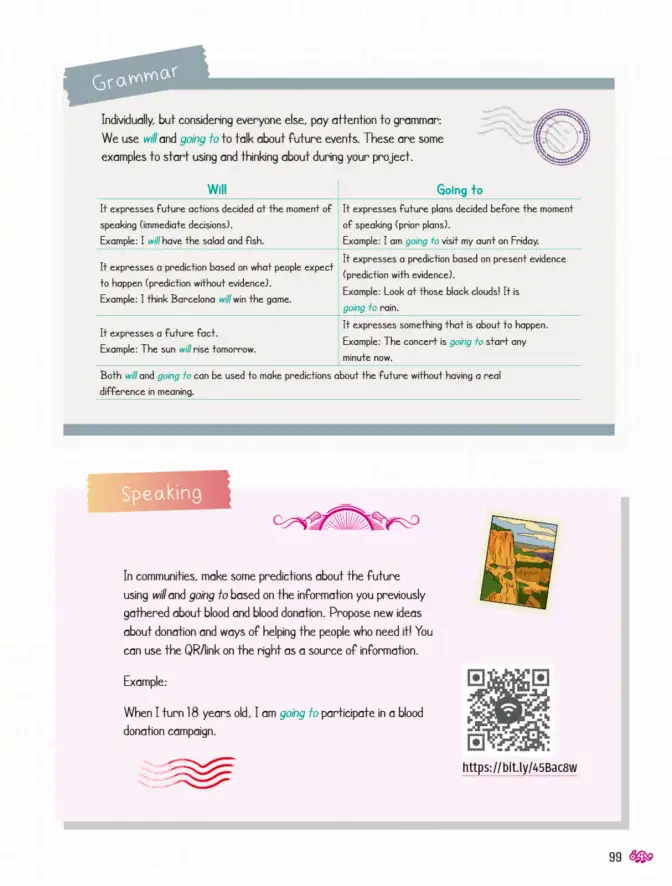
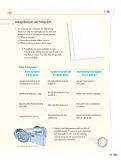
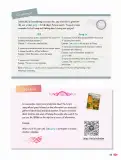
Individually, but considering everyone else, pay attention to grammar: We use will and going to to talk about future events. These are some examples to start using and thinking about during your project.
| Will | Going to |
|---|---|
| It expresses future actions decided at the moment of speaking (immediate decisions). Example: I will have the salad and fish. | It expresses future plans decided before the moment of speaking (prior plans). Example: I am going to visit my aunt on Friday. |
| It expresses a prediction based on what people expect to happen (prediction without evidence). Example: I think Barcelona will win the game. | It expresses a prediction based on present evidence (prediction with evidence). Example: Look at those black clouds! It is going to rain. |
| It expresses a future fact. Example: The sun will rise tomorrow. | It expresses something that is about to happen. Example: The concert is going to start any minute now. |
Both will and going to can be used to make predictions about the future without having a real difference in meaning.
Speaking
In communities, make some predictions about the future using will and going to based on the information you previously gathered about blood and blood donation. Propose new ideas about donation and ways of helping the people who need it! You can use the QR/link on the right as a source of information.
Example:
When I turn 18 years old, I am going to participate in a blood donation campaign.
Ejemplos resueltos
I will have the salad and fish.
Decisión inmediata tomada en el momento de hablar.
I am going to visit my aunt on Friday.
Plan previo decidido antes del momento de hablar.
I think Barcelona will win the game.
Predicción sin evidencia.
Look at those black clouds! It is going to rain.
Predicción con evidencia presente.
The sun will rise tomorrow.
Hecho futuro.
The concert is going to start any minute now.
Evento inminente.
Tabla
| Will | Going to |
|---|---|
| It expresses future actions decided at the moment of speaking (immediate decisions). Example: I will have the salad and fish. | It expresses future plans decided before the moment of speaking (prior plans). Example: I am going to visit my aunt on Friday. |
| It expresses a prediction based on what people expect to happen (prediction without evidence). Example: I think Barcelona will win the game. | It expresses a prediction based on present evidence (prediction with evidence). Example: Look at those black clouds! It is going to rain. |
| It expresses a future fact. Example: The sun will rise tomorrow. | It expresses something that is about to happen. Example: The concert is going to start any minute now. |
Glosario (4)
- Will
- Verbo modal usado para decisiones inmediatas, predicciones sin evidencia y hechos futuros.
- Going to
- Estructura usada para planes previos, predicciones con evidencia y eventos inminentes.
- Blood donation
- Donación de sangre.
- Campaign
- Campaña.
Preguntas para practicar
What predictions can you make about blood donation in your community?
Blood donation campaigns are going to increase because more people are aware of the need. I will participate when I turn 18.
Temas y conceptos clave
Fuentes y referencias
- https://bit.ly/45Bac8w
Figuras de la página (5)



Preguntas que la gente también hace
¿Cuándo se usa will y cuándo going to?
¿Cuál es la diferencia entre will y going to para predicciones?
¿Cómo hacer predicciones sobre el futuro en inglés?
- • Presente simple
- • Verbo to be
- • Vocabulario básico de salud
📝 Transcripción de la página (texto seleccionable) 1830 caracteres
Grammar
Individually, but considering everyone else, pay attention to grammar:We use willand going to to talk about future events. These are some examples to start using and thinking about during your project.
Both willand going to can be used to make predictions about the future without having a real difference in meaning.
Speaking
In communities, make some predictions about the future using willand going to based on the information you previously gathered about blood and blood donation. Propose new ideas about donation and ways of helping the people who need it! You can use the QR/link on the right as a source of information.
Example:
When I turn 18 years old, I am going to participate in a blood donation campaign.

| Will | Going to |
| It expresses future actions decided at the moment of speaking (immediate decisions). Example: I will have the salad and fish. | It expresses future plans decided before the moment of speaking (prior plans). Example: I am going to visit my aunt on Friday. |
| It expresses a prediction based on what people expect to happen (prediction without evidence). Example: I think Barcelona will win the game. | It expresses a prediction based on present evidence (prediction with evidence). Example: Look at those black clouds! It is going to rain. |
| It expresses a future fact. Example: The sun willrise tomorrow. | It expresses something that is about to happen. Example: The concent is going to stant any minute now. |


99
乐
Otros libros recomendados
Uérakua anapu uantakua. Projects and Readings. Libro de Educación Telesecundaria Grado 3° Ciclo Escolar 2025 - 2026
SEP/CONALITEG
187 págs.
Uérakua anapu uantakua. Projects and Readings. Libro de Educación Telesecundaria Grado 2° Ciclo Escolar 2025 - 2026
SEP/CONALITEG
171 págs.
Uérakua anapu uantakua. Projects and Readings. Libro de Educación Telesecundaria Grado 1° Ciclo Escolar 2025 - 2026
SEP/CONALITEG
187 págs.
Uérakua anapu uantakua. Projects and Readings. Libro de Educación Secundaria Grado 2° Ciclo Escolar 2025 - 2026
SEP/CONALITEG
171 págs.
Uérakua anapu uantakua. Projects and Readings Libro de Educación Secundaria Grado 1° Ciclo Escolar 2025 - 2026
SEP/CONALITEG
187 págs.
Colección Ximhai. Múltiples lenguajes. Libro de Educación Secundaria Grado 1° Ciclo Escolar 2025 - 2026
SEP/CONALITEG
163 págs.
Matematica 9° · Secundaria Activa
MinEducación
218 págs.
Ciencias Naturales 9° · Secundaria Activa
MinEducación
318 págs.