








Saltar al contenido
MisLibrosTexto
Ad

Appreciating My Path: reflexión sobre la paz y la Segunda Guerra Mundial

📄 ejercicios ingles 🎓 bachillerato · 3° Secundaria México 🇲🇽 MX 🗣 Español
Página 138
138 de 187
Página 138 de Uérakua anapu uantakua. Projects and Readings.  Libro de Educación Secundaria Grado 3°  Ciclo Escolar 2025 - 2026
Anterior Página 138 / 187 Siguiente

Respuesta rápida

4.a) Diálogo y mediación. 4.b) Educación y tolerancia. 4.c) Redes de apoyo. 1.a) Población civil. 1.b) Sí, nacionalismo y desigualdad. 1.c) Garantiza dignidad y desarrollo. 1.d) Sí, desde familia, escuela y comunidad. 2) Compartir eventos históricos. 3) Círculos de lectura, teatro y murales. 4) Acuerdos de convivencia pacífica.

📚 exercise ingles ⭐⭐ Dificultad 2/5 ⏱ 8 min lectura

Solución — Página 138

Uérakua anapu uantakua. Projects and Readings. Libro de Educación Secundaria Grado 3° Ciclo Escolar 2025 - 2026

4
Ejercicio 4

(mesa redonda)

After presenting your newscast, organize a round table to discuss community conflict and peace.

a
Parte 4.a
  1. Se pregunta si la comunidad enfrentó un conflicto que dañó o cambió sus vidas.
  2. Se pide explicar cómo lo resolvieron y qué aprendieron.

Respuesta orientativa: Sí, muchas comunidades han vivido conflictos por tierras, recursos o diferencias políticas. Se resuelven con diálogo, mediación y acuerdos; la lección es que la violencia no resuelve nada y que la escucha activa previene daños mayores.

b
Parte 4.b
  1. Se pregunta qué puede hacerse para promover la paz y la no violencia.

Respuesta orientativa: Promover educación para la paz, denunciar la violencia, practicar la tolerancia, resolver disputas con mediación y participar en campañas escolares y comunitarias de convivencia sana.

c
Parte 4.c
  1. Se pregunta qué acciones comunitarias pueden apoyar a grupos o personas en situación de conflicto.

Respuesta orientativa: Crear redes de apoyo, refugios temporales, colectas de alimentos, acompañamiento psicológico y jurídico, y espacios de escucha donde las víctimas puedan expresarse sin ser juzgadas.

1
Ejercicio 1

(Appreciating My Path)

Individually, write a page about what you learned, then read it in assembly and reflect.

a
Parte 1.a
  1. Se pregunta quiénes son los más afectados por los conflictos armados.

Respuesta orientativa: Los más afectados son la población civil: niños, mujeres, ancianos y personas desplazadas, porque pierden hogar, familia, escuela y seguridad, y sufren hambre, enfermedades y trauma psicológico.

b
Parte 1.b
  1. Se pregunta si siguen vigentes las creencias y procesos que provocaron la Segunda Guerra Mundial.

Respuesta orientativa: Sí, persisten el nacionalismo extremo, la discriminación, la desigualdad económica y la carrera armamentista. Estos problemas generan tensiones, migraciones forzadas y conflictos regionales que amenazan la paz mundial.

c
Parte 1.c
  1. Se pregunta por la importancia de crear sociedades pacíficas que respeten los derechos humanos.

Respuesta orientativa: Es fundamental porque garantiza la dignidad, la libertad y la seguridad de todas las personas; sin paz no hay desarrollo, educación ni bienestar, y se perpetúan la violencia y la injusticia.

d
Parte 1.d
  1. Se pregunta si esas sociedades pueden crearse desde la escuela, la comunidad o la familia.

Respuesta orientativa: Sí, se construyen desde la familia con valores de respeto, en la escuela con educación en derechos humanos y en la comunidad con participación ciudadana y proyectos de convivencia pacífica.

2
Ejercicio 2

(asamblea)

In assembly, discuss other historical events you would like to share with the school community.

Respuesta orientativa: Se pueden compartir la Revolución Mexicana, la Guerra Civil Española, el apartheid en Sudáfrica o los conflictos actuales. Reflexionar sobre ellos ayuda a entender sus consecuencias presentes y a construir sociedades más justas y respetuosas de los derechos humanos.

Ad
3
Ejercicio 3

(acuerdos de cultura de paz)

Reach agreements to spread a culture of peace and mutual understanding.

a
Parte 3.a
  1. Se propone organizar círculos de lectura sobre paz, no violencia y convivencia sana.

Respuesta orientativa: Los círculos de lectura permiten analizar historias, poemas y manifiestos que fomentan empatía y pensamiento crítico sobre la paz.

b
Parte 3.b
  1. Se propone teatro popular y representaciones sobre la construcción de paz.

Respuesta orientativa: El teatro popular acerca el mensaje de paz a toda la comunidad mediante representaciones que muestran conflictos y sus soluciones no violentas.

c
Parte 3.c
  1. Se propone realizar murales en las calles para expresar opinión sobre violencia y guerras.

Respuesta orientativa: Los murales son una forma visual y participativa de denunciar la violencia y promover un mensaje colectivo de paz.

4
Ejercicio 4

(acuerdos finales)

Finally, write in your notebooks the assembly agreements reached by the community.

Respuesta orientativa: Los acuerdos deben incluir compromisos concretos: respetar las diferencias, resolver conflictos con diálogo, participar en actividades de paz y difundir los derechos humanos en la escuela y la comunidad.

Contenido de la página

4. After presenting your newscast, it is time to dialogue with the community. To do this, organize a round table in which you can talk about questions such as:

a) Has the community ever faced a conflict that harmed or changed their lives? How did they solve it? What did they learn from it?

b) What can be done to promote peace and non-violence?

c) What actions can be taken as a community to support groups or people in conflict situations?

Appreciating My Path

Now that the newscast is over and the Second World War is over too, look at your progress.

  1. Individually, write a page based on what you learned in this project. Then, read it in assembly and reflect together on the following:

a) Who are the most affected by armed conflicts, and why?

b) Are beliefs and processes that triggered the Second World War still in force? If so, what problems persist?

c) What is the importance of creating peaceful societies that respect the rights of all human beings?

d) Can such societies be created from the school, the community, or the family? How?

  1. In assembly, discuss what other historical events you would like to share with the school community. Past events often have consequences in the present, and it is very important to reflect on them to build more peaceful societies that respect human rights.

  2. Reach agreements to spread the importance of a culture of peace and mutual understanding. Some strategies could be:

a) Reading circles based on stories, poems, novels, manifestos, or other texts in which the central theme is peace, non-violence, and healthy coexistence.

b) Popular theater and performances with representations whose central theme is the construction of peace, and that promote a healthy coexistence.

c) Murals in the streets to express your opinion about violence and wars.

  1. Finally, write in your notebooks the assembly agreements reached by the community to move towards a more peaceful world and avoid armed conflicts.

Glosario (6)

newscast
noticiero o programa de noticias
round table
mesa redonda, discusión grupal
armed conflicts
conflictos armados
peaceful societies
sociedades pacíficas
healthy coexistence
convivencia sana
assembly
asamblea, reunión de toda la comunidad

Preguntas para practicar

¿Quiénes son los más afectados por los conflictos armados?

La población civil, especialmente niños, mujeres y ancianos, porque pierden hogar, familia y seguridad.

¿Siguen vigentes las causas de la Segunda Guerra Mundial?

Sí, el nacionalismo extremo, la discriminación y la desigualdad económica persisten y generan tensiones.

¿Cómo construir sociedades pacíficas desde la escuela?

Con educación en derechos humanos, mediación escolar y proyectos de convivencia sana.

Temas y conceptos clave

Mesa redonda comunitariaReflexión sobre la Segunda Guerra MundialCultura de pazDerechos humanosAcuerdos comunitariosConflicto armadoPazNo violenciaConvivencia sanaDerechos humanosAsamblea
¿Te fue útil esta página?

Figuras de la página (2)

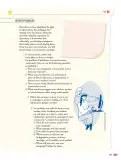
Recuadro blanco con borde curvo, probablemente para escribir.
Figura 1 image
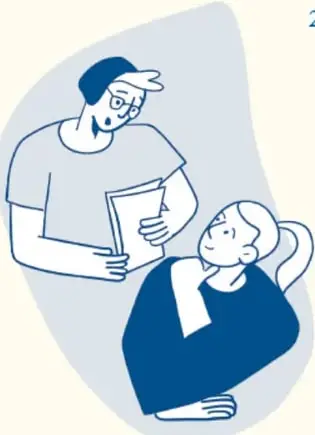
Ilustración de un adulto leyendo un libro a una niña sentada.
Figura 2 image

Preguntas que la gente también hace

¿Cómo promover la paz y la no violencia en la comunidad?
Consulta la solución completa arriba o explora el libro entero para temas relacionados.
¿Quiénes son los más afectados por los conflictos armados?
Consulta la solución completa arriba o explora el libro entero para temas relacionados.
¿Qué acciones puede tomar la escuela para construir sociedades pacíficas?
Consulta la solución completa arriba o explora el libro entero para temas relacionados.
📌 Antes de leer esto
  • • Conocimientos básicos sobre la Segunda Guerra Mundial
  • • Vocabulario en inglés sobre conflictos y paz
  • • Habilidades de expresión oral y escrita
Siguiente tema sugerido
Evaluación final del proyecto y presentación de acuerdos comunitarios
📝 Transcripción de la página (texto seleccionable) 2040 caracteres

災

  1. After presenting your newscast, it is time to dialogue with the community. To do this, organize a round table in which you can talk about questions such as:

a) Has the community ever faced a conflict that harmed or changed their lives? How did they solve it? What did they learn from it?

b) What can be done to promote peace and non-violence?

c) What actions can be taken as a community to support groups or people in conflict situations?

Appreciating My Path

Now that the newscast is over and the Second World War is over too, look at your progress.

  1. Individually, write a page based on what you learned in this project.Then, read it in assembly and reflect together on the following:

a) Who are the most affected by armed conflicts, and why?

b) Are beliefs and processes that triggered the Second World War still in force? If so, what problems persist?

c) What is the importance of creating peaceful societies that respect the rights of all human beings?

d) Can such societies be created from the school, the community,or the family? How?

like to share with the school community. Past events often have consequences in the present, and it is very important to reflect on them to build more peaceful societies that respect human rights.

  1. Reach agreements to spread the importance of a culture of peace and mutual understanding. Some strategies could be:a) Reading circles based on stories, poems, novels, manifestos,or other texts in which the central theme is peace,non-violence, and healthy coexistence.

b) Popular theater and performances with representations whose central theme is the construction of peace, and that promote a healthy coexistence.

c) Murals in the streets to express your opinion about violence and wars.

  1. Finally, write in your notebooks the assembly agreements reached by the community to move towards a more peaceful world and avoid armed conflicts. &

![](page=0,bbox=[751, 266, 1038, 562])

![](page=0,bbox=[133, 901, 448, 1336])

lara Wanda Gjinovich, ESTAoo DE WExIco

191

137

Ad

Otros libros recomendados

Ver todos →
Ad

Usamos cookies propias y de terceros para personalizar contenido, mostrar publicidad y analizar el tráfico. Las cookies necesarias siempre están activas.