













Saltar al contenido
MisLibrosTexto
Ad

Seek and Find / Find and Learn: investigación y experimentos sobre reacciones químicas

📄 ejercicios quimica 🎓 bachillerato · 3° Secundaria México 🇲🇽 MX 🗣 Español
Página 158
158 de 187
Página 158 de Uérakua anapu uantakua. Projects and Readings.  Libro de Educación Secundaria Grado 3°  Ciclo Escolar 2025 - 2026
Anterior Página 158 / 187 Siguiente

Respuesta rápida

1.a) Las sustancias y reacciones químicas son clave para la salud y su prevención. 1.b) Tienen beneficios industriales y ambientales, pero pueden contaminar. 2) Reunir materiales, etiquetar y experimentar con seguridad.

📚 exercise quimica ⭐⭐ Dificultad 2/5 ⏱ 6 min lectura

Solución — Página 158

Uérakua anapu uantakua. Projects and Readings. Libro de Educación Secundaria Grado 3° Ciclo Escolar 2025 - 2026

1
Ejercicio 1

Seek and Find

Enunciado: recuerda que al investigar necesitas orden y un plan para consultar fuentes de información y lograr tus objetivos.

  1. Se debe planificar la investigación definiendo preguntas, objetivos y un cronograma.
  2. Se recomienda usar fichas de trabajo (fact sheets) para registrar datos, fuente y fecha.
  3. Fuentes sugeridas: libro Colección Nanahuatzin. Saberes y pensamiento científico. Tercer grado, Biblioteca de Aula, Biblioteca Escolar, biblioteca pública, revistas de divulgación científica, periódicos de circulación nacional, sitios web de universidades y organizaciones confiables, y consulta a técnicos y profesionales locales.

Respuesta orientativa: una investigación química escolar debe partir de preguntas claras, usar al menos tres fuentes confiables y registrar la información en fichas que permitan citar el origen de los datos.

Find and Learn

Enunciado: a lo largo del proyecto has recopilado información sobre reacciones químicas, cómo reconocerlas y sus efectos en la salud y el ambiente. Realiza las siguientes actividades.

a
Parte 1.a
  1. Las sustancias químicas están presentes en alimentos, medicamentos, productos de limpieza y materiales cotidianos.
  2. Muchas reacciones químicas permiten funciones vitales, como la digestión o la respiración celular.
  3. Identificar sustancias peligrosas y reacciones no controladas ayuda a prevenir intoxicaciones, quemaduras y enfermedades respiratorias.
  4. La prevención incluye leer etiquetas, ventilar espacios, no mezclar productos de limpieza y seguir indicaciones médicas.

Respuesta orientativa: las sustancias y reacciones químicas son importantes para la salud porque participan en procesos vitales y en la elaboración de medicamentos; sin embargo, su manejo inadecuado puede causar daños, por lo que prevenimos problemas de salud con información, etiquetado y uso responsable.

b
Parte 1.b
  1. Las reacciones químicas naturales mantienen ciclos como el del carbono y el nitrógeno.
  2. En la industria permiten fabricar fertilizantes, medicamentos, plásticos y combustibles.
  3. También pueden generar contaminantes, residuos tóxicos, lluvia ácida o gases de efecto invernadero.
  4. El impacto depende de la escala, el control de residuos y la tecnología empleada.

Respuesta orientativa: los beneficios de las reacciones químicas incluyen la producción de alimentos, medicinas y materiales; su impacto ambiental puede ser negativo si generan contaminantes, por lo que se requiere un manejo responsable y tecnologías limpias.
2
Ejercicio 2
  1. Reunirse en asamblea con el docente para organizar equipos y roles.
  2. Conseguir los materiales de la lista por aula.
  3. Etiquetar frascos y sustancias con el marcador permanente.
  4. Realizar los experimentos siguiendo normas de seguridad: bata, guantes y gafas.
  5. Registrar observaciones y conclusiones sobre la naturaleza química de las sustancias.

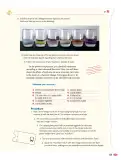
Respuesta orientativa: la actividad experimental permite comprobar propiedades como acidez, basicidad y cambios de color mediante indicadores naturales, y exige organización, etiquetado y medidas de seguridad.

Materials (per classroom)

Material Material
A tablespoon of baking soda 100 ml of drinking water
A tablespoon of salt A knife
4 tablets of acetylsalicylic acid A camera, if it is possible
A tablespoon of white soap powder 20 clear cups
20 ml of antacid (aluminum or magnesium hydroxide) A tablespoon
20 ml of alcohol A baby bottle
20 ml of white vinegar A strainer
20 ml of milk 2 empty flasks or bottles
The juice of 4 lemons 10 ml or 20 ml syringes
20 ml of white liquid neutral soap A 250 ml beaker
100 g of hibiscus flower (divided into four equal parts) A tripod, asbestos fabric, Bunsen lighter, or alcohol lamp
4 leaves of purple cabbage 2 bottles, flasks or droppers
Labels
A permanent marker

Contenido de la página

Seek and Find

Remember that when you investigate, you need order and a plan to consult sources of information to achieve your proposed objectives. Think about how you will collect the necessary information to answer your investigation questions. Consider using fact sheets.

Investigating includes looking up for information in the following sources: book Colección Nanahuatzin. Saberes y pensamiento científico. Tercer grado, the Classroom Library, School Library, and public library; scientific dissemination magazines; newspapers of national circulation; websites of universities and reliable organizations; and even approaching local technicians and professionals.

Find and Learn

Throughout this project, you have collected information about chemical reactions, how to recognize them, and their effects on health and the environment. To observe in the classroom the chemical nature and chemical reactions of some substances, do the following activities:

  1. Individually, without forgetting that you are part of a community, write a few ideas about the following points in your notebook: a) The importance of substances and chemical reactions for health and preventing the population's health problems. b) The benefits and impact of chemical reactions on the environment.
  2. In assembly, and with the help of your teacher, get the materials you will need to do the following experiments to prove the nature of chemical substances.

Materials (per classroom)

A tablespoon of baking soda 100 ml of drinking water
A tablespoon of salt A knife
4 tablets of acetylsalicylic acid A camera, if it is possible
A tablespoon of white soap powder 20 clear cups
20 ml of antacid (aluminum or magnesium hydroxide) A tablespoon
20 ml of alcohol A baby bottle
20 ml of white vinegar A strainer
20 ml of milk 2 empty flasks or bottles
The juice of 4 lemons 10 ml or 20 ml syringes
20 ml of white liquid neutral soap A 250 ml beaker
100 g of hibiscus flower (divided into four equal parts) A tripod, asbestos fabric, Bunsen lighter, or alcohol lamp
4 leaves of purple cabbage 2 bottles, flasks or droppers
Labels
A permanent marker

Tabla

Material Material
A tablespoon of baking soda 100 ml of drinking water
A tablespoon of salt A knife
4 tablets of acetylsalicylic acid A camera, if it is possible
A tablespoon of white soap powder 20 clear cups
20 ml of antacid (aluminum or magnesium hydroxide) A tablespoon
20 ml of alcohol A baby bottle
20 ml of white vinegar A strainer
20 ml of milk 2 empty flasks or bottles
The juice of 4 lemons 10 ml or 20 ml syringes
20 ml of white liquid neutral soap A 250 ml beaker
100 g of hibiscus flower (divided into four equal parts) A tripod, asbestos fabric, Bunsen lighter, or alcohol lamp
4 leaves of purple cabbage 2 bottles, flasks or droppers
Labels
A permanent marker

Glosario (4)

Fact sheet
Ficha de trabajo donde se registran datos, fuente y fecha de una investigación.
Chemical reaction
Proceso en el que una o más sustancias se transforman en otras con propiedades diferentes.
Antacid
Sustancia que neutraliza la acidez estomacal; puede contener hidróxido de aluminio o magnesio.
Indicator
Sustancia natural o artificial que cambia de color según el pH del medio.

Preguntas para practicar

¿Por qué es importante usar fuentes confiables al investigar química?

Porque permiten obtener información verificada, actualizada y con respaldo científico, evitando mitos o datos falsos que podrían llevar a conclusiones erróneas o prácticas peligrosas.

¿Qué normas de seguridad deben seguirse al manipular las sustancias de la lista?

Usar bata, guantes y gafas; no probar ni oler directamente las sustancias; etiquetar todos los frascos; trabajar en un espacio ventilado y seguir las indicaciones del docente.

Temas y conceptos clave

Investigación documentalSustancias químicas y saludReacciones químicas y ambienteMateriales de laboratorioFuentes confiablesFichas de trabajoReacción químicaPrevención de riesgosImpacto ambiental

Fuentes y referencias

  • Colección Nanahuatzin. Saberes y pensamiento científico. Tercer grado
  • Biblioteca de Aula
  • Biblioteca Escolar
  • Biblioteca pública
  • Revistas de divulgación científica
  • Periódicos de circulación nacional
  • Sitios web de universidades y organizaciones confiables
¿Te fue útil esta página?

Figuras de la página (2)

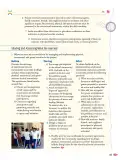
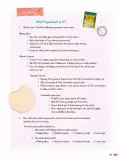
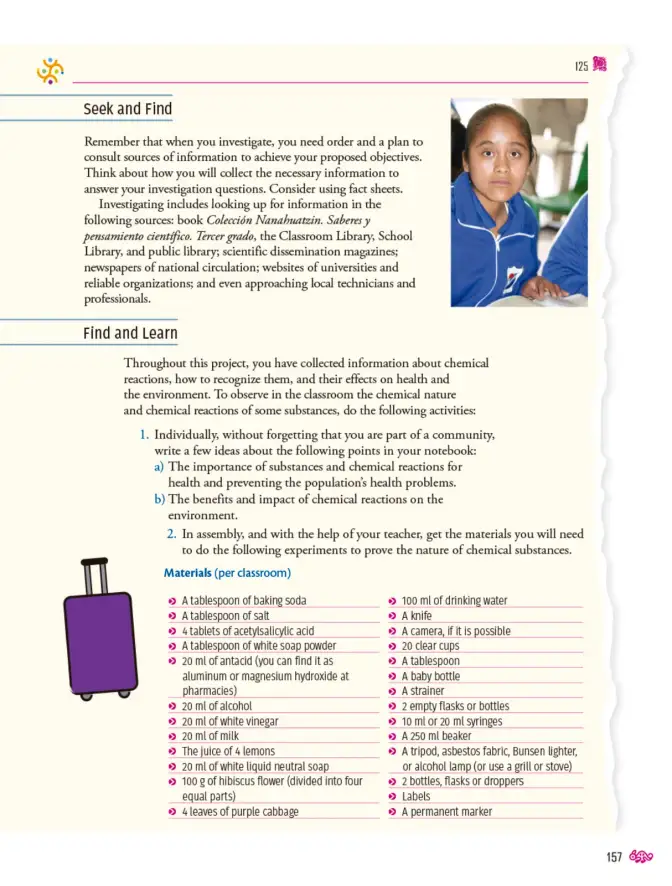
Fotografía de una estudiante con uniforme azul en un salón de clases.
Figura 1 image
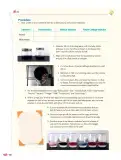
Ilustración de una maleta morada con ruedas y asa.
Figura 2 image

Preguntas que la gente también hace

¿Cómo afectan las reacciones químicas a la salud y al ambiente?
Consulta la solución completa arriba o explora el libro entero para temas relacionados.
¿Qué materiales se necesitan para experimentar con sustancias químicas en el aula?
Consulta la solución completa arriba o explora el libro entero para temas relacionados.
¿Qué fuentes confiables puedo consultar para investigar química?
Consulta la solución completa arriba o explora el libro entero para temas relacionados.
📌 Antes de leer esto
  • • Concepto de materia y sus propiedades
  • • Cambios físicos y químicos
  • • Normas básicas de seguridad en el laboratorio
Siguiente tema sugerido
Experimentos para identificar ácidos y bases con indicadores naturales
📝 Transcripción de la página (texto seleccionable) 2781 caracteres

Seek and Find

Remember that when you investigate, you need order and a plan to consult sources of information to achieve your proposed objectives.Think about how you will collect the necessary information to answer your investigation questions. Consider using fact sheets.

Investigating includes looking up for information in the following sources: book Colección Nanahuatzin. Saberes y pensamiento cientifico. Tercer grado, the Classroom Library, School Library, and public library; scientific dissemination magazines;newspapers of national circulation; websites of universities and reliable organizations; and even approaching local technicians and professionals.

Find and Learn

Throughout this project, you have collected information about chemical reactions, how to recognize them, and their effects on health and the environment. To observe in the classroom the chemical nature and chemical reactions of some substances, do the following activities:

  1. Individually, without forgetting that you are part of a community,write a few ideas about the following points in your notebook:a) The importance of substances and chemical reactions for health and preventing the population's health problems.

b) The benefits and impact of chemical reactions on the environment.

  1. In assembly, and with the help of your teacher, get the materials you will need to do the following experiments to prove the nature of chemical substances.

Materials (per classroom)

125

![](page=0,bbox=[812, 176, 1061, 552])

![](page=0,bbox=[113, 1002, 250, 1264])

Atablespoon of baking soda100 ml of drinking water
Atablespoon of salt A knife
4 tablets of acetylsalicylic acidA camera, if it is possible
A tablespoon of white soap powder20 clear cups
20 ml of antacid (you can find it as aluminum or magnesium hydroxide atAtablespoon
A baby bottle
A strainer
pharmacies) 20 ml of alcohol
2 empty flasks or bottles
20 ml of white vinegar
20 ml of milk10 ml or 20 ml syringes A 250 ml beaker
The juice of 4 lemonsA tripod, asbestos fabric, Bunsen lighter,
20 ml of white liquid neutral soap
or alcohol lamp (or use a grill or stove)
100 g of hibiscus flower (divided into four equal parts)2 bottles, flasks or droppers
Labels
4 leaves of purple cabbage A permanent marker

157

Ad

Otros libros recomendados

Ver todos →
Ad

Usamos cookies propias y de terceros para personalizar contenido, mostrar publicidad y analizar el tráfico. Las cookies necesarias siempre están activas.