Saltar al contenido
MisLibrosTexto
Ad

Daily Routine: Chemical Reactions in Everyday Life

📄 ejercicios quimica 🎓 bachillerato · 3° Secundaria México 🇲🇽 MX 🗣 Español
Página 156
156 de 187
Página 156 de Uérakua anapu uantakua. Projects and Readings.  Libro de Educación Secundaria Grado 3°  Ciclo Escolar 2025 - 2026
Anterior Página 156 / 187 Siguiente

Respuesta rápida

  1. Salud: café, hamburguesa/refresco, cigarrillos. Ambiente: conducir, fumar, luces/fogatas. 4) Antropogénicas: combustión, tabaco, fogata. 5a) Por evidencias: humo, calor, cenizas. 5b) Choques con energía de activación. 5c) Porque toda la materia se transforma.
📚 exercise quimica ⭐⭐ Dificultad 2/5 ⏱ 12 min lectura

Solución — Página 156

Uérakua anapu uantakua. Projects and Readings. Libro de Educación Secundaria Grado 3° Ciclo Escolar 2025 - 2026

1
Ejercicio 1

In community, read the text, underline relevant ideas and look up unknown words.

  1. Se lee el texto en grupo y se subrayan ideas clave: rutina diaria, café, ducha, champú, hamburguesa, refresco, cigarrillos, TV, luces, campamento y fogatas.
  2. Se buscan palabras desconocidas: robust coffee (café cargado), shampoo (champú), bonfires (fogatas), colleagues (colegas).
Respuesta

Texto leído y vocabulario aclarado.

2
Ejercicio 2

Find three activities that damage health and three that harm the environment.

  1. Se revisa cada actividad del texto.
  2. Se clasifican según su efecto en la salud o en el ambiente.
Respuesta
Dañan la salud Dañan el ambiente
Tomar café cargado en exceso Conducir 4 horas diarias (emisiones de \text{CO}_{2})
Comer hamburguesa doble y refresco Fumar cigarrillos (contaminación del aire)
Fumar cigarrillos Dejar luces y TV encendidas; fogatas
3
Ejercicio 3

Discuss why you chose those activities.

  1. Se argumenta con base en evidencia: el consumo excesivo de cafeína, grasas y azúcares, y el tabaquismo afectan la salud.
  2. La quema de combustibles, el humo del tabaco y las fogatas liberan \text{CO}_{2} y partículas que contaminan.

Respuesta orientativa: Se eligieron porque son hábitos frecuentes con efectos comprobados: el cigarro y la comida chatarra dañan el organismo, mientras que el transporte, el humo y las fogatas emiten gases de efecto invernadero.

Ad
4
Ejercicio 4

Determine if the activities are natural chemical reactions or produced by human beings.

  1. Se identifica el origen de cada proceso.
  2. Se distingue entre reacción natural (respiración, fotosíntesis) y antropogénica (combustión de gasolina, tabaco, fogata).
Respuesta

La mayoría son producidas por el ser humano: combustión de gasolina, cigarrillo y fogata. La respiración y la digestión son naturales.

5
Ejercicio 5

Answer the following questions.

a
Parte 5.a

How can you identify what chemical reactions happen in the examples you chose?

  1. Se observan cambios de color, olor, temperatura o formación de gases.
  2. Se comparan reactivos y productos.
Respuesta

Se identifican por evidencias como humo, calor, cenizas o nuevos olores; por ejemplo, al quemar gasolina se forma \text{CO}_{2} y \text{H}_{2}\text{O}.

b
Parte 5.b

What is the cause of chemical reactions?

  1. Se explica que ocurren por ruptura y formación de enlaces.
  2. Se relaciona con la energía de activación.
Respuesta

Ocurren cuando los reactivos chocan con energía suficiente para romper enlaces y formar nuevas sustancias.

c
Parte 5.c

Why do people say that chemistry is everywhere?

  1. Se reconocen procesos químicos en la vida diaria.
  2. Se mencionan ejemplos: cocinar, respirar, limpiar, medicamentos.

Where We Are Headed

Paso 1

Reflect on what you know about natural and human-made chemical reactions.

Respuesta orientativa: Las reacciones naturales como la fotosíntesis o la respiración ocurren sin intervención humana; las antropogénicas como la combustión o la fabricación de plásticos son provocadas por el ser humano.

Paso 2

Read the questions as a guide for your investigation.

Respuesta orientativa:

a) Una reacción química es un proceso en el que sustancias iniciales se transforman en otras nuevas.

b) Se necesita energía de activación y choques efectivos entre partículas.

c) Las funciones químicas son grupos de compuestos con propiedades similares: óxidos, ácidos, bases y sales.

d) Las sustancias se clasifican en elementos, compuestos y mezclas.

e) Existen reacciones de síntesis, descomposición, sustitución y doble sustitución.

f) Es importante para tomar decisiones informadas sobre salud, alimentación y ambiente.

g) Una dieta saludable debe incluir carbohidratos, proteínas, grasas, vitaminas, minerales y agua.

Respuesta

Porque toda la materia está formada por átomos y sus transformaciones ocurren en la cocina, el cuerpo, la naturaleza y la industria.

Contenido de la página

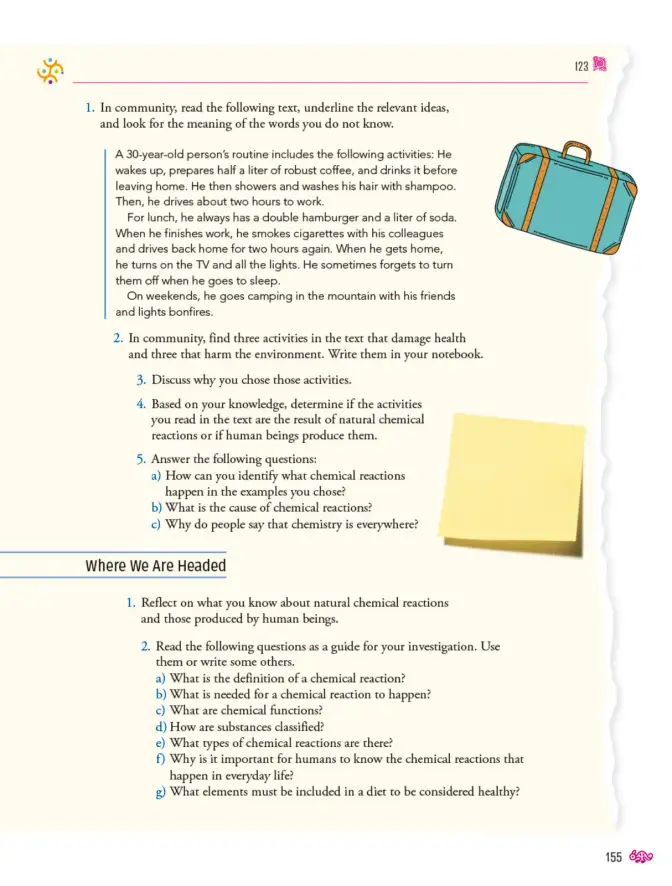
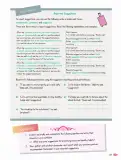
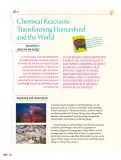
  1. In community, read the following text, underline the relevant ideas, and look for the meaning of the words you do not know.

A 30-year-old person's routine includes the following activities: He wakes up, prepares half a liter of robust coffee, and drinks it before leaving home. He then showers and washes his hair with shampoo. Then, he drives about two hours to work.

For lunch, he always has a double hamburger and a liter of soda. When he finishes work, he smokes cigarettes with his colleagues and drives back home for two hours again. When he gets home, he turns on the TV and all the lights. He sometimes forgets to turn them off when he goes to sleep.

On weekends, he goes camping in the mountain with his friends and lights bonfires.

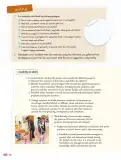
  1. In community, find three activities in the text that damage health and three that harm the environment. Write them in your notebook.

  2. Discuss why you chose those activities.

  3. Based on your knowledge, determine if the activities you read in the text are the result of natural chemical reactions or if human beings produce them.

  4. Answer the following questions:

a) How can you identify what chemical reactions happen in the examples you chose?

b) What is the cause of chemical reactions?

c) Why do people say that chemistry is everywhere?

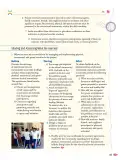
Where We Are Headed

  1. Reflect on what you know about natural chemical reactions and those produced by human beings.

  2. Read the following questions as a guide for your investigation. Use them or write some others.

a) What is the definition of a chemical reaction?

b) What is needed for a chemical reaction to happen?

c) What are chemical functions?

d) How are substances classified?

e) What types of chemical reactions are there?

f) Why is it important for humans to know the chemical reactions that happen in everyday life?

g) What elements must be included in a diet to be considered healthy?

Ejemplos resueltos

Clasifica la combustión de gasolina como natural o antropogénica.

La gasolina se quema en un motor creado por el ser humano; por tanto, es una reacción antropogénica que libera \text{CO}_{2} y \text{H}_{2}\text{O}.

Tabla

Dañan la salud Dañan el ambiente
Café cargado Conducir 4 horas
Hamburguesa y refresco Fumar cigarrillos
Cigarrillos Luces y TV encendidas; fogatas

Diagrama

mindmap
  root((Química en la vida diaria))
    Reacciones naturales
      Respiración
      Fotosíntesis
      Digestión
    Reacciones antropogénicas
      Combustión
      Tabaco
      Fogatas
    Consecuencias
      Salud
      Ambiente

Fórmulas y ecuaciones

\text{Combustión: } \text{C}@@MATH_0@@\text{H}@@MATH_1@@_{2} \rightarrow \text{CO}@@MATH_2@@_{2}\text{O}

\text{CH}@@MATH_0@@_{2} \rightarrow \text{CO}@@MATH_1@@_{2}\text{O}

Glosario (5)

robust coffee
café cargado o fuerte
shampoo
champú, producto para lavar el cabello
bonfires
fogatas o hogueras
colleagues
colegas o compañeros de trabajo
chemical reaction
proceso en el que unas sustancias se transforman en otras

Preguntas para practicar

Why do people say that chemistry is everywhere?

Porque toda la materia está formada por átomos y sus transformaciones ocurren en la cocina, el cuerpo, la naturaleza y la industria.

What elements must be included in a diet to be considered healthy?

Carbohidratos, proteínas, grasas saludables, vitaminas, minerales y agua en cantidades adecuadas.

Temas y conceptos clave

Rutina diaria y hábitosReacciones químicas naturales y antropogénicasQuímica en la vida cotidianaReacción químicaEnergía de activaciónFunción químicaClasificación de sustanciasDieta saludable
¿Te fue útil esta página?

Figuras de la página (2)

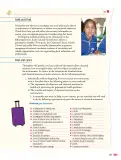
Maleta de viaje color turquesa con correas naranjas.
Figura 1 image
Nota adhesiva amarilla.
Figura 2 image

Preguntas que la gente también hace

¿Qué es una reacción química y cómo se identifica?
Consulta la solución completa arriba o explora el libro entero para temas relacionados.
¿Cuáles son los tipos de reacciones químicas?
Consulta la solución completa arriba o explora el libro entero para temas relacionados.
¿Cómo se clasifican las sustancias en química?
Consulta la solución completa arriba o explora el libro entero para temas relacionados.
📌 Antes de leer esto
  • • Concepto de materia y sus estados
  • • Cambios físicos y químicos
  • • Nociones básicas de salud y ambiente
Siguiente tema sugerido
Definición y tipos de reacciones químicas
📝 Transcripción de la página (texto seleccionable) 1996 caracteres
  1. In community, read the following text, underline the relevant ideas,and look for the meaning of the words you do not know.

A 30-year-old person's routine includes the following activities: He wakes up, prepares half a liter of robust coffee, and drinks it before leaving home. He then showers and washes his hair with shampoo.Then, he drives about two hours to work.

For lunch, he always has a double hamburger and a liter of soda.When he finishes work, he smokes cigarettes with his colleagues and drives back home for two hours again. When he gets home,he turns on the TV and all the lights. He sometimes forgets to turn them off when he goes to sleep.

On weekends, he goes camping in the mountain with his friends and lights bonfires.

  1. In community, find three activities in the text that damage health and three that harm the environment. Write them in your notebook.

  2. Discuss why you chose those activities.

  3. Based on your knowledge, determine if the activities you read in the text are the result of natural chemical reactions or if human beings produce them.

  4. Answer the following questions:

a) How can you identify what chemical reactions happen in the examples you chose?

b) What is the cause of chemical reactions?

c) Why do people say that chemistry is everywhere?

Where We Are Headed

  1. Reflect on what you know about natural chemical reactions and those produced by human beings.

  2. Read the following questions as a guide for your investigation. Use them or write some others.

a) What is the definition of a chemical reaction?

b) What is needed for a chemical reaction to happen?

c) What are chemical functions?

d) How are substances classified?

e) What types of chemical reactions are there?

f) Why is it important for humans to know the chemical reactions that happen in everyday life?

What elements must be included in a diet to be considered healthy?

123

![](page=0,bbox=[890, 250, 1153, 458])

![](page=0,bbox=[791, 745, 1054, 1005])

155
Ad

Otros libros recomendados

Ver todos →
Ad

Usamos cookies propias y de terceros para personalizar contenido, mostrar publicidad y analizar el tráfico. Las cookies necesarias siempre están activas.