















Saltar al contenido
MisLibrosTexto
Ad

Racism and Discrimination: Community Interview Project and Role-Play

📄 ejercicios ingles 🎓 bachillerato · 3° Secundaria México 🇲🇽 MX 🗣 Español
Página 94
94 de 187
Página 94 de Uérakua anapu uantakua. Projects and Readings.  Libro de Educación Secundaria Grado 3°  Ciclo Escolar 2025 - 2026
Anterior Página 94 / 187 Siguiente

Respuesta rápida

Proyecto: entrevistas sobre racismo, análisis de resultados, investigación de sectores afectados y role-play de situaciones de discriminación para promover respeto e igualdad.

📚 exercise ingles ⭐⭐ Dificultad 2/5 ⏱ 8 min lectura

Solución — Página 94

Uérakua anapu uantakua. Projects and Readings. Libro de Educación Secundaria Grado 3° Ciclo Escolar 2025 - 2026

1
Ejercicio 1

In your community, ask people if they have been victims of or have perpetrated racist actions. Follow these steps.

a
Parte 1.a

Determine the questions you will ask.

  1. Define el objetivo: identificar experiencias de racismo y discriminación en tu entorno.
  2. Redacta preguntas abiertas, respetuosas y claras, por ejemplo:
    • Have you ever witnessed or experienced a racist comment or action?
    • In what situations do you think discrimination happens most in our community?
    • What do you think we can do to stop racism?
  3. Evita preguntas que revictimicen o expongan a la persona.
Respuesta

Preguntas guía: Have you ever experienced or witnessed racism? Where? How did you feel? What can we do to stop it?

b
Parte 1.b

Establish how many people you will interview and who.

  1. Elige una muestra pequeña y variada: 5 a 10 personas.
  2. Incluye distintos perfiles: compañeros, vecinos, familiares, docentes.
  3. Pide consentimiento informado antes de entrevistar.
Respuesta

Entrevistar a 5–10 personas de distintos grupos de edad y contextos.

c
Parte 1.c

Decide on the place and date of the interviews.

  1. Selecciona lugares seguros y accesibles: escuela, parque, casa.
  2. Fija fechas y horarios que no interrumpan clases o trabajo.
  3. Registra la información en una tabla (nombre o seudónimo, fecha, lugar).
Respuesta

Lugar: escuela/parque; fechas: dos sesiones de 30 min en la semana.

d
Parte 1.d

Help interviewees realize that phrases like "We need to improve the race" or "Work like a black person" promote racist attitudes.

  1. Explica que esas frases jerarquizan a las personas por su color de piel u origen.
  2. Muestra cómo normalizan la discriminación y dañan la dignidad.
  3. Propón alternativas de lenguaje respetuoso e incluyente.
Respuesta

Esas expresiones son racistas porque asumen que unas razas son superiores a otras; deben sustituirse por un trato igualitario.

2
Ejercicio 2

Share and discuss the findings of your interviews.

  1. Organiza los resultados en una tabla o gráfica de frecuencias.
  2. Identifica patrones: tipos de discriminación más comunes, lugares y emociones.
  3. Presenta conclusiones al grupo y propone acciones concretas.
Respuesta

Presentación con hallazgos, patrones y propuestas para reducir la discriminación.

3
Ejercicio 3

Conduct research in various media about how racism and discrimination affect us socially.

  1. Consulta libros, periódicos y páginas confiables (CONAPRED, ONU, INEGI).
  2. Registra fuentes y datos clave.
  3. Relaciona la información con tu comunidad.
Respuesta

El racismo genera desigualdad educativa, laboral y de salud, y debilita la cohesión social.

Ad
4
Ejercicio 4

Investigate which sectors of the population are more likely to suffer acts of discrimination and racism.

  1. Revisa estudios nacionales (por ejemplo, ENADIS del INEGI).
  2. Identifica grupos: pueblos indígenas, afrodescendientes, migrantes, personas con discapacidad, mujeres.
  3. Explica causas estructurales: pobreza, estereotipos, colonialidad.

Respuesta: Pueblos indígenas y afrodescendientes, migrantes, personas con discapacidad y mujeres son los sectores más afectados.

Speaking

In communities, role-play.

a
Parte 4.a

Act out one of these situations.

  1. Elige una escena: entrevista de trabajo con entrevistador grosero, burlas por el color de piel en el almuerzo, o maltrato a un trabajador por su raza.
  2. Asigna roles y prepara un guion breve.
  3. Representa la escena mostrando la injusticia y una posible respuesta asertiva.

Respuesta orientativa: Escenificación de una situación de discriminación y su resolución respetuosa.

b
Parte 4.b

Decide who will play each role. Switch roles.

Respuesta orientativa: Intercambiar roles permite comprender la perspectiva de la víctima y del agresor.

c
Parte 4.c

Act out the story using natural words and actions.

Respuesta orientativa: Usar lenguaje corporal y verbal auténtico para que la escena sea creíble.

d
Parte 4.d

Share what you learned about discrimination.

Respuesta orientativa: Aprendí que la discriminación lastima y que todos podemos detenerla con nuestras palabras y acciones.

e
Parte 4.e

Act out another story and keep taking turns until you try them all.

Respuesta orientativa: Repetir con las tres situaciones para explorar distintos tipos de discriminación.

f
Parte 4.f

Talk with your classroom community about what you learned and discuss ways to be kind to everyone.

Respuesta orientativa: Acordamos tratar con respeto a todas las personas sin importar su apariencia, origen o color de piel.

Contenido de la página

Project

  1. In your community, ask people if they have been victims of or have perpetrated racist actions. To do this, follow these steps: a) Determine the questions you will ask. b) Establish how many people you will interview and who. c) Decide on the place and date of the interviews. d) Help interviewees realize that when they use phrases like "We need to improve the race" or "Work like a black person," they promote racist attitudes.

  2. Share and discuss the findings of your interviews.

  3. Conduct research in various media, such as books, newspapers, or reliable internet pages, about how racism and discrimination affect us socially.

  4. Investigate which sectors of the population are more likely to suffer acts of discrimination and racism.

Speaking

In communities, role-play.

a) Act out one of these situations.

  • Pretend you're at a job interview and the interviewer is rude because of how you look.
  • Imagine you're eating lunch, and someone says mean things about a friend's skin color.
  • Pretend you are shopping, and someone is not nice to the worker because of their race.

b) Decide who will play each role. Switch roles.

c) Act out the story using words and actions that seem natural for the situation.

d) When you're done, share what you learned about discrimination.

e) Act out another story and keep taking turns until you try them all.

f) Finally, talk with your classroom community about what you learned from playing. Discuss ways to be kind to everyone, no matter how they look.

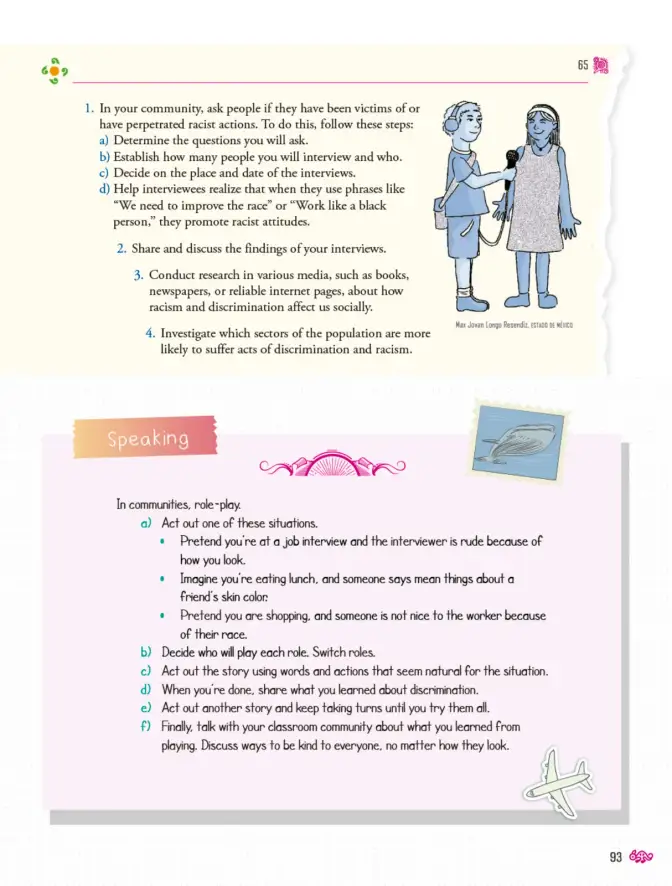
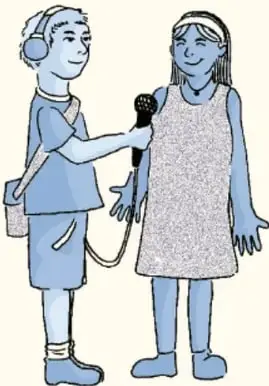
Max Jovan Longo Reséndiz, Estado de México

Glosario (5)

racism
Belief that some races are superior to others; discrimination based on race.
discrimination
Unjust or prejudicial treatment of different categories of people.
role-play
Actividad en la que los estudiantes representan un papel o situación.
interview
Conversación estructurada para obtener información.
community
Grupo de personas que comparten un entorno o intereses.

Preguntas para practicar

Why are phrases like 'We need to improve the race' racist?

Because they assume some races are superior to others and justify unequal treatment, violating human dignity and equality.

Which sectors of the population are more likely to suffer discrimination in Mexico?

Indigenous peoples, Afro-Mexicans, migrants, people with disabilities, and women, according to ENADIS.

How can role-play help us understand discrimination?

It lets us experience different perspectives, develop empathy, and practice respectful responses to injustice.

Temas y conceptos clave

RacismoDiscriminaciónEntrevistas comunitariasRole-playSpeaking en inglésracismodiscriminaciónestereotipoempatíadiversidadderechos humanos

Fuentes y referencias

  • CONAPRED
  • ONU
  • INEGI (ENADIS)
¿Te fue útil esta página?

Figuras de la página (4)

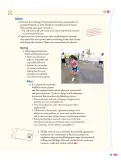
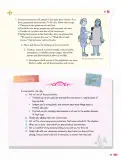
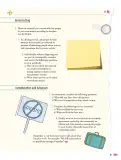
Ilustración de una entrevistadora con micrófono entrevistando a una mujer; crédito Max Jovan Longo Reséndiz, Estado de México.
Figura 1 image
Ilustración de un ave marina volando sobre el mar.
Figura 2 image
Ilustración de un avión de papel.
Figura 3 image
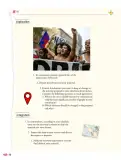
Figura 4 de Uérakua anapu uantakua. Projects and Readings.  Libro de Educación Secundaria Grado 3°  Ciclo Escolar 2025 - 2026
Figura 4 image

Preguntas que la gente también hace

¿Qué es el racismo y cómo se manifiesta en la escuela?
Consulta la solución completa arriba o explora el libro entero para temas relacionados.
¿Qué sectores de la población sufren más discriminación en México?
Consulta la solución completa arriba o explora el libro entero para temas relacionados.
¿Cómo puedo promover el respeto a la diversidad en mi comunidad?
Consulta la solución completa arriba o explora el libro entero para temas relacionados.
📌 Antes de leer esto
  • • Vocabulario básico en inglés sobre emociones y descripciones
  • • Uso de presente simple y preguntas en inglés
  • • Nociones de respeto a los derechos humanos
Siguiente tema sugerido
Writing: report on discrimination findings and proposals for an inclusive school
📝 Transcripción de la página (texto seleccionable) 1719 caracteres
  1. In your community, ask people if they have been victims of or have perpetrated racist actions. To do this, follow these steps:a) Determine the questions you will ask.

b) Establish how many people you will interview and who.c) Decide on the place and date of the interviews.

d) Help interviewees realize that when they use phrases like "We need to improve the race" or "Work like a black person," they promote racist attitudes.

  1. Share and discuss the findings of your interviews.

  2. Conduct research in various media, such as books,newspapers, or reliable internet pages, about how racism and discrimination affect us socially.

  3. Investigate which sectors of the population are more likely to suffer acts of discrimination and racism.

Speaking

In communities, role-play.

a) Act out one of these situations.

0Pretend you're at a job interview and the interviewer is rude because of how you look.

8Imagine you're eating lunch, and someone says mean things about a friend's skin color:

0Pretend you are shopping. and someone is not nice to the worker because of their race.

b)Decide who will play each role. Switch roles.

c)Act out the story using words and actions that seem natural for the situation.

d)When you'ne done, share what you learned about discrimination.

e)Act out another story and keep taking turns until you try them all.

f)Finally, talk with your classroom community about what you learned from playing. Discuss ways to be kind to everyone, no matter how they look.

65

![](page=0,bbox=[780, 177, 1049, 563])

Max Jovan Longo Resendiz. EsTADo DE MExIco

![](page=0,bbox=[464, 807, 733, 859])

![](page=0,bbox=[845, 726, 1023, 871])

![](page=0,bbox=[941, 1342, 1076, 1480])

93

Ad

Otros libros recomendados

Ver todos →
Ad

Usamos cookies propias y de terceros para personalizar contenido, mostrar publicidad y analizar el tráfico. Las cookies necesarias siempre están activas.