Saltar al contenido
MisLibrosTexto
Ad

What I Do Know and What I Want to Know: Causes of Lack of Exercise

📄 ejercicios ingles 🎓 otro · 1° TELESECUNDARIA México 🇲🇽 MX 🗣 Español
Página 60
60 de 187
Página 60 de Uérakua anapu uantakua. Projects and Readings.  Libro de Educación Telesecundaria Grado 1°  Ciclo Escolar 2025 - 2026
Anterior Página 60 / 187 Siguiente

Respuesta rápida

Causas: falta de tiempo, tecnología, instalaciones, seguridad, desconocimiento. Reflexiones personales sobre deporte y comunidad.

📚 exercise ingles ⭐⭐ Dificultad 2/5 ⏱ 10 min lectura

Solución — Página 60

Uérakua anapu uantakua. Projects and Readings. Libro de Educación Telesecundaria Grado 1° Ciclo Escolar 2025 - 2026

1
Ejercicio 1

Individually, reflect on the probable causes of this situation. Write them in the table "Causes Why Children and Teens Do not Exercise".

Respuesta orientativa: Algunas causas posibles son:

  • Falta de tiempo por las tareas escolares.
  • Preferencia por videojuegos, televisión o redes sociales.
  • Falta de instalaciones deportivas adecuadas.
  • Falta de seguridad en los espacios públicos.
  • Desconocimiento de los beneficios del ejercicio.
  • Preferencia por desplazarse en auto o transporte público.
2
Ejercicio 2

Compare your answers to the list below. Are these causes similar to the ones you wrote? Do you agree with them? Why or why not?

a
Parte 2.a

They don't have time because they study or do other activities.

Respuesta orientativa: Sí, es una causa frecuente. Muchos estudiantes dedican la mayor parte del día a la escuela y tareas, y no les queda tiempo para actividad física.

b
Parte 2.b

They don't have the correct facilities.

Respuesta orientativa: De acuerdo. La falta de canchas, gimnasios o parques en buen estado desanima la práctica deportiva.

c
Parte 2.c

They prefer to spend their time using technologies like cell phones, TV, or computers.

Respuesta orientativa: Sí, el uso excesivo de pantallas reduce el tiempo disponible para el ejercicio.

d
Parte 2.d

They don't have a physical education plan at school.

Respuesta orientativa: De acuerdo. Sin un programa estructurado de educación física, los estudiantes no desarrollan hábitos deportivos.

e
Parte 2.e

There is a lack of safety in public places.

Respuesta orientativa: Sí, la inseguridad impide que niños y adolescentes salgan a jugar o entrenar.

f
Parte 2.f

They prefer to travel in a car or public transportation.

Respuesta orientativa: De acuerdo. La comodidad del transporte motorizado reduce la actividad física diaria.

g
Parte 2.g

They don't know the benefits of exercising.

Respuesta orientativa: Sí, la falta de información sobre los beneficios del ejercicio desmotiva su práctica.

What I Need to Know

Paso 1

In communities, ask your family, friends, and classmates between 11 and 16 years old about the motivations and benefits of exercising and practicing sports regularly.

Respuesta orientativa: Se sugiere elaborar una encuesta con preguntas como: ¿Qué te motiva a hacer ejercicio? ¿Qué beneficios has notado? ¿Qué deporte practicas? Luego, registrar las respuestas y compartirlas en clase.

Paso 2

Reflect on the following:

a
Parte 2.a

Is physical activity common in your community? Why or why not?

Respuesta orientativa: En algunas comunidades sí es común, especialmente entre jóvenes que practican fútbol o básquetbol; en otras, no, debido a la inseguridad o la falta de espacios.

b
Parte 2.b

What is your favorite sport or exercise?

Respuesta orientativa: Respuesta personal. Ejemplo: Mi deporte favorito es el fútbol porque me divierte y me mantiene activo.

c
Parte 2.c

What motivates you to exercise or practice a sport?

Respuesta orientativa: Me motiva sentirme saludable, divertirme con amigos y mejorar mi condición física.

d
Parte 2.d

Do you prefer individual or team activities? Why?

Respuesta orientativa: Prefiero las actividades en equipo porque fomentan la cooperación y la amistad.

e
Parte 2.e

What are the physical results (good or bad) of practicing a sport or exercising?

Respuesta orientativa: Resultados buenos: mejor salud, resistencia y estado de ánimo. Resultados malos: lesiones si no se calienta o no se usa equipo adecuado.

Contenido de la página

What I Do Know and What I Want to Know

According to the data provided in "That's the Question!" children and teens (between 10 and 19 years old) do not exercise or practice enough sports.

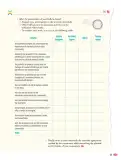
  1. Individually, without forgetting what you read in community, reflect on the probable causes of this situation. Write them in the following table:

Causes Why Children and Teens Do not Exercise

  1. Compare your answers to the list below. Are these causes similar to the ones you wrote? Do you agree with them? Why or why not?

a) They don't have time because they study or do other activities. b) They don't have the correct facilities. c) They prefer to spend their time using technologies like cell phones, TV, or computers. d) They don't have a physical education plan at school. e) There is a lack of safety in public places. f) They prefer to travel in a car or public transportation. g) They don't know the benefits of exercising.

What I Need to Know

  1. In communities, ask your family, friends, and classmates between 11 and 16 years old about the motivations and benefits of exercising and practicing sports regularly.

  2. Reflect on the following:

a) Is physical activity common in your community? Why or why not? b) What is your favorite sport or exercise? c) What motivates you to exercise or practice a sport? d) Do you prefer individual or team activities? Why? e) What are the physical results (good or bad) of practicing a sport or exercising?

Tabla

| Causas por las que niños y adolescentes no hacen ejercicio | |---|---| | Falta de tiempo por estudio | | | Preferencia por tecnología | | | Falta de instalaciones | | | Inseguridad en espacios públicos | | | Desconocimiento de beneficios | |

Glosario (6)

exercise
ejercicio
sports
deportes
facilities
instalaciones
safety
seguridad
benefits
beneficios
motivations
motivaciones

Preguntas para practicar

Are these causes similar to the ones you wrote? Do you agree with them? Why or why not?

Sí, muchas coinciden. Estoy de acuerdo con la mayoría porque reflejan situaciones reales como la falta de tiempo y el uso de tecnología.

Is physical activity common in your community? Why or why not?

En mi comunidad la actividad física es moderada; algunos jóvenes juegan fútbol, pero otros prefieren quedarse en casa por inseguridad.

What is your favorite sport or exercise?

Mi deporte favorito es el básquetbol porque me divierte y me ayuda a mantenerme en forma.

What motivates you to exercise or practice a sport?

Me motiva sentirme bien físicamente, compartir con amigos y mejorar mi salud.

Do you prefer individual or team activities? Why?

Prefiero las actividades en equipo porque aprendo a colaborar y me divierto más.

What are the physical results (good or bad) of practicing a sport or exercising?

Los resultados buenos incluyen mejor condición física y salud; los malos pueden ser lesiones si no se toman precauciones.

Temas y conceptos clave

Causas de la falta de ejercicioMotivaciones y beneficios del deporteSedentarismoActividad físicaBeneficios del ejercicioMotivación
¿Te fue útil esta página?

Figuras de la página (3)

Número de página 242 con un pequeño ícono decorativo.
Figura 1 image
Ilustración de un sobre de carta.
Figura 2 image
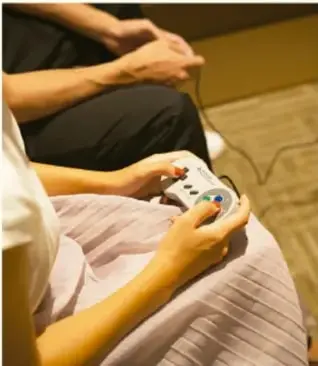
Fotografía de una persona sentada usando un control de videojuego, con otra persona al fondo.
Figura 3 image

Preguntas que la gente también hace

¿Por qué los adolescentes no practican deporte?
Consulta la solución completa arriba o explora el libro entero para temas relacionados.
¿Cuáles son los beneficios de hacer ejercicio regularmente?
Consulta la solución completa arriba o explora el libro entero para temas relacionados.
¿Cómo motivar a los jóvenes a hacer actividad física?
Consulta la solución completa arriba o explora el libro entero para temas relacionados.
📌 Antes de leer esto
  • • Vocabulario básico en inglés sobre deportes y salud
  • • Comprensión de preguntas simples en inglés
Siguiente tema sugerido
Beneficios del ejercicio y plan de actividad física personal
📝 Transcripción de la página (texto seleccionable) 1588 caracteres

What I Do Know and What I Want to Know

According to the data provided in "That's the Question!"children and teens (between 10 and 19 years old) do not exercise or practice enough sports.

  1. Individually, without forgetting what you read in community,reflect on the probable causes of this situation. Write them in the following table:

Causes Why Children and Teens Do not Exercise

  1. Compare your answers to the list below. Are these causes similar to the ones you wrote? Do you agree with them? Why or why not? a) They don't have time because they study or do other activities. b) They don't have the correct facilities. c) They prefer to spend their time using technologies like cell phones, TV, or computers. d) They don't have a physical education plan at school. e)There is a lack of safety in public places. f) They prefer to travel in a car or public transportation. g They don't know the benefits of exercising.

What I Need to Know

  1. In communities, ask your family, friends, and classmates between 11 and 16 years old about the motivations and benefits of exercising and practicing sports regularly.

  2. Reflect on the following:

a) Is physical activity common in your community?Why or why not? b) What is your favorite sport or exercise?c) What motivates you to exercise or practice a sport?d) Do you prefer individual or team activities? Why?e) What are the physical results (good or bad) of practicing a sport or exercising?

8

242

![](page=0,bbox=[829, 177, 1114, 465])

![](page=0,bbox=[854, 913, 1005, 1028])

![](page=0,bbox=[742, 1111, 1060, 1477])

59

8
Ad

Otros libros recomendados

Ver todos →
Ad

Usamos cookies propias y de terceros para personalizar contenido, mostrar publicidad y analizar el tráfico. Las cookies necesarias siempre están activas.