
















Saltar al contenido
MisLibrosTexto
Ad

Present Progressive Tense: affirmative, negative and interrogative forms

📄 ejercicios ingles 🎓 otro · 1° TELESECUNDARIA México 🇲🇽 MX 🗣 Español
Página 59
59 de 187
Página 59 de Uérakua anapu uantakua. Projects and Readings.  Libro de Educación Telesecundaria Grado 1°  Ciclo Escolar 2025 - 2026
Anterior Página 59 / 187 Siguiente

Respuesta rápida

1.a subject + verb to be + verb in -ing + object + time expression. 1.b subject + verb to be + not + verb in -ing + object + time expression. 1.c verb to be + subject + verb in -ing + object + time expression + ? 2. a) A public health problem that is causing between 5 and 10% of deaths. b) Young people in Mexico are not practicing sports. c) Teenagers between 15 and 19 years old are doing less than 60 minutes a day of physical activity.

📚 exercise ingles ⭐⭐ Dificultad 2/5 ⏱ 8 min lectura

Solución — Página 59

Uérakua anapu uantakua. Projects and Readings. Libro de Educación Telesecundaria Grado 1° Ciclo Escolar 2025 - 2026

1
Ejercicio 1

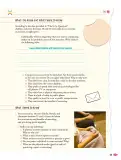
Individually, study the grammar above and write the formula in the provided space (affirmative, negative and interrogative).

a
Parte 1.a

Affirmative formula

  1. El sujeto va primero: subject.
  2. Luego el verbo to be conjugado en presente: am / is / are.
  3. Después el verbo principal en forma -ing: verb in -ing form.
  4. Se agrega el objeto o complemento: object.
  5. Se cierra con la expresión de tiempo: time expression.
Respuesta

subject + verb to be + verb in -ing form + object + time expression. Example: You are drawing a tree right now.

b
Parte 1.b

Negative formula

  1. Sujeto: subject.
  2. Verbo to be + not: am not / is not / are not.
  3. Verbo principal en -ing.
  4. Objeto y expresión de tiempo.
Respuesta

subject + verb to be + not + verb in -ing form + object + time expression. Example: He is not doing homework at this moment.

c
Parte 1.c

Interrogative formula

  1. El verbo to be se coloca antes del sujeto: verb to be + subject.
  2. Luego el verbo principal en -ing.
  3. Después el objeto y la expresión de tiempo.
  4. Se cierra con signo de interrogación.
Respuesta

verb to be + subject + verb in -ing form + object + time expression + ? Example: Are we speaking English right now?


2
Ejercicio 2

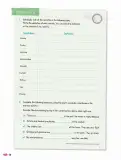
Go back to the text about the lack of physical activity, find the sentences in present progressive and write them on the lines provided. Use correct capital letters and punctuation marks.

  1. Se revisa el texto anterior sobre la falta de actividad física.
  2. Se identifican las oraciones con verb to be + verbo en -ing.
  3. Se copian respetando mayúsculas y puntuación.

b) Young people in Mexico are not practicing sports.

c) Teenagers between 15 and 19 years old are doing less than 60 minutes a day of physical activity.

Paso 1

Respuesta orientativa: El presente progresivo se usa para acciones que ocurren ahora o que aún no terminan; se forma con am/is/are + verbo en -ing y suele acompañarse de expresiones como right now, at this moment o at present.

Respuesta

a) A public health problem that is causing between 5 and 10% of deaths.

Contenido de la página

Grammar

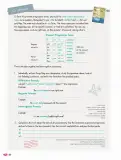
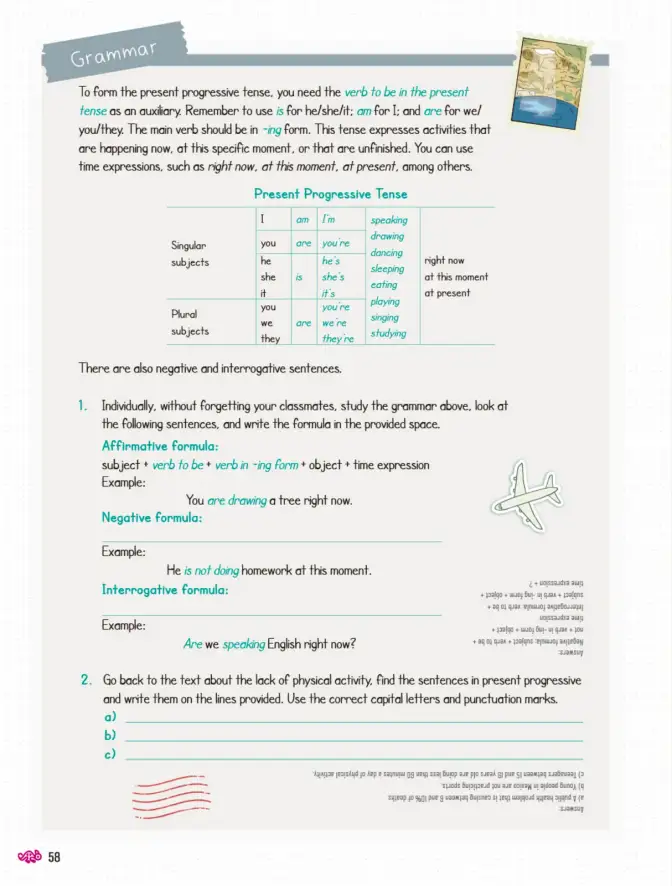
To form the present progressive tense, you need the verb to be in the present tense as an auxiliary. Remember to use is for he/she/it; am for I; and are for we/you/they. The main verb should be in -ing form. This tense expresses activities that are happening now, at this specific moment, or that are unfinished. You can use time expressions, such as right now, at this moment, at present, among others.

Present Progressive Tense

Singular subjects I am I'm speaking, drawing, dancing, sleeping, eating, playing, singing, studying right now, at this moment, at present
you are you're
he / she / it is he's / she's / it's
Plural subjects you / we / they are you're / we're / they're

There are also negative and interrogative sentences.

  1. Individually, without forgetting your classmates, study the grammar above, look at the following sentences, and write the formula in the provided space.

Affirmative formula:

subject + verb to be + verb in -ing form + object + time expression

Example: You are drawing a tree right now.

Negative formula:

Example: He is not doing homework at this moment.

Interrogative formula:

Example: Are we speaking English right now?

  1. Go back to the text about the lack of physical activity, find the sentences in present progressive and write them on the lines provided. Use the correct capital letters and punctuation marks.

a) _________________________________________________

b) _________________________________________________

c) _________________________________________________

Ejemplos resueltos

Write the affirmative formula and give an example.

subject + verb to be + verb in -ing form + object + time expression. Example: You are drawing a tree right now.

Write the negative formula and give an example.

subject + verb to be + not + verb in -ing form + object + time expression. Example: He is not doing homework at this moment.

Write the interrogative formula and give an example.

verb to be + subject + verb in -ing form + object + time expression + ? Example: Are we speaking English right now?

Tabla

Subject type Subject Verb to be Contraction Main verb (-ing) Time expression
Singular I am I'm speaking, drawing, dancing, sleeping, eating, playing, singing, studying right now, at this moment, at present
Singular you are you're speaking, drawing, dancing, sleeping, eating, playing, singing, studying right now, at this moment, at present
Singular he / she / it is he's / she's / it's speaking, drawing, dancing, sleeping, eating, playing, singing, studying right now, at this moment, at present
Plural you / we / they are you're / we're / they're speaking, drawing, dancing, sleeping, eating, playing, singing, studying right now, at this moment, at present

Diagrama

graph TD
A[Present Progressive] --> B[Auxiliary: verb to be]
A --> C[Main verb: -ing form]
A --> D[Time expressions]
B --> B1[am - I]
B --> B2[is - he/she/it]
B --> B3[are - we/you/they]
D --> D1[right now]
D --> D2[at this moment]
D --> D3[at present]

Fórmulas y ecuaciones

subject + verb to be + verb in -ing form + object + time expression

subject + verb to be + not + verb in -ing form + object + time expression

verb to be + subject + verb in -ing form + object + time expression + ?

Glosario (6)

present progressive tense
Tiempo verbal que expresa acciones que ocurren en el momento o que aún no han terminado.
auxiliary verb
Verbo auxiliar (to be) que acompaña al verbo principal para formar un tiempo verbal.
-ing form
Forma del verbo que termina en -ing y se usa en el presente progresivo.
time expression
Expresión de tiempo que indica cuándo ocurre la acción (right now, at this moment, at present).
subject
Persona, animal o cosa que realiza la acción del verbo.
object
Elemento que recibe la acción del verbo.

Preguntas para practicar

Why do we use the present progressive tense?

We use it to talk about actions that are happening right now, at this specific moment, or that are unfinished. It is formed with the verb to be as an auxiliary plus the main verb in -ing form.

Temas y conceptos clave

Present progressive tenseAffirmative, negative and interrogative formulasTime expressionsAuxiliary verb to beMain verb in -ing formSubject-verb orderTime expressions: right now, at this moment, at present
¿Te fue útil esta página?

Figuras de la página (3)

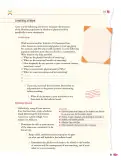
Ilustración de un paisaje con montañas, un río y un cielo azul.
Figura 1 image
Dibujo de un avión de papel volando.
Figura 2 image
Líneas onduladas rojas decorativas.
Figura 3 image

Preguntas que la gente también hace

¿Cómo se forma el presente progresivo en inglés?
Consulta la solución completa arriba o explora el libro entero para temas relacionados.
¿Cuál es la diferencia entre presente simple y presente progresivo?
Consulta la solución completa arriba o explora el libro entero para temas relacionados.
¿Qué expresiones de tiempo se usan con el presente progresivo?
Consulta la solución completa arriba o explora el libro entero para temas relacionados.
📌 Antes de leer esto
  • • Conjugación del verbo to be en presente (am, is, are)
  • • Vocabulario básico de acciones cotidianas
  • • Reconocimiento de sujeto y objeto en una oración
Siguiente tema sugerido
Present progressive: spelling rules for -ing verbs and short answers
📝 Transcripción de la página (texto seleccionable) 1907 caracteres

Grammar

To form the present progressive tense, you need the verb to be in the present tense as an auxiliary. Remember to use is for he/she/it; am for I; and are for we/you/they. The main verb should be in -ingform. This tense expresses activities that are happening now, at this specific moment, or that are unfinished. You can use time expressions, such as right now, at this moment, at present, among others.

There are also negative and interrogative sentences.

Individually, without forgetting your classmates, study the grammar above, look at the following sentences, and write the formula in the provided space.

Affirmative formula:

subject + verb to be + verb in -ing form+ object + time expression Example:

You are drawing a tree right now.

Negative formula:

Example:

He is not doing homework at this moment.

Interrogative formula:

Example:

Are we speaking English right now?
+uossaudxa aug +al+ u-q +agns +aq uorssaudxa awg +ja0 +gu-quan++aq suamsuy

  1. Go back to the text about the lack of physical activity, find the sentences in present progressive and wnite them on the lines provided. Use the correct capital letters and punctuation marks.

Aage easd o Mep e sau g e s uo aae po san g pue s aamaag saeuaa (a stods uagead gou ae oaauadoad unon a SJaMsuy

![](page=0,bbox=[921, 64, 1065, 234])

Present Progressive Tense

Singular subjectsIamI'mspeaking drawing dancing sleeping eating playing singing studyingright now at this moment at present
youareyou're
he she ifishe's she's if's
Plural subjectsyou we theyareyou're we're they're

![](page=0,bbox=[884, 826, 1017, 960])

![](page=0,bbox=[235, 1394, 381, 1479])

58

Ad

Otros libros recomendados

Ver todos →
Ad

Usamos cookies propias y de terceros para personalizar contenido, mostrar publicidad y analizar el tráfico. Las cookies necesarias siempre están activas.