















Saltar al contenido
MisLibrosTexto
Ad

Building and/or Proving: Organizing the Activities / Creativity at Work

📄 ejercicios ingles 🎓 otro · 1° TELESECUNDARIA México 🇲🇽 MX 🗣 Español
Página 76
76 de 187
Página 76 de Uérakua anapu uantakua. Projects and Readings.  Libro de Educación Telesecundaria Grado 1°  Ciclo Escolar 2025 - 2026
Anterior Página 76 / 187 Siguiente

Respuesta rápida

Organización por complejidad y momentos; estructura de participación con roles; 5 sesiones; tarjetas de juegos; cronograma inclusivo; prueba, ajuste y compilación de los juegos.

📚 exercise ingles ⭐⭐ Dificultad 2/5 ⏱ 8 min lectura

Solución — Página 76

Uérakua anapu uantakua. Projects and Readings. Libro de Educación Telesecundaria Grado 1° Ciclo Escolar 2025 - 2026

1
Ejercicio 1

In community, organize the proposed actions for the game according to their level of complexity, how to experiment with it, and how to play it.

  1. Reunirse en comunidad y leer todas las acciones propuestas.
  2. Clasificarlas por complejidad: baja (organizar la estructura), media (diseñar materiales, escribir tarjetas) y alta (reestructurar acciones defensivas y ofensivas).
  3. Ordenarlas según el momento del proyecto: antes de jugar, durante el juego y después del juego.
  4. Asignar cada acción a un momento y a un responsable.

Respuesta orientativa: Se propone un orden: primero a), b), f), i) (planificación); luego c), d), g) (diseño); después e), h) (implementación); finalmente la evaluación.

a
Parte 1.a

Organize the participation structure.

  1. Definir roles: capitán, árbitro, anotador, encargado de materiales, cronometrista.
  2. Establecer turnos y reglas de participación equitativa.
  3. Incluir a todos los compañeros, considerando necesidades educativas especiales.
Respuesta

Estructura con roles rotativos y turnos equitativos.

b
Parte 1.b

Determine the number of sessions needed to implement the project.

  1. Calcular el tiempo de cada actividad: diseño (2 sesiones), prueba (1), ajustes (1), presentación (1).
  2. Sumar las sesiones.
Respuesta

5 sesiones aproximadamente.

c
Parte 1.c

Research, design, and propose different types of modified games.

  1. Investigar juegos tradicionales de la comunidad.
  2. Modificar reglas, espacios o materiales.
  3. Proponer al menos tres variantes.
Respuesta

Tres variantes: juego con reglas simplificadas, juego con materiales reciclados y juego inclusivo.

d
Parte 1.d

Write down the proposed modified games on cards for analysis and note-taking.

  1. Usar una tarjeta por juego.
  2. Anotar nombre, reglas, materiales, número de jugadores y tiempo.
Respuesta

Tarjetas con formato único para cada juego modificado.

e
Parte 1.e

Establish moments to restructure defensive and offensive actions during the implementation of the games.

  1. Identificar momentos clave: inicio, mitad y final del juego.
  2. Definir pausas para ajustar estrategias.
Respuesta

Pausas en el primer tercio, al medio tiempo y en los últimos minutos.

f
Parte 1.f

Define tasks and responsibilities for each classroom community member.

  1. Listar tareas: organizar, arbitrar, anotar, cuidar materiales.
  2. Asignar una tarea a cada miembro.
Respuesta

Tabla de tareas y responsables.

g
Parte 1.g

Design materials and anticipate times, spaces, and human resources to implement the games you've designed.

  1. Elaborar lista de materiales.
  2. Reservar espacios (patio, cancha).
  3. Calcular tiempos y personas necesarias.
Respuesta

Plan de materiales, espacios, tiempos y recursos humanos.

h
Parte 1.h

Create a participation schedule to carry out the games. Favor actions that include classmates with disabilities, special education needs, or learning barriers.

  1. Elaborar un cronograma con fechas y horas.
  2. Adaptar las actividades para asegurar la inclusión.
Respuesta

Cronograma inclusivo con adaptaciones.

i
Parte 1.i

Prepare a list of materials and tools needed to carry out your research.

  1. Enumerar materiales: tarjetas, marcadores, balones, conos, cronómetro.
  2. Verificar disponibilidad.
Respuesta

Lista de materiales y herramientas.
2
Ejercicio 2

Creativity at Work: First, try playing your games to test their rules and internal logic...

  1. Probar el juego con el grupo.
  2. Observar si las reglas funcionan.
  3. Ajustar lo necesario.
  4. Compilar los juegos antes de compartirlos.

Respuesta orientativa: Probar, ajustar y compilar los juegos para compartirlos.

2
Ejercicio 2

1

In community, make cards for your games using a single format.

  1. Diseñar un formato único de tarjeta.
  2. Incluir información importante del juego.
Respuesta

Tarjetas con formato único.

Ad
2
Ejercicio 2

2

Present your cards to get feedback on how to improve them.

  1. Mostrar las tarjetas al grupo.
  2. Escuchar sugerencias y anotarlas.
Respuesta

Retroalimentación recibida y registrada.

2
Ejercicio 2

3

Make sure you have the necessary materials and spaces for each game.

  1. Revisar la lista de materiales.
  2. Confirmar espacios disponibles.
Respuesta

Materiales y espacios verificados.

2
Ejercicio 2

4

Create a participation and playing schedule for your modified games.

  1. Definir fechas y horarios.
  2. Asignar turnos de participación.
Respuesta

Cronograma de participación y juego.

Ad
2
Ejercicio 2

5

With the help of your teacher, provide feedback on elements that can be modified in the games you have created.

  1. Revisar con el docente los juegos creados.
  2. Identificar elementos mejorables.
Respuesta

Retroalimentación del docente y propuestas de mejora.

Contenido de la página

BUILDING AND/OR PROVING

Organizing the Activities

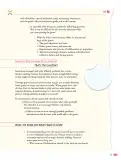
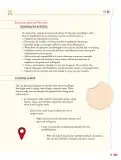
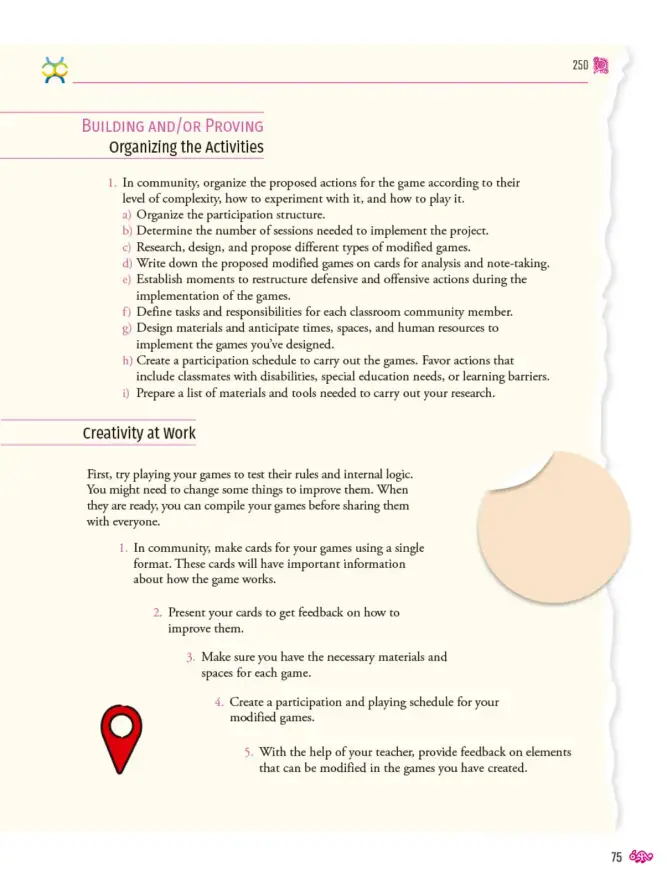
  1. In community, organize the proposed actions for the game according to their level of complexity, how to experiment with it, and how to play it. a) Organize the participation structure. b) Determine the number of sessions needed to implement the project. c) Research, design, and propose different types of modified games. d) Write down the proposed modified games on cards for analysis and note-taking. e) Establish moments to restructure defensive and offensive actions during the implementation of the games. f) Define tasks and responsibilities for each classroom community member. g) Design materials and anticipate times, spaces, and human resources to implement the games you've designed. h) Create a participation schedule to carry out the games. Favor actions that include classmates with disabilities, special education needs, or learning barriers. i) Prepare a list of materials and tools needed to carry out your research.

Creativity at Work

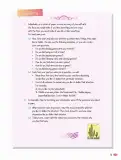
First, try playing your games to test their rules and internal logic. You might need to change some things to improve them. When they are ready, you can compile your games before sharing them with everyone.

  1. In community, make cards for your games using a single format. These cards will have important information about how the game works.
  2. Present your cards to get feedback on how to improve them.
  3. Make sure you have the necessary materials and spaces for each game.
  4. Create a participation and playing schedule for your modified games.
  5. With the help of your teacher, provide feedback on elements that can be modified in the games you have created.

Tabla

Acción Complejidad Momento Responsable
a) Estructura de participación Baja Planificación Todo el grupo
b) Número de sesiones Baja Planificación Docente
c) Investigar juegos Media Diseño Equipos
d) Tarjetas Media Diseño Equipos
e) Reestructurar acciones Alta Implementación Capitanes
f) Tareas y responsabilidades Baja Planificación Todo el grupo
g) Materiales y espacios Media Diseño Comité
h) Cronograma inclusivo Media Implementación Todo el grupo
i) Lista de materiales Baja Planificación Comité

Diagrama

graph TD
A[Organizar actividades] --> B[Planificación]
A --> C[Diseño]
A --> D[Implementación]
A --> E[Evaluación]
B --> B1[Estructura de participación]
B --> B2[Número de sesiones]
B --> B3[Tareas y responsabilidades]
B --> B4[Lista de materiales]
C --> C1[Investigar juegos]
C --> C2[Escribir tarjetas]
C --> C3[Diseñar materiales]
D --> D1[Reestructurar acciones]
D --> D2[Cronograma inclusivo]
E --> E1[Retroalimentación]

Glosario (5)

participation structure
organización de roles y turnos para participar
modified games
juegos con reglas o materiales adaptados
feedback
retroalimentación o comentarios para mejorar
schedule
cronograma o calendario de actividades
learning barriers
barreras para el aprendizaje

Preguntas para practicar

Why is it important to include classmates with disabilities in the games?

Porque la inclusión garantiza igualdad de oportunidades y respeto a la diversidad. Además, fortalece la convivencia y el trabajo en equipo.

Temas y conceptos clave

Organización de actividadesCreatividad en el trabajoJuegos modificadosInclusiónEstructura de participaciónSesiones de implementaciónTarjetas de juegoCronogramaRetroalimentación
¿Te fue útil esta página?

Figuras de la página (2)

Número de página 250 con icono decorativo
Figura 1 image
Número 75 con icono decorativo
Figura 2 image

Preguntas que la gente también hace

¿Cómo organizar las actividades de un juego modificado en el aula?
Consulta la solución completa arriba o explora el libro entero para temas relacionados.
¿Qué es la estructura de participación en un juego?
Consulta la solución completa arriba o explora el libro entero para temas relacionados.
¿Cómo incluir a compañeros con discapacidad en los juegos?
Consulta la solución completa arriba o explora el libro entero para temas relacionados.
📌 Antes de leer esto
  • • Vocabulario básico en inglés sobre juegos y actividades
  • • Conocimiento de juegos tradicionales
  • • Habilidades de trabajo en equipo
Siguiente tema sugerido
Presentación y evaluación de los juegos modificados
📝 Transcripción de la página (texto seleccionable) 1772 caracteres

BUILDING AND/OR PROVING Organizing the Activities

  1. In community, organize the proposed actions for the game according to their level of complexity, how to experiment with it, and how to play it. a) Organize the participation structure. b) Determine the number of sessions needed to implement the project. c) Research, design, and propose different types of modified games. d) Write down the proposed modified games on cards for analysis and note-taking. e)Establish moments to restructure defensive and offensive actions during the implementation of the games. f) Define tasks and responsibilities for each classroom community member. g)Design materials and anticipate times, spaces, and human resources to implement the games you've designed. h) Create a participation schedule to carry out the games. Favor actions that include classmates with disabilities, special education needs, or learning barriers. i) Prepare a list of materials and tools needed to carry out your research.

Creativity at Work

First, try playing your games to test their rules and internal logic.You might need to change some things to improve them. When they are ready, you can compile your games before sharing them with everyone.

  1. In community, make cards for your games using a single format. These cards will have important information about how the game works.

  2. Present your cards to get feedback on how to improve them.

  3. Make sure you have the necessary materials and spaces for each game.

4Create a participation and playing schedule for your modified games.

  1. With the help of your teacher, provide feedback on elements that can be modified in the games you have created.

8

250

![](page=0,bbox=[855, 809, 1142, 1095])

![](page=0,bbox=[177, 1268, 258, 1397])

75

Ad

Otros libros recomendados

Ver todos →
Ad

Usamos cookies propias y de terceros para personalizar contenido, mostrar publicidad y analizar el tráfico. Las cookies necesarias siempre están activas.