















Saltar al contenido
MisLibrosTexto
Ad

Body, Space, and Time in Art: Analyzing La Llorona

📄 ejercicios otro 🎓 otro · 2° TELESECUNDARIA México 🇲🇽 MX 🗣 Español
Página 163
163 de 171
Página 163 de Uérakua anapu uantakua. Projects and Readings.  Libro de Educación Telesecundaria Grado 2°  Ciclo Escolar 2025 - 2026
Anterior Página 163 / 171 Siguiente

Respuesta rápida

a) Sí, hay varias versiones orales; comparten el llanto y la pérdida de los hijos. b) Pueblos y ciudades coloniales de México, época virreinal con adaptaciones contemporáneas. c) Canciones, pinturas, películas, audios, danzas. d) Espectral, doliente, errante; llanto como viento frío, olores a río y cempasúchil, colores blanco y negro.

📚 exercise otro ⭐⭐ Dificultad 2/5 ⏱ 8 min lectura

Solución — Página 163

Uérakua anapu uantakua. Projects and Readings. Libro de Educación Telesecundaria Grado 2° Ciclo Escolar 2025 - 2026

1
Ejercicio 1

Retrieval (Recuperación)

El texto presenta los tres componentes fundamentales del arte:

  • Cuerpo (body): en artes escénicas (danza, teatro, música) el cuerpo transmite emociones y mensajes; los movimientos corporales cuentan historias y el espacio escénico sitúa al público.
  • Espacio (space): en artes plásticas (pintura, escultura, arquitectura) el espacio comunica el mensaje, crea profundidad, perspectiva y funcionalidad estética.
  • Tiempo (time): en la música el tiempo establece patrones melódicos y rítmicos; la duración de las notas, el ritmo y la métrica determinan la estructura musical.

Respuesta orientativa: Cuerpo, espacio y tiempo son componentes cruciales del arte; cada disciplina los usa de manera distinta, pero siempre están presentes en la creación, comprensión y apreciación de la obra artística.

Approach (Actividad)

a
Parte 1.a

¿Existe una tradición oral con una versión diferente de La Llorona? ¿Similitudes y diferencias?

Sí. En México existen múltiples versiones orales de La Llorona: en algunas es una mujer indígena que llora a sus hijos ahogados; en otras es una mujer que mató a sus hijos por celos y luego se arrepintió. Similitudes: el llanto nocturno, la pérdida de los hijos, el castigo o penitencia eterna, el vínculo con el agua (ríos, lagunas, canales). Diferencias: el origen étnico y social de la mujer, el motivo del infanticidio (honor, celos, desamor), el lugar exacto y el desenlace (aparición, fantasma, espíritu protector).

b
Parte 1.b

¿En qué lugar y tiempo se ubica? ¿Pueblo, ciudad o aldea? ¿Época colonial o contemporánea?

Se ubica principalmente en pueblos y ciudades coloniales de México, junto a ríos, lagunas o canales (por ejemplo, la época virreinal de la Ciudad de México, Puebla o Xochimilco). La versión clásica se sitúa en la época colonial, aunque existen adaptaciones contemporáneas en barrios urbanos actuales.

c
Parte 1.c

¿Qué manifestaciones artísticas o culturales existen sobre La Llorona?

  • Canciones: "La Llorona" (son istmeño tradicional, versiones de Chavela Vargas, Lila Downs).
  • Pinturas y grabados: obras de artistas mexicanos que la representan como mujer espectral.
  • Fotografías: imágenes de teatros, danzas y celebraciones del Día de Muertos.
  • Películas: La Llorona (2019, Jayro Bustamante), The Curse of La Llorona (2019).
  • Audios y podcast: leyendas narradas, radionovelas y grabaciones de tradición oral.
  • Danza y teatro: representaciones en festivales como el de Día de Muertos.
d
Parte 1.d

¿Cómo es La Llorona? Descríbela con adjetivos, comparaciones y asociaciones sensoriales.

La Llorona es espectral, doliente, errante y vengativa. Su llanto es como el aullido de un viento frío entre los árboles. Olores: humedad de río, flores de cempasúchil marchitas, incienso. Texturas: tela húmeda y fría, cabello largo y enredado, piel pálida como cera. Colores: blanco mortecino de su vestido, negro de su cabello, verde turbio del agua. Sonidos: llanto agudo, pasos descalzos sobre piedra, susurros. Sensaciones corporales: escalofrío en la nuca, opresión en el pecho, piel erizada.
Contenido de la página

Retrieval

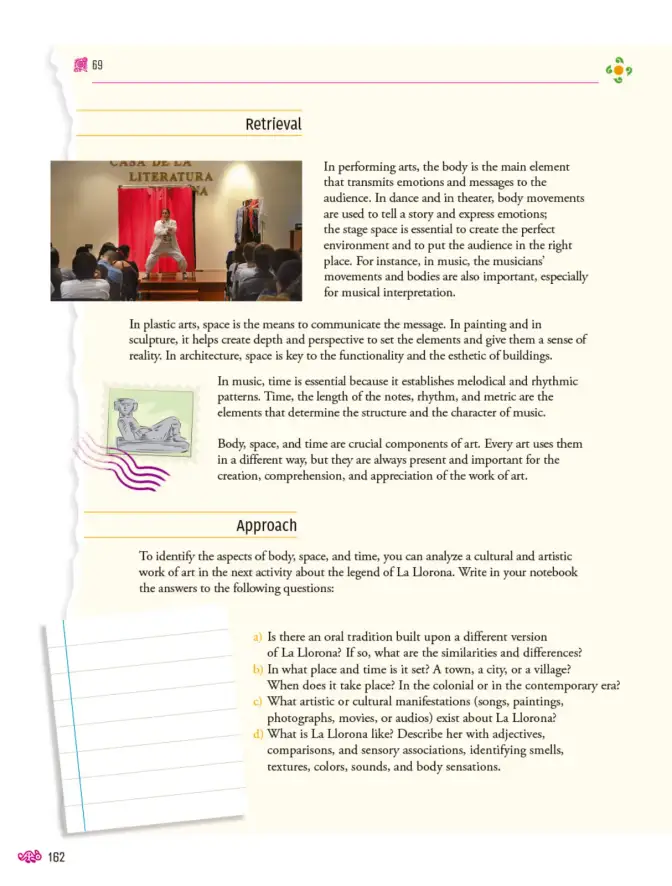
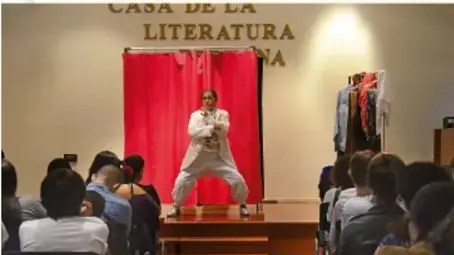
In performing arts, the body is the main element that transmits emotions and messages to the audience. In dance and in theater, body movements are used to tell a story and express emotions; the stage space is essential to create the perfect environment and to put the audience in the right place. For instance, in music, the musicians' movements and bodies are also important, especially for musical interpretation.

In plastic arts, space is the means to communicate the message. In painting and in sculpture, it helps create depth and perspective to set the elements and give them a sense of reality. In architecture, space is key to the functionality and the esthetic of buildings.

In music, time is essential because it establishes melodical and rhythmic patterns. Time, the length of the notes, rhythm, and metric are the elements that determine the structure and the character of music.

Body, space, and time are crucial components of art. Every art uses them in a different way, but they are always present and important for the creation, comprehension, and appreciation of the work of art.

Approach

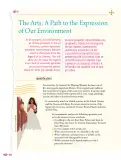
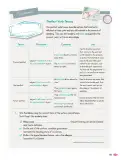
To identify the aspects of body, space, and time, you can analyze a cultural and artistic work of art in the next activity about the legend of La Llorona. Write in your notebook the answers to the following questions:

a) Is there an oral tradition built upon a different version of La Llorona? If so, what are the similarities and differences?

b) In what place and time is it set? A town, a city, or a village? When does it take place? In the colonial or in the contemporary era?

c) What artistic or cultural manifestations (songs, paintings, photographs, movies, or audios) exist about La Llorona?

d) What is La Llorona like? Describe her with adjectives, comparisons, and sensory associations, identifying smells, textures, colors, sounds, and body sensations.

Tabla

Componente Artes escénicas Artes plásticas Música
Cuerpo Movimiento y expresión — Movimiento del músico
Espacio Escenario Profundidad y perspectiva —
Tiempo Duración de la escena — Ritmo y métrica

Diagrama

mindmap
  root((Body, Space, Time in Art))
    Performing Arts
      Body
      Stage space
    Plastic Arts
      Space
      Depth
      Perspective
    Music
      Time
      Rhythm
      Metric

Glosario (5)

performing arts
artes escénicas: danza, teatro, música
plastic arts
artes plásticas: pintura, escultura, arquitectura
oral tradition
tradición oral: relatos transmitidos de generación en generación
sensory associations
asociaciones sensoriales: olores, texturas, colores, sonidos y sensaciones corporales
metric
métrica: patrón de tiempos en la música

Preguntas para practicar

¿Por qué el cuerpo, el espacio y el tiempo son componentes cruciales del arte?

Porque permiten transmitir emociones, organizar la obra y situar al espectador; cada disciplina los combina de forma distinta para crear significado.

¿Qué diferencias hay entre el uso del espacio en las artes plásticas y en las artes escénicas?

En las plásticas el espacio es representado (profundidad, perspectiva); en las escénicas es vivido y compartido con el público.

Temas y conceptos clave

Cuerpo, espacio y tiempo en el arteLa Llorona como manifestación culturalbodyspacetimeperforming artsplastic artsmusicoral traditionsensory associations
¿Te fue útil esta página?

Figuras de la página (3)

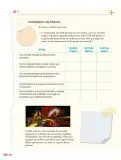
Fotografía de una presentación escénica en Casa de la Literatura con una persona actuando frente a un público.
Figura 1 image
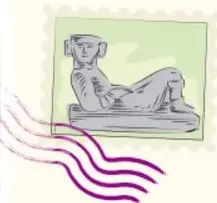
Ilustración de una escultura clásica reclinada dentro de un marco decorativo.
Figura 2 image
Cuaderno de notas con líneas para escribir las respuestas.
Figura 3 image

Preguntas que la gente también hace

¿Cuáles son las versiones más conocidas de la leyenda de La Llorona?
Consulta la solución completa arriba o explora el libro entero para temas relacionados.
¿Cómo se representa La Llorona en la música y el cine mexicanos?
Consulta la solución completa arriba o explora el libro entero para temas relacionados.
¿Qué elementos sensoriales se usan para describir a La Llorona?
Consulta la solución completa arriba o explora el libro entero para temas relacionados.
📌 Antes de leer esto
  • • Vocabulario básico en inglés sobre arte y emociones
  • • Conocimiento general de leyendas mexicanas
  • • Identificación de adjetivos y comparaciones
Siguiente tema sugerido
Análisis de una obra artística aplicando cuerpo, espacio y tiempo
📝 Transcripción de la página (texto seleccionable) 2004 caracteres

Retrieval

In performing arts, the body is the main element that transmits emotions and messages to the audience. In dance and in theater, body movements are used to tell a story and express emotions;the stage space is essential to create the perfect environment and to put the audience in the right place. For instance, in music, the musicians'movements and bodies are also important, especially for musical interpretation.

In plastic arts, space is the means to communicate the message. In painting and in sculpture, it helps create depth and perspective to set the elements and give them a sense of reality. In architecture, space is key to the functionality and the esthetic of buildings.

In music, time is essential because it establishes melodical and rhythmic patterns. Time, the length of the notes, rhythm, and metric are the elements that determine the structure and the character of music.

Body, space, and time are crucial components of art. Every art uses them in a different way, but they are always present and important for the creation, comprehension, and appreciation of the work of art.

Approach

To identify the aspects of body, space, and time, you can analyze a cultural and artistic work of art in the next activity about the legend of La Llorona. Write in your notebook the answers to the following questions:

a) Is there an oral tradition built upon a different version of La Llorona? If so, what are the similarities and differences?b) In what place and time is it set? A town, a city, or a village?When does it take place? In the colonial or in the contemporary era?What artistic or cultural manifestations (songs, paintings,photographs, movies, or audios) exist about La Llorona?d) What is La Llorona like? Describe her with adjectives,comparisons, and sensory associations, identifying smells,textures, colors, sounds, and body sensations.

6

![](page=0,bbox=[90, 287, 544, 542])

![](page=0,bbox=[142, 685, 359, 888])

![](page=0,bbox=[75, 1114, 441, 1504])

162

Ad

Otros libros recomendados

Ver todos →
Ad

Usamos cookies propias y de terceros para personalizar contenido, mostrar publicidad y analizar el tráfico. Las cookies necesarias siempre están activas.