Saltar al contenido
MisLibrosTexto
Ad

Reading: Mexico-Tenochtitlan y Grammar: there was / there were / could

📄 ejercicios ingles 🎓 otro · 2° TELESECUNDARIA México 🇲🇽 MX 🗣 Español
Página 34
34 de 171
Página 34 de Uérakua anapu uantakua. Projects and Readings.  Libro de Educación Telesecundaria Grado 2°  Ciclo Escolar 2025 - 2026
Anterior Página 34 / 171 Siguiente

Respuesta rápida

  1. Descripción con there was/there were. 3.a) there was; b) there were; c) there was; d) there were / could.
📚 exercise ingles ⭐⭐ Dificultad 2/5 ⏱ 8 min lectura

Solución — Página 34

Uérakua anapu uantakua. Projects and Readings. Libro de Educación Telesecundaria Grado 2° Ciclo Escolar 2025 - 2026

2
Ejercicio 2

Using the previous text, write a short description of Mexico-Tenochtitlan. Use there was or there were.

  1. Identifico los elementos del texto: plazas públicas, mercado, portales, mercancías, boticas, barberías y restaurantes.
  2. Redacto oraciones en pasado con there was (singular) y there were (plural).
  3. Uno las ideas en un párrafo breve y coherente.
Respuesta

Mexico-Tenochtitlan was a big city. There were many public squares with markets. There was one square twice as large as the square of Salamanca. There were porticoes around it, and more than sixty thousand people gathered there every day. There were apothecaries' shops, barbers' shops and restaurants. There were also jewels of gold and silver, precious stones, feathers and all kinds of merchandise.

3
Ejercicio 3

Fill in the blanks with there was, there were or could.

a
Parte 3.a

When I visited the old castle, ______ a large moat around it.

  1. El sujeto es singular: a large moat (un foso).
  2. Corresponde la forma singular there was.
Respuesta

there was

b
Parte 3.b

______ many beautiful paintings in the museum.

  1. El sujeto es plural: many beautiful paintings.
  2. Corresponde la forma plural there were.
Respuesta

there were

c
Parte 3.c

In the village, ______ a small bakery that sold the best bread.

  1. El sujeto es singular: a small bakery.
  2. Corresponde la forma singular there was.
Respuesta

there was

d
Parte 3.d

In the 19th century, ______ people in the mountains who ______ survive harsh winters without modern technology.

  1. Primer espacio: sujeto plural people → there were.
  2. Segundo espacio: expresa posibilidad o habilidad en el pasado → could.
Respuesta

there were / could

Contenido de la página

Reading

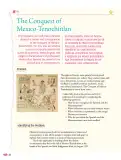
This city has many public squares, in which are situated the markets and other places for buying and selling. There is one square twice as large as that of the city of Salamanca, surrounded by porticoes, where are daily assembled more than sixty thousand souls, engaged in buying and selling; and where are found all kinds of merchandise that the world affords, embracing the necessaries of life, as for instance articles of food, as well as jewels of gold and silver; lead, brass, copper; tin, precious stones, bones, shells, snails, and feathers. [...] There are apothecaries' shops, where prepared medicines, liquids, ointments, and plasters are sold; barbers' shops, where they wash and shave the head; and restauranteurs, that furnish food and drink at a certain price.

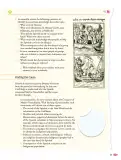
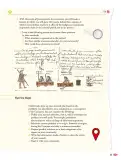
2. Using the previous text, write a short description of Mexico-Tenochtitlan. You can also watch the video 'Tenochtitlan/Aztec empire (15 century)' by Brainly info, following the QR/link on the right for extra details.

Remember to write sentences using there was or there were in your description. For example: There were four avenues or entrances to the city.

Grammar

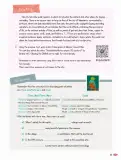
Remember that two structures for describing past situations are there was/there were and could.

There Was/There Were Could
There was (singular) and there were (plural) are used to talk about things that existed in the past. Could can be used to talk about possibilities in the past.
There were four entrances to Mexico-Tenochtitlan. There were bridges in the streets. There was a very big market. Canoes could pass under the bridges. People could walk or navigate through Mexico-Tenochtitlan. People could buy all kinds of things at the market.

Fill in the blanks with there was, there were or could.

a) When I visited the old castle, ______ a large moat around it.

b) ______ many beautiful paintings in the museum.

c) In the village, ______ a small bakery that sold the best bread.

d) In the 19th century, ______ people in the mountains who ______ survive harsh winters without modern technology.

Ejemplos resueltos

There were four avenues or entrances to the city.

Ejemplo del libro: se usa there were porque avenues es plural.

Tabla

There Was/There Were Could
There was (singular) and there were (plural) are used to talk about things that existed in the past. Could can be used to talk about possibilities in the past.
There were four entrances to Mexico-Tenochtitlan. There were bridges in the streets. There was a very big market. Canoes could pass under the bridges. People could walk or navigate through Mexico-Tenochtitlan. People could buy all kinds of things at the market.

Glosario (6)

public square
plaza pública
porticoes
portales, galerías con columnas
merchandise
mercancía
apothecary
boticario, farmacéutico
moat
foso
harsh
duro, severo

Preguntas para practicar

Why was Mexico-Tenochtitlan an important city?

Because it had many public squares and a huge market where more than sixty thousand people bought and sold all kinds of merchandise every day.

Temas y conceptos clave

ReadingGrammarPast situationsthere wasthere werecoulddescripción en pasado

Fuentes y referencias

  • https://bit.ly/4aFDe7M
¿Te fue útil esta página?

Figuras de la página (2)

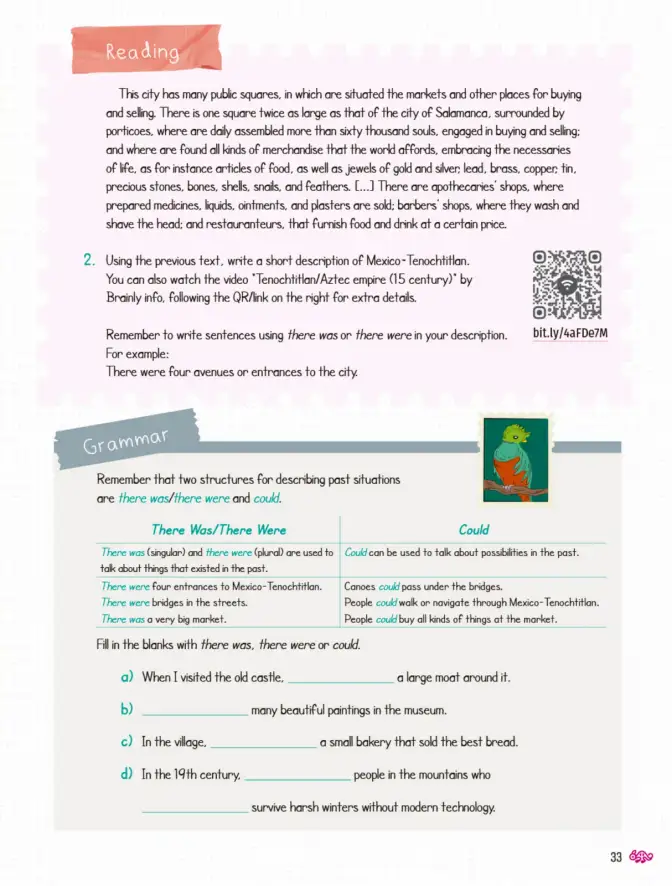
Código QR con el enlace bit.ly/4aFDe7M al video 'Tenochtitlan/Aztec empire (15 century)'.
Figura 1 image
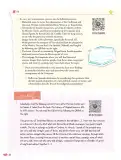
Ilustración de un ave verde y naranja posada sobre una rama.
Figura 2 image

Preguntas que la gente también hace

¿Cuándo se usa there was y cuándo there were?
Consulta la solución completa arriba o explora el libro entero para temas relacionados.
¿Cómo se usa could para hablar del pasado en inglés?
Consulta la solución completa arriba o explora el libro entero para temas relacionados.
¿Cómo describir una ciudad antigua en inglés?
Consulta la solución completa arriba o explora el libro entero para temas relacionados.
📌 Antes de leer esto
  • • Verbo to be en pasado (was/were)
  • • Vocabulario de lugares y objetos
  • • Sustantivos contables y plurales
Siguiente tema sugerido
Past simple: verbos regulares e irregulares
📝 Transcripción de la página (texto seleccionable) 2264 caracteres

Reading

This city has many public squares, in which are situated the markets and other places for buying and selling. There is one square twice as large as that of the city of Salamanca, surrounded by porticoes, where are daily assembled more than sixty thousand souls, engaged in buying and selling;and where are found all kinds of merchandise that the world affords, embracing the necessaries of life, as for instance articles of food, as well as jewels of gold and silver; lead, brass, copper; tin,precious stones, bones, shells, snails, and feathers. [...] There are apothecaries'shops, where prepared medicines, liquids, ointments,and plasters are sold; barbers'shops, where they wash and shave the head; and restauranteurs, that furnish food and drink at a certain price.

  1. Using the previous text, write a short description of Mexico-Tenochtitlan.You can also watch the video'Tenochtitlan/Aztec empire (15 century)" by Brainly info, following the QR/link on the right for extra details.

Remember to write sentences using there was or there were in your description.For example:

There were four avenues or entrances to the city.

Grammar

Remember that two structures for describing past situations are there was/there were and could.

a)When I visited the old castle,a large moat around it.

b)many beautiful paintings in the museum.

c) In the village,a small bakery that sold the best bread.

d) In the 19th century,people in the mountains who

survive harsh winters without modern technology.

![](page=0,bbox=[960, 447, 1087, 575])

bit.ly/4aFDe7M

![](page=0,bbox=[871, 752, 988, 904])

There Was/There WereCould
There was (singular) and there wene (plural) ane used to talk about things that existed in the past.Could can be used to talk about possibilities in the past.
There were four entrances to Mexico-Tenochtitlan. There wene bridges in the streets. There was a very big market.Canoes couldpass under the bridges. People could walk or navigate through Mexico-Tenochtitlan. People could buy all kinds of things at the market.

Fill in the blanks with there was, there were or could

33

乐

Ad

Otros libros recomendados

Ver todos →
Ad

Usamos cookies propias y de terceros para personalizar contenido, mostrar publicidad y analizar el tráfico. Las cookies necesarias siempre están activas.