













Saltar al contenido
MisLibrosTexto
Ad

Sharing and Assessing What We Learned

📄 ejercicios ingles 🎓 otro · 3° TELESECUNDARIA México 🇲🇽 MX 🗣 Español
Página 116
116 de 187
Página 116 de Uérakua anapu uantakua. Projects and Readings.  Libro de Educación Telesecundaria Grado 3°  Ciclo Escolar 2025 - 2026
Anterior Página 116 / 187 Siguiente

Respuesta rápida

  1. Rúbrica Sí/No marcada según desempeño real. 2) Comparar comentarios de invitados con la autoevaluación. 3.a) Aprendizajes del proyecto. 3.b) Tema de interés futuro. 4) Acuerdos de asamblea para cuidar el ambiente.
📚 exercise ingles ⭐ Dificultad 1/5 ⏱ 6 min lectura

Solución — Página 116

Uérakua anapu uantakua. Projects and Readings. Libro de Educación Telesecundaria Grado 3° Ciclo Escolar 2025 - 2026

1
Ejercicio 1

In assembly, self-assess your participation. Use the following guidelines. (En asamblea, autoevalúa tu participación con la rúbrica.)

  1. Lee cada afirmación de la tabla y decide honestamente si aplica a tu desempeño.
  2. Marca Yes si la cumpliste siempre; marca No si no la cumpliste o solo a veces.
  3. Suma tus Yes: 5/5 = participación excelente; 3-4 = buena, con áreas de mejora; 0-2 = requiere plan de mejora.

Respuesta orientativa: Ejemplo de autoevaluación: I made proposals for the activities: Yes. My participation was always respectful: Yes. I remembered what I knew about the topic and learned more: Yes. Now, I am more conscious about energy saving: Yes. I am interested in looking for sustainability projects: Yes. (Cada estudiante marca según su experiencia real.)
2
Ejercicio 2

Read the comments that the guests to your presentation wrote and talk about them. Share your opinions about your self-assessment. (Lee los comentarios de los invitados y conversa sobre ellos.)

  1. Reúne las tarjetas o notas escritas por los invitados.
  2. Clasifícalas en positive comments (fortalezas) y suggestions (mejoras).
  3. Compara esos comentarios con tu autoevaluación del ejercicio 1: ¿coinciden o no?
  4. Expresa tu opinión con estructuras como I agree with..., I was surprised that..., I think I need to improve....

Respuesta orientativa: The guests said my presentation was clear and well organized. I agree with them because I practiced a lot. However, they suggested speaking louder; I think that is true, so I will work on my volume next time.

3
Ejercicio 3

In your notebook, write about the following topics. (Escribe en tu cuaderno sobre los siguientes temas.)

a
Parte 3.a

What you learned.

  1. Identifica tres aprendizajes concretos del proyecto (vocabulario, trabajo en equipo, energía, sustentabilidad).
  2. Redacta en primera persona con I learned that..., I learned how to....

Respuesta orientativa: I learned new vocabulary about energy saving, such as "sustainability" and "renewable energy". I also learned how to present information in front of an audience and how to work in a team.

b
Parte 3.b

What would you like to learn more about.

  1. Elige un tema que te haya generado curiosidad.
  2. Justifica tu interés con I would like to learn more about... because....

Respuesta orientativa: I would like to learn more about renewable energy because I want to know how solar panels work and how they can help my community.

Ad
4
Ejercicio 4

Finally, write in your notebooks the assembly agreements reached by the community to take responsibility and take care of the environment. (Escribe los acuerdos de asamblea.)

  1. Recuerda o revisa las propuestas aprobadas en la asamblea grupal.
  2. Redacta cada acuerdo como una acción concreta y verificable.
  3. Usa verbos en imperativo o con we will....

Respuesta orientativa: Assembly agreements: 1) We will turn off the lights and fans when we leave the classroom. 2) We will separate organic and inorganic waste. 3) We will water the school garden twice a week. 4) We will use both sides of the paper. 5) We will present a campaign about energy saving to the other groups.

Contenido de la página

Sharing and Assessing What We Learned

1. In assembly, self-assess your participation. Use the following guidelines:

Description Yes No
I made proposals for the activities.
My participation was always respectful.
I remembered what I knew about the topic and learned more.
Now, I am more conscious about energy saving.
I am interested in looking for sustainability projects.

2. Read the comments that the guests to your presentation wrote and talk about them. Share your opinions about your self-assessment.

3. In your notebook, write about the following topics:

a) What you learned.

b) What would you like to learn more about.

4. Finally, write in your notebooks the assembly agreements reached by the community to take responsibility and take care of the environment.

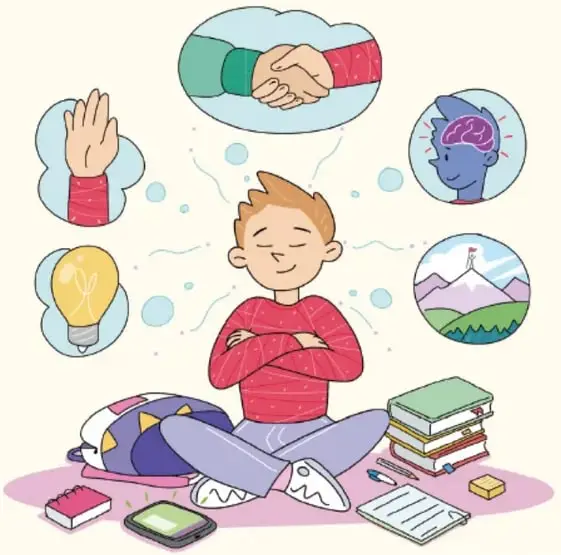
Juan Pablo Dorantes Pineda, CIUDAD DE MÉXICO

Tabla

Description Yes No
I made proposals for the activities.
My participation was always respectful.
I remembered what I knew about the topic and learned more.
Now, I am more conscious about energy saving.
I am interested in looking for sustainability projects.

Diagrama

mindmap
  root((Sharing and Assessing))
    Self-assessment
      Proposals
      Respect
      Learning
      Energy saving
      Sustainability
    Guest comments
      Strengths
      Suggestions
    Notebook writing
      What I learned
      What I want to learn
    Assembly agreements
      Responsibility
      Care for the environment

Glosario (7)

self-assess
evaluar tu propio desempeño o aprendizaje
assembly
reunión de toda la comunidad escolar para tomar decisiones
guidelines
criterios o pautas que orientan una actividad
sustainability
sustentabilidad; uso responsable de los recursos
energy saving
ahorro de energía
agreements
acuerdos o compromisos tomados en grupo
take responsibility
asumir responsabilidad

Preguntas para practicar

Why is self-assessment important after a project?

Self-assessment helps students identify their strengths and weaknesses, take ownership of their learning and set goals for improvement. It also connects their own perception with the feedback given by others.

How can assembly agreements help the environment?

Assembly agreements turn ideas into shared commitments that everyone in the school follows. When the whole community participates, actions like saving energy or separating waste become habits and have a bigger impact.

Temas y conceptos clave

Autoevaluación de la participaciónRetroalimentación de invitadosReflexión sobre aprendizajesAcuerdos comunitarios ambientalesSelf-assessmentParticipationSustainabilityEnergy savingAssembly agreementsEnvironment
¿Te fue útil esta página?

Figuras de la página (3)

Ícono de un boleto o pase con un autobús, símbolo de la unidad o del proyecto.
Figura 1 image
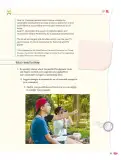
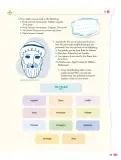
Ilustración de un estudiante meditando con burbujas que representan un apretón de manos, una mano levantada, un cerebro, un foco y una montaña con bandera; a su lado, libros, cuaderno y dispositivos.
Figura 2 image
Recuadro en blanco tipo nota para escribir.
Figura 3 image

Preguntas que la gente también hace

¿Cómo se hace una autoevaluación de participación en inglés?
Consulta la solución completa arriba o explora el libro entero para temas relacionados.
¿Qué son los acuerdos de asamblea escolar sobre el medio ambiente?
Consulta la solución completa arriba o explora el libro entero para temas relacionados.
¿Cómo escribir en inglés lo que aprendí en un proyecto?
Consulta la solución completa arriba o explora el libro entero para temas relacionados.
📌 Antes de leer esto
  • • Vocabulario básico en inglés sobre energía y medio ambiente
  • • Presente simple y verbos modales (will, would like to)
  • • Haber realizado la presentación del proyecto ante invitados
Siguiente tema sugerido
Cierre de proyecto: evaluación final y portafolio de evidencias
📝 Transcripción de la página (texto seleccionable) 1222 caracteres

Sharing and Assessing What We Learned

  1. In assembly, self-assess your participation.Use the following guidelines:

  2. Read the comments that the guests to your presentation wrote and talk about them. Share your opinions about your self-assessment.

  3. In your notebook, write about the following topics:a) What you learned.

b) What would you like to learn more about.

  1. Finally, write in your notebooks the assembly agreements reached by the community to take responsibility and take care of the environment.

X

231

![](page=0,bbox=[698, 172, 931, 284])

DescriptionYesNo
I made proposals for the activities.
My participation was always respectful.
I remembered what I knew about the topic and learned more.
Now, I am more conscious about energy saving.
I am interested in looking for sustainability projects.

![](page=0,bbox=[288, 569, 849, 1124])

Juan Pablo Dorantes Pineda, CluDAD DE NExico

![](page=0,bbox=[856, 1166, 1142, 1474])

115

4

Ad

Otros libros recomendados

Ver todos →
Ad

Usamos cookies propias y de terceros para personalizar contenido, mostrar publicidad y analizar el tráfico. Las cookies necesarias siempre están activas.