















Saltar al contenido
MisLibrosTexto
Ad

Theatrical Script About a Current Community Problem

📄 introduccion ingles 🎓 otro · 3° TELESECUNDARIA México 🇲🇽 MX 🗣 Español
Página 117
117 de 187
Página 117 de Uérakua anapu uantakua. Projects and Readings.  Libro de Educación Telesecundaria Grado 3°  Ciclo Escolar 2025 - 2026
Anterior Página 117 / 187 Siguiente

Respuesta rápida

Géneros aristotélicos: épico (verso, narrativa), lírico (emociones del yo poético) y dramático (diálogos para escena). Proyecto: guion teatral sobre un problema comunitario adaptando una historia conocida.

ingles ⭐⭐ Dificultad 2/5 ⏱ 6 min lectura

Solución — Página 117

Uérakua anapu uantakua. Projects and Readings. Libro de Educación Telesecundaria Grado 3° Ciclo Escolar 2025 - 2026

1
Ejercicio 1

In community, read the following text. / En comunidad, lean el siguiente texto.

  1. Lectura guiada del texto sobre el teatro en la antigua Grecia: se usa el diálogo para contar historias y enseñar lecciones morales; las obras serias mostraban la dignidad humana ante el destino (Edipo, Antígona) y las cómicas ridiculizaban defectos como la gula o la envidia.
  2. Identificación de la idea principal: Aristóteles fue el primer gran pensador en clasificar los textos literarios.
  3. Registro de la clasificación aristotélica en tres géneros:
    • Épico (epic genre): escrito en verso, basado en hechos reales o imaginarios; origen de la narrativa. Ejemplos: The Iliad y The Odyssey.
    • Lírico (lyrical genre): principalmente en verso, también en prosa; expresa emociones y pensamientos del "poetic self". Ejemplos: "Hombres necios que acusáis" de Sor Juana Inés de la Cruz y "Ode to Aphrodite" de Safo de Lesbos.
    • Dramático (dramatic genre): escrito en forma de diálogos para representación escénica, en prosa o verso. Ejemplos: Romeo and Juliet de William Shakespeare y Oedipus Rex de Sófocles.
  4. Reflexión final: un texto dramático ayuda a la comunidad a procesar, exponer e intentar resolver sus problemas más inmediatos y dolorosos.

Respuesta orientativa: El texto enseña que el teatro nació en Grecia como herramienta para contar historias y transmitir lecciones morales, y que Aristóteles clasificó los textos literarios en épico, lírico y dramático. El género dramático, por su forma dialógica, permite a una comunidad visibilizar y enfrentar sus problemáticas.

Paso 1

Project goal / Meta del proyecto.

Respuesta orientativa: Escribir el guion de una obra dramática en la que se aborden problemáticas comunitarias, adaptando una historia conocida. El guion debe estar en formato de diálogos para representación escénica y puede escribirse en prosa o en verso.
Contenido de la página

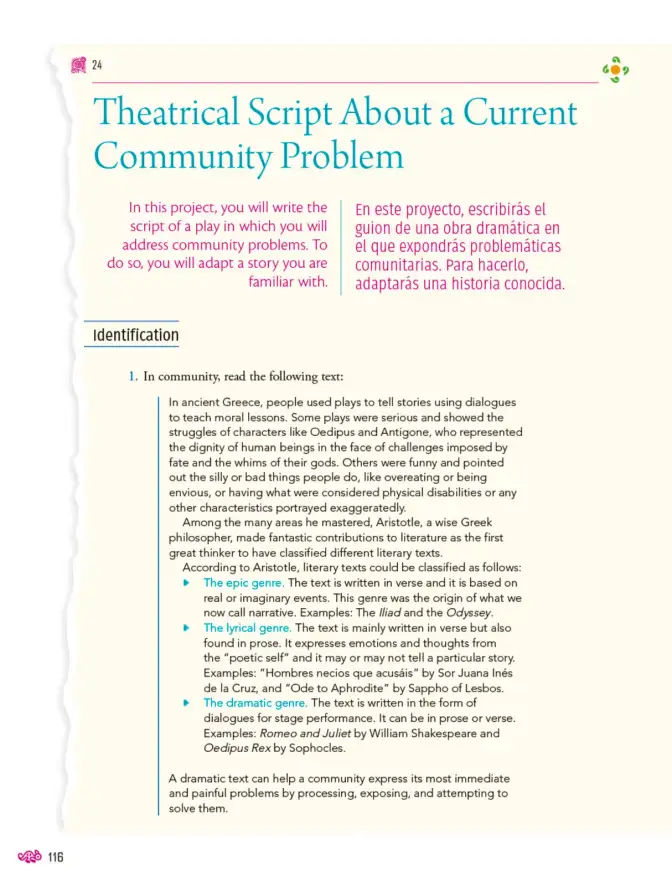
Theatrical Script About a Current Community Problem

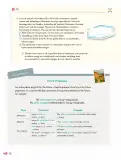
In this project, you will write the script of a play in which you will address community problems. To do so, you will adapt a story you are familiar with.

En este proyecto, escribirás el guion de una obra dramática en el que expondrás problemáticas comunitarias. Para hacerlo, adaptarás una historia conocida.

Identification

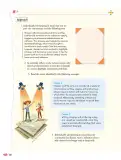
1. In community, read the following text:

In ancient Greece, people used plays to tell stories using dialogues to teach moral lessons. Some plays were serious and showed the struggles of characters like Oedipus and Antigone, who represented the dignity of human beings in the face of challenges imposed by fate and the whims of their gods. Others were funny and pointed out the silly or bad things people do, like overeating or being envious, or having what were considered physical disabilities or any other characteristics portrayed exaggeratedly.

Among the many areas he mastered, Aristotle, a wise Greek philosopher, made fantastic contributions to literature as the first great thinker to have classified different literary texts.

According to Aristotle, literary texts could be classified as follows:

  • The epic genre. The text is written in verse and it is based on real or imaginary events. This genre was the origin of what we now call narrative. Examples: The Iliad and The Odyssey.
  • The lyrical genre. The text is mainly written in verse but also found in prose. It expresses emotions and thoughts from the "poetic self" and it may or may not tell a particular story. Examples: "Hombres necios que acusáis" by Sor Juana Inés de la Cruz, and "Ode to Aphrodite" by Sappho of Lesbos.
  • The dramatic genre. The text is written in the form of dialogues for stage performance. It can be in prose or verse. Examples: Romeo and Juliet by William Shakespeare and Oedipus Rex by Sophocles.

A dramatic text can help a community express its most immediate and painful problems by processing, exposing, and attempting to solve them.

Tabla

Género Forma Contenido Ejemplos
Épico (epic) Verso Hechos reales o imaginarios; origen de la narrativa The Iliad, The Odyssey
Lírico (lyrical) Principalmente verso, también prosa Emociones y pensamientos del "poetic self" "Hombres necios que acusáis" (Sor Juana Inés de la Cruz), "Ode to Aphrodite" (Safo de Lesbos)
Dramático (dramatic) Diálogos para escena, en prosa o verso Conflictos representados por personajes Romeo and Juliet (Shakespeare), Oedipus Rex (Sófocles)

Diagrama

mindmap
  root((Literary Texts<br/>According to Aristotle))
    Epic genre
      Written in verse
      Real or imaginary events
      Origin of narrative
      The Iliad
      The Odyssey
    Lyrical genre
      Mainly verse, also prose
      Emotions of the poetic self
      Hombres necios que acusais
      Ode to Aphrodite
    Dramatic genre
      Dialogues for stage
      Prose or verse
      Romeo and Juliet
      Oedipus Rex

Glosario (12)

script
guion; texto escrito de una obra de teatro, cine o programa
play
obra de teatro
community problem
problemática comunitaria; situación que afecta a un grupo social
moral lesson
lección moral; enseñanza sobre lo correcto o incorrecto
fate
destino; fuerza que determina los acontecimientos
whims
caprichos; deseos arbitrarios e impredecibles
epic genre
género épico; texto en verso sobre hechos reales o imaginarios
lyrical genre
género lírico; expresa emociones y pensamientos del yo poético
dramatic genre
género dramático; texto en diálogos para representación escénica
poetic self
yo poético; voz que expresa sentimientos en un poema
stage performance
representación escénica; puesta en escena ante público
narrative
narrativa; género que cuenta una historia

Preguntas para practicar

What is the purpose of this project? / ¿Cuál es el propósito de este proyecto?

Escribir el guion de una obra dramática en la que se aborden problemáticas comunitarias, adaptando una historia conocida. El guion debe presentarse en forma de diálogos para representación escénica.

Why can a dramatic text help a community? / ¿Por qué un texto dramático puede ayudar a una comunidad?

Porque permite procesar, exponer y buscar soluciones a los problemas más inmediatos y dolorosos de la comunidad, al representarlos ante un público y generar reflexión colectiva.

Temas y conceptos clave

Proyecto: guion teatral sobre problemáticas comunitariasTeatro en la antigua GreciaClasificación aristotélica de los textos literariosGénero épico, lírico y dramáticotheatrical scriptcommunity problemepic genrelyrical genredramatic genrepoetic selfstage performancemoral lessons
¿Te fue útil esta página?

Preguntas que la gente también hace

¿Cuáles son los tres géneros literarios según Aristóteles?
Consulta la solución completa arriba o explora el libro entero para temas relacionados.
¿Cómo se escribe un guion de obra dramática en inglés?
Consulta la solución completa arriba o explora el libro entero para temas relacionados.
¿Qué características tiene el género dramático y en qué se diferencia del épico y el lírico?
Consulta la solución completa arriba o explora el libro entero para temas relacionados.
📌 Antes de leer esto
  • • Vocabulario básico en inglés sobre teatro y literatura
  • • Identificación de ideas principales en un texto en inglés
  • • Conocimiento general de los géneros literarios
Siguiente tema sugerido
Elementos del guion teatral: diálogos, acotaciones y estructura en tres actos
📝 Transcripción de la página (texto seleccionable) 2033 caracteres

Theatrical Script About a Current Community Problem

In this project, you will write the script of a play in which you will address community problems. To do so, you will adapt a story you are familiar with.

En este proyecto, escribirás el guion de una obra dramática en el que expondrás problemáticas comunitarias. Para hacerlo,adaptarás una historia conocida.

Identification

1. In community, read the following text:

In ancient Greece, people used plays to tell stories using dialogues to teach moral lessons. Some plays were serious and showed the struggles of characters like Oedipus and Antigone, who represented the dignity of human beings in the face of challenges imposed by fate and the whims of their gods. Others were funny and pointed out the silly or bad things people do, like overeating or being envious, or having what were considered physical disabilities or any other characteristics portrayed exaggeratedly.

Among the many areas he mastered, Aristotle, a wise Greek philosopher, made fantastic contributions to literature as the first great thinker to have classified different literary texts.

According to Aristotle, literary texts could be classified as follows:

D The epic genre. The text is written in verse and it is based on real or imaginary events. This genre was the origin of what we now call narrative. Examples: The lliad and the Odyssey.

The lyrical genre. The text is mainly written in verse but also found in prose. It expresses emotions and thoughts from the"poetic self" and it may or may not tell a particular story.Examples: "Hombres necios que acusáis" by Sor Juana Inés de la Cruz, and "Ode to Aphrodite" by Sappho of Lesbos.

The dramatic genre. The text is written in the form of dialogues for stage performance. It can be in prose or verse.Examples: Romeo and Juliet by William Shakespeare and Oedipus Rex by Sophocles.

A dramatic text can help a community express its most immediate and painful problems by processing, exposing, and attempting to solve them.

24

,

A

116

Ad

Otros libros recomendados

Ver todos →
Ad

Usamos cookies propias y de terceros para personalizar contenido, mostrar publicidad y analizar el tráfico. Las cookies necesarias siempre están activas.