

















Understanding Past Actions: The Past Perfect Tense
Respuesta rápida
a) had learned a few words in Náhuatl / they moved to a new town. b) had shared many stories about their culture / the community center closed.
Solución — Página 66
Uérakua anapu uantakua. Projects and Readings. Libro de Educación Telesecundaria Grado 3° Ciclo Escolar 2025 - 2026
Ejercicio a
My parents had learned a few words in Náhuatl before they moved to a new town. Escribe qué ocurrió primero y qué ocurrió después.
- El past perfect (had learned) marca la acción más antigua: aprender palabras en náhuatl.
- El past simple (moved) marca la acción posterior: mudarse a un nuevo pueblo.
- Por lo tanto, primero aprendieron palabras en náhuatl y después se mudaron.
Respuesta: My parents had learned a few words in Náhuatl first, and then they moved to a new town.
Ejercicio b
The older adults had shared many stories about their culture before the community center closed. Escribe qué ocurrió primero y qué ocurrió después.
- El past perfect (had shared) indica la acción anterior: compartir historias sobre su cultura.
- El past simple (closed) indica la acción posterior: el cierre del centro comunitario.
- Por lo tanto, primero compartieron las historias y después cerró el centro.
Respuesta: The older adults had shared many stories about their culture first, and then the community center closed.
Contenido de la página
Grammar
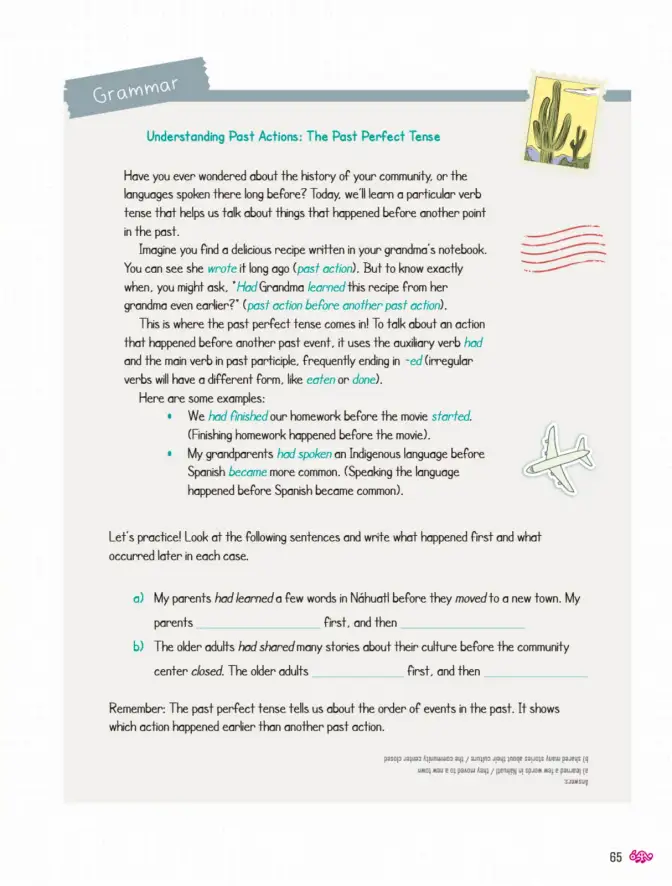
Understanding Past Actions: The Past Perfect Tense
Have you ever wondered about the history of your community, or the languages spoken there long before? Today, we'll learn a particular verb tense that helps us talk about things that happened before another point in the past.
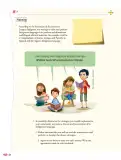
Imagine you find a delicious recipe written in your grandma's notebook. You can see she wrote it long ago (past action). But to know exactly when, you might ask, "Had Grandma learned this recipe from her grandma even earlier?" (past action before another past action).
This is where the past perfect tense comes in! To talk about an action that happened before another past event, it uses the auxiliary verb had and the main verb in past participle, frequently ending in -ed (irregular verbs will have a different form, like eaten or done).
Here are some examples:
- We had finished our homework before the movie started. (Finishing homework happened before the movie).
- My grandparents had spoken an Indigenous language before Spanish became more common. (Speaking the language happened before Spanish became common).
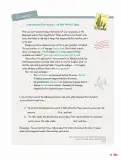
Let's practice! Look at the following sentences and write what happened first and what occurred later in each case.
a) My parents had learned a few words in Náhuatl before they moved to a new town. My parents ______________________ first, and then ______________________
b) The older adults had shared many stories about their culture before the community center closed. The older adults ______________________ first, and then ______________________
Remember: The past perfect tense tells us about the order of events in the past. It shows which action happened earlier than another past action.
Ejemplos resueltos
We had finished our homework before the movie started.
Primero terminamos la tarea (had finished) y después empezó la película (started).
My grandparents had spoken an Indigenous language before Spanish became more common.
Primero hablaron una lengua indígena (had spoken) y después el español se volvió más común (became).
Tabla
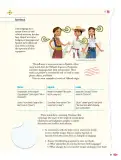
| Tiempo verbal | Estructura | Función |
|---|---|---|
| Past perfect | had + participio pasado | Acción anterior |
| Past simple | verbo en pasado | Acción posterior |
Diagrama
timeline
    title Orden de acciones en pasado
    Acción anterior (had + participio) : Aprendieron palabras en náhuatl
    Acción posterior (past simple) : Se mudaron a un nuevo pueblo
Fórmulas y ecuaciones
\text{Sujeto} + \text{had} + \text{verbo en participio pasado} + \text{complemento}
Glosario (4)
- past perfect tense
- Tiempo verbal que expresa una acción pasada ocurrida antes de otra acción también pasada; se forma con had + participio pasado.
- past participle
- Participio pasado del verbo; en verbos regulares termina en -ed (finished) y en irregulares tiene forma propia (eaten, done, spoken).
- auxiliary verb
- Verbo auxiliar que acompaña al verbo principal; en past perfect es had.
- Náhuatl
- Lengua indígena de México, hablada por el pueblo nahua.
Temas y conceptos clave
Figuras de la página (3)


Preguntas que la gente también hace
¿Cómo se forma el past perfect tense en inglés?
¿Cuál es la diferencia entre past simple y past perfect?
¿Cómo saber qué acción ocurrió primero en una oración en pasado?
- • Conjugación del verbo to have en pasado (had)
- • Formación del past simple
- • Participios pasados regulares e irregulares
📝 Transcripción de la página (texto seleccionable) 1739 caracteres
Grammar
Understanding Past Actions: The Past Perfect Tense
Have you ever wondered about the history of your community, or the languages spoken there long before? Today, we'lllearn a particular verb tense that helps us talk about things that happened before another point in the past.
Imagine you find a delicious recipe wnitten in your grandma's notebook.You can see she wroteit long ago(past action). But to know exactly when, you might ask,"Had Grandma learned this recipe from her grandma even earlier?"(past action before another past action).
This is where the past perfect tense comes in! To talk about an action that happened before another past event, it uses the auxiliary verb had and the main verb in past participle, frequently ending in -ed (irregular verbs wil have a different form, like eaten or done).
Here are some examples:
0We had finishedour homework before the movie started.(Finishing homework happened before the movie).
My grandparents had spoken an Indigenous language before Spanish became more common.(Speaking the language happened before Spanish became common).
Let's practice! Look at the following sentences and write what happened first and what occurred later in each case.
a) My parents had learned a few words in Náhuat before they moved to a new town. My parents first, and then
b)The older adults had shared many stories about their culture before the community center closed. The older adults first, and then
Remember: The past perfect tense tells us about the order of events in the past. It shows which action happened earlier than another past action.
sJamsuy


Otros libros recomendados

Colección Nanahuatzin. Lenguajes. Libro de Educación Telesecundaria Grado 3° Ciclo Escolar 2025 - 2026
SEP/CONALITEG
323 págs.
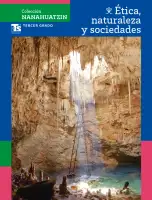
Colección Nanahuatzin. Ética, naturaleza y sociedades. Libro de Educación Telesecundaria Grado 3° Ciclo Escolar 2025 - 2026
SEP/CONALITEG
355 págs.
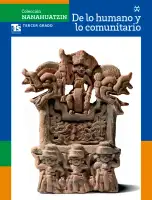
Colección Nanahuatzin. De lo humano y lo comunitario. Libro de Educación Telesecundaria Grado 3° Ciclo Escolar 2025 - 2026
SEP/CONALITEG
259 págs.
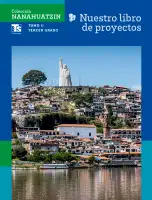
Colección Nanahuatzin. Nuestro libro de Proyectos. Tomo II. Libro de Educación Telesecundaria Grado 3° Ciclo Escolar 2025 - 2026
SEP/CONALITEG
275 págs.
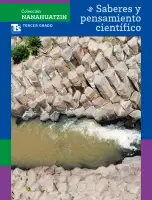
Colección Nanahuatzin. Saberes y pensamiento científico. Libro de Educación Telesecundaria Grado 3° Ciclo Escolar 2025 - 2026
SEP/CONALITEG
339 págs.
Colección Nanahuatzin. Nuestro libro de Proyectos. Tomo I. Libro de Educación Telesecundaria Grado 3° Ciclo Escolar 2025 - 2026
SEP/CONALITEG
299 págs.
Colección Nanahuatzin. Nuestro libro de Proyectos. Tomo III. Libro de Educación Telesecundaria Grado 3° Ciclo Escolar 2025 - 2026
SEP/CONALITEG
291 págs.
Colección Nanahuatzin. Múltiples lenguajes. Libro de Educación Telesecundaria Grado 3° Ciclo Escolar 2025 - 2026
SEP/CONALITEG
163 págs.