Saltar al contenido
MisLibrosTexto
Ad

Reading: Oliver and Julie – Human Rights and Relative Pronouns

📄 ejercicios ingles 🎓 otro · 3° TELESECUNDARIA México 🇲🇽 MX 🗣 Español
Página 73
73 de 187
Página 73 de Uérakua anapu uantakua. Projects and Readings.  Libro de Educación Telesecundaria Grado 3°  Ciclo Escolar 2025 - 2026
Anterior Página 73 / 187 Siguiente

Respuesta rápida

2.a Julie; 2.b Oliver; 2.c Oliver; 2.d Julie; 2.e Julie. 4. whose, whom, who, which, who.

📚 exercise ingles ⭐⭐ Dificultad 2/5 ⏱ 10 min lectura

Solución — Página 73

Uérakua anapu uantakua. Projects and Readings. Libro de Educación Telesecundaria Grado 3° Ciclo Escolar 2025 - 2026

1
Ejercicio 1

Read the following stories about two young employees who promote young people's human rights.

Oliver: College graduate, works at a law firm. His boss values young people's opinions, lets them express proposals freely, gives positive feedback and corrects politely. Oliver hopes all young people can express their ideas.

Julie: University student with a part-time security guard job. She knows many young people lack a safe environment. The streets are dangerous and full of homeless people, people with health problems and without jobs. Her team forms protection and support brigades for vulnerable people.

Respuesta

Textos leídos y comprendidos.

2
Ejercicio 2

Who is described in each sentence? Mark (X) the correct boxes.

a
Parte 2.a

This young person defends security and social protection.

  1. Julie mentions security guard job and protection brigades.
  2. Oliver talks about freedom of expression, not security.
Respuesta

Julie (X)

b
Parte 2.b

This young person promotes freedom of expression.

  1. Oliver says he hopes all young people can express their ideas.
  2. Julie focuses on security and social protection.
Respuesta

Oliver (X)

c
Parte 2.c

This person has a very supportive boss.

  1. Oliver describes his boss as considerate and supportive.
  2. Julie does not mention a boss.
Respuesta

Oliver (X)

d
Parte 2.d

This person has a job whose function is to protect others.

  1. Julie works as a security guard.
  2. Oliver works in a law firm, not directly protecting others.
Respuesta

Julie (X)

e
Parte 2.e

This person has participated in brigades which have provided support to people in need.

  1. Julie says her team forms protection and support brigades.
  2. Oliver does not mention brigades.
Respuesta

Julie (X)

3
Ejercicio 3

Check your answers in communities. Then, check them in assembly.

Respuesta orientativa: Se comparan respuestas en equipo y luego en plenaria, justificando con citas del texto.

Ad
4
Ejercicio 4

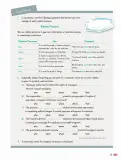
Reread the texts. Underline the relative pronouns who, whose, whom, which, and that.

  1. Oliver: "whose career", "to whom the firm belongs".
  2. Julie: "who can develop", "which can be dangerous", "who are homeless".
Respuesta

Pronombres relativos subrayados: whose, whom, who, which, who.

Contenido de la página

Reading

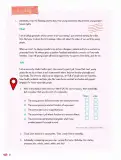
  1. Individually, read the following stories about two young employees who promote young people's human rights.

Oliver

I am a college graduate whose career is very promising. I just started working for a law firm. My boss, to whom the firm belongs, talks a lot about the value of our world as young people.

When we meet, he always considers my and my colleagues' opinions and lets us express our proposals freely. He always gives us positive feedback and politely corrects us if we make mistakes. I hope all young people will have an opportunity to express their ideas, just like me.

Julie

I am a university student with a part-time security guard job. I know that most young people like me do not have a safe environment where they can develop physically and emotionally. The streets, which can be dangerous, are full of people who are homeless, have health problems, and lack jobs. My team forms constant protection and support brigades for these vulnerable people.

  1. Who is described in each sentence? Mark (X) the correct boxes. Work individually, but remember that you are part of a community.

a) This young person defends security and social protection. b) This young person promotes freedom of expression. c) This person has a very supportive boss. d) This person has a job whose function is to protect others. e) This person has participated in brigades which have provided support to people in need.

  1. Check your answers in communities. Then, check them in assembly.

  2. Individually, considering everyone else, reread the texts. Underline the relative pronouns who, whose, whom, which, and that.

Glosario (6)

law firm
bufete de abogados
security guard
guardia de seguridad
brigades
brigadas
vulnerable
vulnerable
homeless
sin hogar
relative pronouns
pronombres relativos

Preguntas para practicar

¿Qué derechos humanos se promueven en los textos?

El derecho a la libertad de expresión y a un entorno seguro y protegido para los jóvenes.

Temas y conceptos clave

Reading comprehensionRelative pronounsHuman rightswhowhosewhomwhichthatsecurityfreedom of expression
¿Te fue útil esta página?

Figuras de la página (3)

Líneas decorativas rojas
Figura 1 image
Icono de marcador de mapa rojo
Figura 2 image
Texto pequeño con respuestas: 'Answers: a) Julie, b) Oliver, c) Oliver, d) Julie, e) Julie'
Figura 3 image

Preguntas que la gente también hace

¿Qué son los pronombres relativos en inglés y cómo se usan?
Consulta la solución completa arriba o explora el libro entero para temas relacionados.
¿Cómo identificar la idea principal en una lectura en inglés?
Consulta la solución completa arriba o explora el libro entero para temas relacionados.
¿Qué derechos humanos se mencionan en los textos de Oliver y Julie?
Consulta la solución completa arriba o explora el libro entero para temas relacionados.
📌 Antes de leer esto
  • • Vocabulario básico en inglés
  • • Presente simple
  • • Identificación de sujetos y verbos
Siguiente tema sugerido
Uso de pronombres relativos en oraciones compuestas
📝 Transcripción de la página (texto seleccionable) 1753 caracteres

Reading

1.1Individually, read the following stories about two young employees who promote young people's human rights.

Oliver

I am a college graduate whose career is very promising. I just started working for a law firm. My boss, to whom the firm belongs, talks a lot about the value of our world as young people.

When we meet, he always considers my and my colleagues'opinions and lets us express our proposals freely. He always gives us positive feedback and politely corrects us if we make mistakes. I hope all young people will have an opportunity to express their ideas, just like me.

Julie

I am a university student with a part-time security guard job. I know that most young people like me do not have a safe environment where they can develop physically and emotionally. The streets, which can be dangerous, are full of people who are homeless,have health problems, and lack jobs. My team forms constant protection and support brigades for these vulnerable people.

  1. Who is described in each sentence? Mark (X) the correct boxes. Work individually.but remember that you are part of a community.

a) This young person defends security and social protection.

b) This young person promotes freedom of expression.

c) This person has a very supportive boss.

d)This person has a job whose function is to protect others.

e)This person has participated in brigades which have provided support to people in need.

3. Check your answers in communities. Then, check them in assembly.

  1. Individually, considering everyone else, reread the texts. Underline the relative pronouns who, whose, whom, which, and that.

![](page=0,bbox=[878, 234, 1033, 322])

![](page=0,bbox=[94, 773, 173, 900])

![](page=0,bbox=[830, 943, 977, 1198])

72

Ad

Otros libros recomendados

Ver todos →
Ad

Usamos cookies propias y de terceros para personalizar contenido, mostrar publicidad y analizar el tráfico. Las cookies necesarias siempre están activas.