















Saltar al contenido
MisLibrosTexto
Ad

Following Through / Recording the Experience: organizing discussion forums on human rights

📄 ejercicios ingles 🎓 otro · 3° TELESECUNDARIA México 🇲🇽 MX 🗣 Español
Página 79
79 de 187
Página 79 de Uérakua anapu uantakua. Projects and Readings.  Libro de Educación Telesecundaria Grado 3°  Ciclo Escolar 2025 - 2026
Anterior Página 79 / 187 Siguiente

Respuesta rápida

Pasos a–f: nombrar foros, recolectar datos, reglas, roles, tarjetas y espacio. Registro: organizar, anotar ideas y realizar dos foros. Respuestas guía: ciudadanos protegen derechos; sociedad se organiza en comités y redes; OSC/ONG sin fines de lucro; jóvenes difunden y denuncian.

📚 exercise ingles ⭐⭐ Dificultad 2/5 ⏱ 8 min lectura

Solución — Página 79

Uérakua anapu uantakua. Projects and Readings. Libro de Educación Telesecundaria Grado 3° Ciclo Escolar 2025 - 2026

1
Ejercicio 1

In community, define the steps to follow (a–f).

a
Parte 1.a

Give a name to each discussion, considering the problem you will address.

Respuesta orientativa: Cada foro recibe un nombre claro y motivador ligado al problema. Ejemplos: "Our Rights, Our Voice" (derechos de la niñez), "No Discrimination at School" (igualdad), "Water is Life" (derecho al agua). El nombre debe ser corto, en inglés y comprensible para toda la comunidad.

b
Parte 1.b

Collect the information you obtained during your investigation and what you know about the topic.

Respuesta orientativa: Reunir en una carpeta: notas de investigación, artículos de la Constitución y de la CNDH, noticias, encuestas, testimonios y datos locales. Clasificar por subtemas (derecho a la educación, a la salud, a la no discriminación) y citar la fuente de cada dato.

c
Parte 1.c

Establish rules for the discussion forums, including turns to speak and proper language, among others.

Respuesta orientativa: Reglas sugeridas: 1) levantar la mano para pedir la palabra; 2) un turno por persona, máximo 2 minutos; 3) lenguaje respetuoso, sin burlas ni gritos; 4) escuchar sin interrumpir; 5) criticar ideas, no personas; 6) confidencialidad de lo compartido.

d
Parte 1.d

Assign roles and responsibilities to participants.

Respuesta orientativa: Roles: moderator (da la palabra y controla el tiempo), presenter (expone las conclusiones), question collector (recibe preguntas del público), minute-taker (escribe la minuta), timekeeper (avisa los tiempos) y materials manager (tarjetas y carteles).

e
Parte 1.e

Prepare information cards to support your contributions.

Respuesta orientativa: Cada tarjeta (media cartulina) lleva: título del argumento, 3 datos o cifras con fuente, una cita breve y una imagen. Sirven como guion visual para exponer sin leer y para responder preguntas con datos.

f
Parte 1.f

Prepare the physical space where you will have the in-person discussion.

Respuesta orientativa: Aula o patio con sillas en semicírculo, mesa para el moderador, cartel de bienvenida, tarjetas visibles, agua y un espacio accesible. Enviar invitaciones a familias, docentes y miembros de la comunidad escolar.

2
Ejercicio 2

Recording the Experience (pasos 1–3).

2
Ejercicio 2

1

In community, organize the discussions as planned.

Respuesta orientativa: Ejecutar el foro siguiendo el guion: bienvenida, presentación de reglas, exposición de argumentos, ronda de preguntas y cierre con conclusiones. Registrar asistencia y hora de inicio y fin.

Ad
2
Ejercicio 2

2

Follow an order of participation and write the most important ideas in your notebook.

Respuesta orientativa: Anotar en el cuaderno, en orden: nombre del participante, idea principal, dato o ejemplo citado y acuerdo alcanzado. Al final, subrayar las tres ideas más repetidas para redactar la minuta.

2
Ejercicio 2

3

Suggest having a first discussion among students and a second one with the community.

Respuesta orientativa: El primer foro entre estudiantes permite ensayar argumentos y detectar dudas; el segundo, con padres y comunidad, amplía perspectivas y compromisos. Ambos se realizan con las mismas reglas, en armonía y buen ambiente.

2
Ejercicio 2

3.a

What is the citizens' role in protecting human rights?

Respuesta orientativa: Los ciudadanos deben conocer sus derechos, respetar los de los demás, denunciar violaciones ante las autoridades y participar en la vida pública (voto, consultas, comités vecinales). La protección de los derechos humanos es responsabilidad compartida entre Estado y sociedad.

Ad
2
Ejercicio 2

3.b

How can society get organized?

Respuesta orientativa: Mediante comités vecinales, cooperativas, asociaciones civiles, redes sociales de apoyo y participación en presupuestos participativos. La organización requiere objetivos comunes, reglas claras, roles definidos y comunicación constante.

2
Ejercicio 2

3.c

What are foundations, trusts, associations, networks, non-governmental organizations and civil society organizations?

Respuesta orientativa: Son formas de organización social sin fines de lucro: foundations (fundaciones con patrimonio propio), trusts (fideicomisos), associations (asociaciones civiles), networks (redes de organizaciones), NGOs (organizaciones no gubernamentales) y CSOs (organizaciones de la sociedad civil). Todas buscan el bien común y defienden derechos.

2
Ejercicio 2

3.d

What is the role of young people in promoting and protecting human rights?

Respuesta orientativa: Los jóvenes difunden información en redes y escuelas, participan en voluntariados, denuncian injusticias y proponen soluciones. Su creatividad y cercanía con otros jóvenes los convierte en agentes de cambio en la cultura de paz y derechos humanos.

Contenido de la página

Following Through

The tasks to complete for the forums must be in accordance with the classroom community's characteristics, context, and school.

In community, define the steps to follow:

a) Give a name to each discussion, considering the problem you will address.

b) Collect the information you obtained during your investigation and what you know about the topic.

c) Establish rules for the discussion forums, including turns to speak and proper language, among others.

d) Assign roles and responsibilities to participants, such as a moderator to coordinate the contributions so everybody speaks. You can also choose a presenter and someone to collect questions from the audience. Remember to assign someone to write the minutes of the discussion.

e) Prepare information cards to support your contributions. They will help you organize your arguments and give an informed presentation.

f) Prepare the physical space where you will have the in-person discussion. You may invite members of the school community and your families.

Recording the Experience

Remember to follow the rules and ensure everyone has a chance to express their ideas. Try to discuss the matter constructively and respect other members' opinions.

  1. In community, organize the discussions as planned.

  2. Follow an order of participation and write the most important ideas in your notebook.

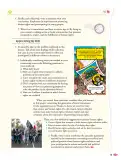
  3. Suggest having a first discussion among students and a second one with the community, with students and parents presenting their arguments about the problem and the importance of doing it in an organized manner, in harmony, and in a good atmosphere. You may use the following questions as a guide:

a) What is the citizens' role in protecting human rights?

b) How can society get organized?

c) What are foundations, trusts, associations, networks, non-governmental organizations and civil society organizations?

d) What is the role of young people in promoting and protecting human rights?

Tabla

Rol Responsabilidad
Moderator Da la palabra y controla el tiempo
Presenter Expone las conclusiones
Question collector Recibe preguntas del público
Minute-taker Escribe la minuta
Timekeeper Avisa los tiempos
Materials manager Cuida tarjetas y carteles

Diagrama

flowchart TD
A[Following Through] --> B[Nombrar foros]
A --> C[Recolectar información]
A --> D[Establecer reglas]
A --> E[Asignar roles]
A --> F[Preparar tarjetas]
A --> G[Preparar espacio]
H[Recording the Experience] --> I[Organizar foros]
H --> J[Anotar ideas]
H --> K[Foro estudiantes + comunidad]
K --> L[Preguntas guía a-d]

Glosario (7)

Following Through
Llevar a cabo / dar seguimiento a lo planeado.
forum
Foro: reunión donde se discute un tema públicamente.
moderator
Moderador: persona que coordina los turnos de palabra.
minutes
Minuta: registro escrito de lo tratado en una reunión.
trust
Fideicomiso: patrimonio administrado para un fin determinado.
NGO
Organización no gubernamental sin fines de lucro.
civil society organizations
Organizaciones de la sociedad civil que buscan el bien común.

Preguntas para practicar

What is the citizens' role in protecting human rights?

Conocer, respetar y denunciar violaciones a los derechos humanos, además de participar en la vida pública.

How can society get organized?

A través de comités, asociaciones, redes y participación ciudadana con objetivos y reglas comunes.

What are foundations, trusts, associations, networks, NGOs and civil society organizations?

Formas de organización social sin fines de lucro que buscan el bien común y defienden derechos.

What is the role of young people in promoting and protecting human rights?

Difundir información, participar en voluntariados, denunciar injusticias y proponer soluciones.

Temas y conceptos clave

Organización de foros de discusiónDerechos humanosParticipación ciudadana y juvenilSociedad civil organizadamoderatorminute-takerinformation cardshuman rightscivil society organizationsNGOs

Fuentes y referencias

  • Constitución Política de los Estados Unidos Mexicanos
  • Comisión Nacional de los Derechos Humanos (CNDH)
  • UNICEF: derechos de la niñez
¿Te fue útil esta página?

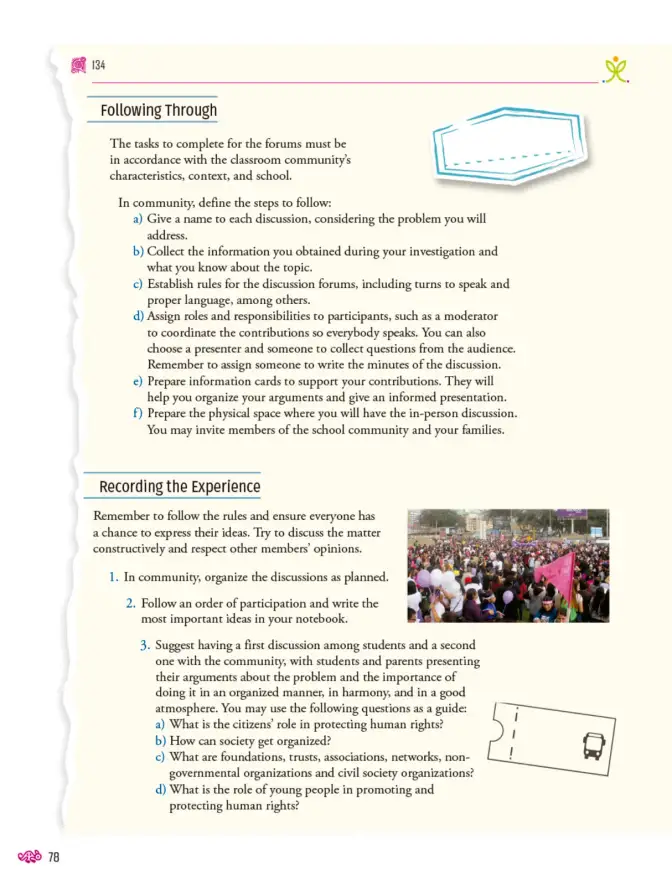
Figuras de la página (3)

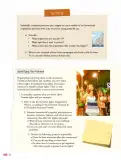
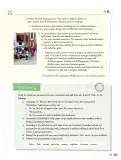
Recuadro hexagonal vacío con líneas punteadas, tipo etiqueta para escribir.
Figura 1 image
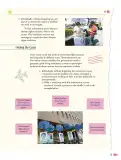
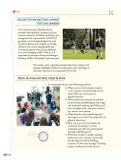
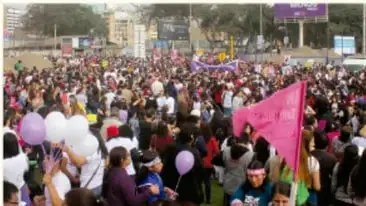
Fotografía de una multitud en una marcha o concentración con globos y pancartas.
Figura 2 image
Ilustración de un boleto o ticket con un autobús dibujado.
Figura 3 image

Preguntas que la gente también hace

¿Cómo se organiza un foro de discusión sobre derechos humanos en la escuela?
Consulta la solución completa arriba o explora el libro entero para temas relacionados.
¿Qué roles se asignan en un debate escolar?
Consulta la solución completa arriba o explora el libro entero para temas relacionados.
¿Cuál es el papel de los jóvenes en la protección de los derechos humanos?
Consulta la solución completa arriba o explora el libro entero para temas relacionados.
📌 Antes de leer esto
  • • Vocabulario básico en inglés sobre derechos humanos
  • • Conocimiento de los derechos humanos fundamentales
  • • Habilidad para redactar argumentos breves
Siguiente tema sugerido
Evaluación del proyecto comunitario y redacción de la minuta final
📝 Transcripción de la página (texto seleccionable) 2107 caracteres

Following Through

The tasks to complete for the forums must be in accordance with the classroom community's characteristics, context, and school.

In community, define the steps to follow:

a) Give a name to each discussion, considering the problem you will address.

b) Collect the information you obtained during your investigation and what you know about the topic.

c) Establish rules for the discussion forums, including turns to speak and proper language, among others.

d) Assign roles and responsibilities to participants, such as a moderator to coordinate the contributions so everybody speaks. You can also choose a presenter and someone to collect questions from the audience.Remember to assign someone to write the minutes of the discussion.

e) Prepare information cards to support your contributions. They will help you organize your arguments and give an informed presentation.

f) Prepare the physical space where you will have the in-person discussion.You may invite members of the school community and your families.

Recording the Experience

Remember to follow the rules and ensure everyone has a chance to express their ideas. Try to discuss the matter constructively and respect other members' opinions.

  1. In community, organize the discussions as planned.

  2. Follow an order of participation and write the most important ideas in your notebook.

  3. Suggest having a first discussion among students and a second one with the community, with students and parents presenting their arguments about the problem and the importance of doing it in an organized manner, in harmony, and in a good atmosphere. You may use the following questions as a guide:a) What is the citizens' role in protecting human rights?

b) How can society get organized?

c) What are foundations, trusts, associations, networks, nongovernmental organizations and civil society organizations?d) What is the role of young people in promoting and protecting human rights?

134

灾

![](page=0,bbox=[779, 187, 1068, 339])

![](page=0,bbox=[733, 916, 1099, 1122])

![](page=0,bbox=[876, 1264, 1110, 1402])

乐

78

Ad

Otros libros recomendados

Ver todos →
Ad

Usamos cookies propias y de terceros para personalizar contenido, mostrar publicidad y analizar el tráfico. Las cookies necesarias siempre están activas.