Saltar al contenido
MisLibrosTexto
Ad

Appreciating My Path: compromiso y reflexión sobre los derechos humanos

📄 ejercicios educacion-ciudadania 🎓 otro · 3° TELESECUNDARIA México 🇲🇽 MX 🗣 Español
Página 80
80 de 187
Página 80 de Uérakua anapu uantakua. Projects and Readings.  Libro de Educación Telesecundaria Grado 3°  Ciclo Escolar 2025 - 2026
Anterior Página 80 / 187 Siguiente

Respuesta rápida

Compromiso colectivo firmado; reflexión personal sobre lo aprendido, su aplicación, causas y consecuencias de las violaciones, cooperación y formas de actuar; registro de acuerdos de asamblea.

📚 exercise educacion-ciudadania ⭐⭐ Dificultad 2/5 ⏱ 6 min lectura

Solución — Página 80

Uérakua anapu uantakua. Projects and Readings. Libro de Educación Telesecundaria Grado 3° Ciclo Escolar 2025 - 2026

4
Ejercicio 4

Finally, and collectively, write a statement with your conclusions. Emphasize the importance of protecting human rights and participating for young people.

  1. Reunir las conclusiones del proyecto (casos reales, causas, consecuencias y propuestas).
  2. Redactar un enunciado colectivo que destaque la protección de los derechos humanos y la participación juvenil.
  3. Revisar que el texto incluya: problema, hallazgos, propuestas y llamado a la acción.

Respuesta orientativa: «Nosotros, estudiantes de tercer grado, concluimos que los derechos humanos se vulneran cuando hay discriminación, violencia y falta de información. Por eso nos comprometemos a participar, denunciar y difundir el respeto a los derechos de todas las personas, especialmente de niños y adolescentes.»

5
Ejercicio 5

Write it as a commitment and have everyone sign it.

  1. Convertir el enunciado en un compromiso con verbos de acción: «nos comprometemos a…».
  2. Dejar un espacio para nombre y firma de cada integrante.
  3. Firmar el documento como símbolo de responsabilidad compartida.

Respuesta orientativa: El compromiso firmado obliga moralmente a actuar para construir comunidades que promuevan la cooperación, el respeto y el cumplimiento de los derechos humanos.

Appreciating My Path

1
Ejercicio 1

In assembly, take up the problem addressed in this project.

Respuesta orientativa: En asamblea se presenta el problema investigado (por ejemplo, violencia escolar o trabajo infantil), se comparten los casos reales recogidos en la comunidad y se contrastan con lo leído en documentos de referencia como la Constitución y la Convención sobre los Derechos del Niño.

a
Parte 1.a

What did I learn?

Respuesta orientativa: Aprendí que los derechos humanos son universales, que existen leyes que los protegen y que la sociedad organizada, mediante movimientos sociales, ha logrado su reconocimiento.

b
Parte 1.b

How can I apply what I learned to address problems in my community?

Respuesta orientativa: Puedo aplicar lo aprendido informando a mis vecinos, promoviendo campañas de respeto y canalizando denuncias ante las autoridades correspondientes.

c
Parte 1.c

Can I recognize the causes and consequences of human rights violations in different situations?

Respuesta orientativa: Sí. Las causas suelen ser la desigualdad, la ignorancia y la impunidad; las consecuencias son el daño físico o emocional, la exclusión y la pérdida de confianza en las instituciones.

d
Parte 1.d

Did I cooperate with my community by sharing my points of view and presenting proposals to solve the problem in the discussion forum?

Respuesta orientativa: Sí, al participar en el foro aporté opiniones, escuché a los demás y presenté propuestas como crear un buzón de denuncias o una red de alerta digital.

e
Parte 1.e

How can I address situations in which human rights are violated?

Respuesta orientativa: Identificando la violación, documentándola, informando a un adulto de confianza o a la autoridad competente y difundiendo los mecanismos de protección existentes.

Ad
3
Ejercicio 3

Finally, write in your notebooks the assembly agreements reached by the community concerning your ethical and political position about human rights violations, and your participation in actions and social and political movements to promote and protect them.

  1. Registrar los acuerdos tomados en asamblea.
  2. Definir la postura ética y política del grupo frente a las violaciones de derechos.
  3. Anotar las acciones y movimientos sociales en los que se participará.

Respuesta orientativa: Los acuerdos pueden incluir: no callar ante abusos, respetar a todos por igual, participar en marchas pacíficas y difundir información veraz sobre derechos humanos.

Contenido de la página

  1. Finally, and collectively, write a statement with your conclusions. Emphasize the importance of protecting human rights and participating for young people.

  2. Write it as a commitment and have everyone sign it. By doing so, you commit to taking action to build communities that promote cooperation, respect, and the fulfillment of human rights.

Appreciating My Path

  1. In assembly, take up the problem addressed in this project. Talk about your findings while collecting real cases in your community based on what you investigated in different reference documents.

  2. Individually, considering what you worked in your community, answer the following questions in your notebook.

a) What did I learn?

b) How can I apply what I learned to address problems in my community?

c) Can I recognize the causes and consequences of human rights violations in different situations?

d) Did I cooperate with my community by sharing my points of view and presenting proposals to solve the problem in the discussion forum?

e) How can I address situations in which human rights are violated?

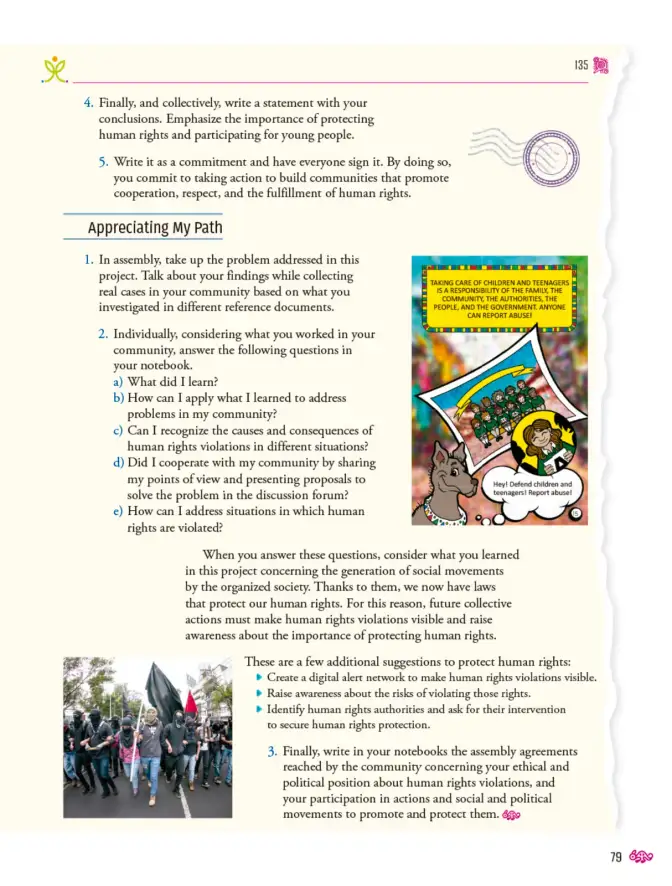
When you answer these questions, consider what you learned in this project concerning the generation of social movements by the organized society. Thanks to them, we now have laws that protect our human rights. For this reason, future collective actions must make human rights violations visible and raise awareness about the importance of protecting human rights.

These are a few additional suggestions to protect human rights:

  • Create a digital alert network to make human rights violations visible.
  • Raise awareness about the risks of violating those rights.
  • Identify human rights authorities and ask for their intervention to secure human rights protection.
  1. Finally, write in your notebooks the assembly agreements reached by the community concerning your ethical and political position about human rights violations, and your participation in actions and social and political movements to promote and protect them.

Glosario (6)

human rights
derechos humanos: facultades inherentes a toda persona por el hecho de serlo.
statement
declaración o enunciado escrito que expresa una postura.
commitment
compromiso: obligación moral que se asume voluntariamente.
assembly
asamblea: reunión de personas para deliberar y tomar acuerdos.
awareness
conciencia o sensibilización sobre un problema.
abuse
abuso: maltrato o uso indebido del poder contra una persona.

Preguntas para practicar

What did I learn?

Que los derechos humanos son universales y que la sociedad organizada ha logrado leyes que los protegen.

How can I apply what I learned to address problems in my community?

Informando, promoviendo campañas de respeto y canalizando denuncias ante las autoridades.

Can I recognize the causes and consequences of human rights violations in different situations?

Sí: causas como desigualdad e impunidad; consecuencias como daño emocional, exclusión y desconfianza institucional.

Did I cooperate with my community by sharing my points of view and presenting proposals to solve the problem in the discussion forum?

Sí, al aportar opiniones, escuchar a los demás y proponer acciones como un buzón de denuncias.

How can I address situations in which human rights are violated?

Identificando la violación, documentándola, informando a un adulto o autoridad y difundiendo los mecanismos de protección.

Temas y conceptos clave

Protección de los derechos humanosParticipación juvenilCompromiso socialAsamblea y acuerdos comunitariosderechos humanoscompromisoasambleamovimiento socialdenunciaparticipación

Fuentes y referencias

  • Declaración Universal de los Derechos Humanos
  • Convención sobre los Derechos del Niño
  • Constitución Política de los Estados Unidos Mexicanos
¿Te fue útil esta página?

Figuras de la página (3)

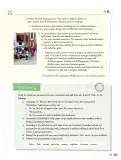
Sello postal con la leyenda «Derechos Humanos» y una paloma, símbolo de paz.
Figura 1 image
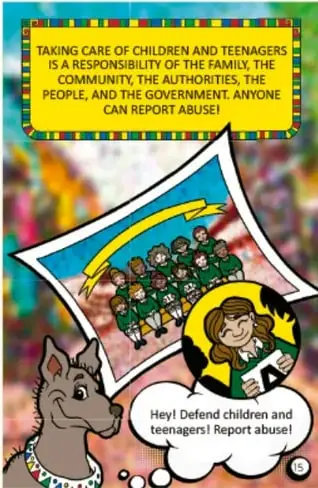
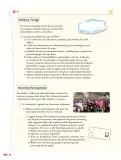
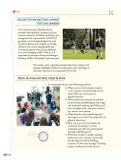
Cartel con el texto «TAKING CARE OF CHILDREN AND TEENAGERS IS A RESPONSIBILITY OF THE FAMILY, THE COMMUNITY, THE AUTHORITIES, THE PEOPLE, AND THE GOVERNMENT. ANYONE CAN REPORT ABUSE!» junto a una niña y un perro que dice «Hey! Defend children and teenagers! Report abuse!».
Figura 2 image
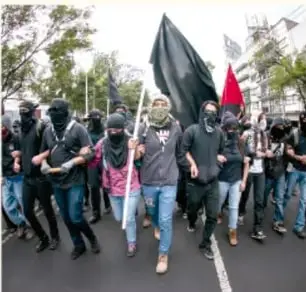
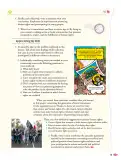
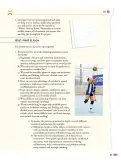
Fotografía de una marcha con personas encapuchadas portando banderas negras y rojas.
Figura 3 image

Preguntas que la gente también hace

¿Cómo se redacta un compromiso colectivo sobre derechos humanos?
Consulta la solución completa arriba o explora el libro entero para temas relacionados.
¿Qué son los movimientos sociales y cómo protegen los derechos humanos?
Consulta la solución completa arriba o explora el libro entero para temas relacionados.
¿Cómo puede un adolescente denunciar una violación de derechos humanos?
Consulta la solución completa arriba o explora el libro entero para temas relacionados.
📌 Antes de leer esto
  • • Conocer la Declaración Universal de los Derechos Humanos
  • • Identificar problemas sociales de la comunidad
  • • Manejar el concepto de participación democrática
Siguiente tema sugerido
Evaluación del proyecto y presentación de resultados ante la comunidad escolar
📝 Transcripción de la página (texto seleccionable) 2142 caracteres
  1. Finally, and collectively, write a statement with your conclusions. Emphasize the importance of protecting human rights and participating for young people.

  2. Write it as a commitment and have everyone sign it. By doing so,you commit to taking action to build communities that promote cooperation, respect, and the fulfillment of human rights.

Appreciating My Path

  1. In assembly, take up the problem addressed in this project. Talk about your findings while collecting real cases in your community based on what you investigated in different reference documents.

  2. Individually, considering what you worked in your community, answer the following questions in your notebook.

a) What did I learn?

b) How can I apply what I learned to address problems in my community?

Can I recognize the causes and consequences of human rights violations in different situations?

d) Did I cooperate with my community by sharing my points of view and presenting proposals to solve the problem in the discussion forum?

e) How can I address situations in which human rights are violated?

When you answer these questions, consider what you learned in this project concerning the generation of social movements by the organized society. Thanks to them, we now have laws that protect our human rights. For this reason, future collective actions must make human rights violations visible and raise awareness about the importance of protecting human rights.

These are a few additional suggestions to protect human rights:Create a digital alert network to make human rights violations visible.

Raise awareness about the risks of violating those rights.

Identify human rights authorities and ask for their intervention to secure human rights protection.

  1. Finally, write in your notebooks the assembly agreements reached by the community concerning your ethical and political position about human rights violations, and your participation in actions and social and political movements to promote and protect them.

灾

135

![](page=0,bbox=[741, 460, 1059, 948])

![](page=0,bbox=[843, 228, 1046, 336])

![](page=0,bbox=[113, 1182, 419, 1474])

79
Ad

Otros libros recomendados

Ver todos →
Ad

Usamos cookies propias y de terceros para personalizar contenido, mostrar publicidad y analizar el tráfico. Las cookies necesarias siempre están activas.