Ejercicio 1
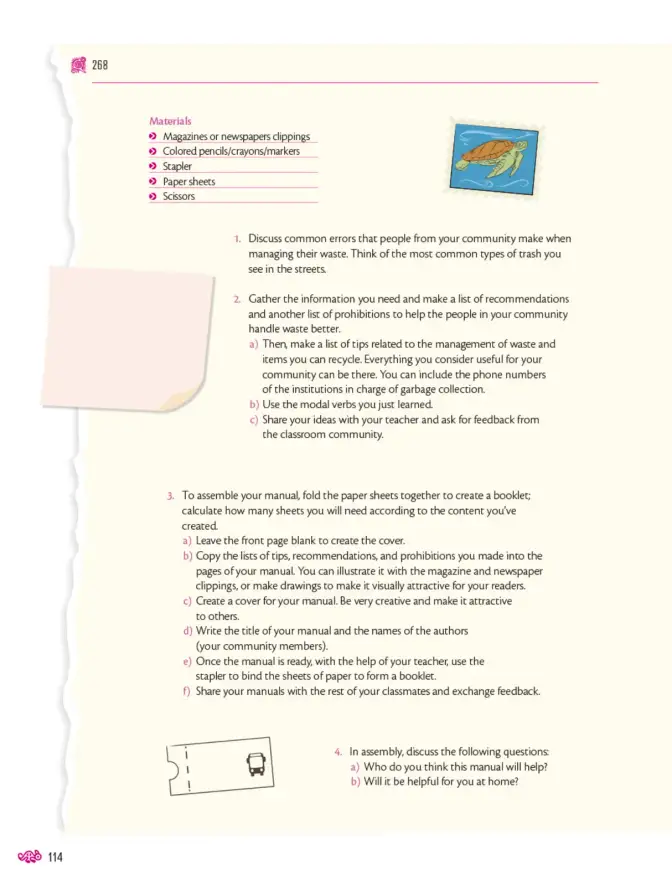
Materiales (traducción)
- Recortes de revistas o periódicos.
- Lápices de colores, crayones o marcadores.
- Engrapadora.
- Hojas de papel.
- Tijeras.
 MisLibrosTexto
 Prueba nacional
TransformarPor universidad (27)
 ESPE — Universidad de las Fuerzas Armadas ESPE
 ESPOCH — Escuela Superior Politécnica de Chimborazo
 ESPOL — Escuela Superior Politécnica del Litoral IKIAM — Universidad Regional Amazónica Ikiam
 UCE — Universidad Central del Ecuador
 UCUENCA — Universidad de Cuenca UEA — Universidad Estatal Amazónica
 UEB — Universidad Estatal de Bolívar
 UG — Universidad de Guayaquil
 ULEAM — Universidad Laica Eloy Alfaro de Manabí
 UNACH — Universidad Nacional de Chimborazo
 UNAE — Universidad Nacional de Educación
 UNEMI — Universidad Estatal de Milagro
 UNESUM — Universidad Estatal del Sur de Manabí UNL — Universidad Nacional de Loja
 UPEC — Universidad Politécnica Estatal del Carchi
 UPSE — Universidad Estatal Península de Santa Elena UTA — Universidad Técnica de Ambato UTB — Universidad Técnica de Babahoyo UTC — Universidad Técnica de Cotopaxi
 UTELVT — Universidad Técnica Luis Vargas Torres de Esmeraldas
 UTEQ — Universidad Técnica Estatal de Quevedo
 UTM — Universidad Técnica de Manabí UTMACH — Universidad Técnica de Machala UTN — Universidad Técnica del Norte MisLibrosTexto
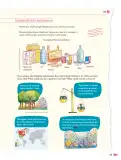
3 hojas dobladas producen 12 páginas (4 por hoja). Listas de consejos, recomendaciones (may, must) y prohibiciones (must not, can't) con teléfonos de acopio; el manual ayudará a familias y vecinos y también será útil en casa.
Uérakua anapu uantakua. Projects and Readings Libro de Educación Secundaria Grado 1° Ciclo Escolar 2025 - 2026
Enunciado traducido: comenta los errores comunes que cometen las personas de tu comunidad al manejar sus residuos. Piensa en los tipos de basura más comunes que ves en las calles.
Respuesta orientativa: Los errores más comunes son mezclar orgánicos con reciclables, tirar colillas y envases en la vía pública, no bajar los residuos en días de recolección y quemar basura de jardín; la basura más frecuente en las calles son bolsas y botellas de plástico, papelitos de comida y cartón.
Enunciado traducido: reúne la información necesaria y haz una lista de recomendaciones y otra de prohibiciones para ayudar a tu comunidad a manejar mejor los residuos.
Respuesta orientativa: 1) Separa orgánicos e inorgánicos desde casa. 2) Enjuaga y aplasta botellas y latas antes de depositarlas. 3) Composta los restos de comida. 4) Lleva pilas y electrónicos al punto de acopio. 5) Incluye teléfonos útiles: servicio de limpia municipal (ej. 443-000-0000) y centro de acopio local.
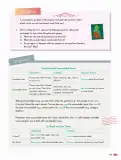
Respuesta orientativa: Recomendaciones: You may recycle clean PET bottles (puedes reciclar botellas PET limpias); You must separate food waste (debes separar los residuos de comida). Prohibiciones: You must not burn trash (no debes quemar basura); You can't leave trash on the streets (no puedes dejar basura en la calle); We may not put batteries in the regular bin (no se nos permite poner pilas en el bote común).
Respuesta orientativa: Se comparte el borrador con el docente y en comunidad de aula se pide retroalimentación sobre claridad, orden y uso correcto de los modales.
Enunciado traducido: para armar tu manual, dobla las hojas juntas para crear un cuadernillo; calcula cuántas hojas necesitarás según el contenido creado.
Respuesta: se necesitan 3 hojas dobladas para un cuadernillo de 12 páginas.
Respuesta orientativa: Se deja en blanco la primera página: será la portada.
Respuesta orientativa: Se copian las listas de consejos, recomendaciones y prohibiciones en las páginas interiores y se ilustran con recortes o dibujos para hacerlas atractivas.
Respuesta orientativa: La portada se diseña con un título creativo, por ejemplo "Maneja tu basura, cuida tu comunidad", con imágenes recicladas de revistas.
Respuesta orientativa: Se escribe el título y los nombres de las autoras y autores (integrantes de la comunidad del salón).
Respuesta orientativa: Con ayuda del docente se engrapan los pliegues (por el lomo) para formar el cuadernillo.
Respuesta orientativa: Se comparte el manual con el grupo y se intercambian comentarios sobre claridad y utilidad de cada manual.
Enunciado traducido: en asamblea, discute: a) ¿A quién crees que ayudará este manual? b) ¿Te será útil en casa?
Respuesta orientativa: Ayudará a las familias, a las tiendas y vecinos de la comunidad y a las personas encargadas de la limpieza, porque les da reglas claras y teléfonos de las instituciones de recolección.
Respuesta orientativa: Sí: en casa sirve para organizar la separación diaria, recordar qué no se debe quemar o mezclar y usar la composta de los orgánicos.
\frac{12 \text{ páginas}}{4 \text{ páginas por hoja}} = 3 \text{ hojas}
Who do you think this manual will help?
A familias, vecinos y personal de limpieza, con reglas claras y teléfonos de las instituciones.
Will it be helpful for you at home?
Sí, para organizar la separación diaria y la composta de los orgánicos.

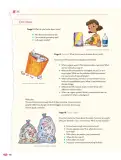
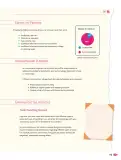
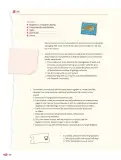
D Magazines or newspapers clippings Colored pencils/crayons/markers )Stapler Paper sheets )Scissors
1.Discuss common errors that people from your community make when managing their waste. Think of the most common types of trash you see in the streets.
Gather the information you need and make a list of recommendations and another list of prohibitions to help the people in your community handle waste better.
a) Then, make a list of tips related to the management of waste and items you can recycle. Everything you consider useful for your community can be there. You can include the phone numbers of the institutions in charge of garbage collection.
b) Use the modal verbs you just learned.
c) Share your ideas with your teacher and ask for feedback from the classroom community.
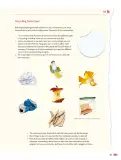
a) Leave the front page blank to create the cover.
b) Copy the lists of tips, recommendations, and prohibitions you made into the pages ofyour manual. You can illustrate it with the magazine and newspaper clippings, or make drawings to make it visually attractive for your readers.
C Create a cover for your manual. Be very creative and make it attractive to others.
d) Write the title of your manual and the names of the authors (your community members).
Once the manual is ready, with the help of your teacher, use the stapler to bind the sheets of paper to form a booklet.
f) Share your manuals with the rest of your classmates and exchange feedback.
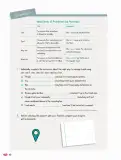
4.In assembly, discuss the following questions:a) Who do you think this manual will help?b) Will it be helpful for you at home?
268


A
114
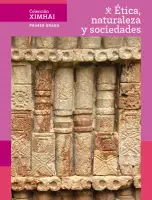
Colección Ximhai. Ética, naturaleza y sociedades. Libro de Educación Secundaria Grado 1° Ciclo Escolar 2025 - 2026
SEP/CONALITEG
355 págs.
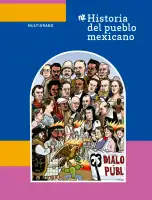
Historia del pueblo mexicano. Libro de Educación Secundaria Grado 1° Ciclo Escolar 2025 - 2026
SEP/CONALITEG
331 págs.
Colección Ximhai. Lenguajes. Libro de Educación Secundaria Grado 1° Ciclo Escolar 2025 - 2026
SEP/CONALITEG
323 págs.
Fichas de Matemática 1 · 2024
MINEDU
100 págs.
Cuaderno de fichas Personal Social 1. Primer grado de secundaria · 2016
MINEDU
19 págs.
Comprensión lectora : manual para el docente de primer grado de Secundaria 2018 · 2018
MINEDU
194 págs.
Comprensión lectora 1 : manual para el docente de primer grado de Secundaria · 2017
MINEDU
130 págs.
Fichas de aprendizaje de Comunicación 1 · 2024
Julia Liliana Quiroz Espinoza y equipo
100 págs.
Usamos cookies propias y de terceros para personalizar contenido, mostrar publicidad y analizar el tráfico. Las cookies necesarias siempre están activas.