















Página — Uerakua Anapu Uantakua Projects And Readings 1° Secundaria (pág. 124)
Solución no disponible aún
Esta página está en proceso de revisión.
Pídela y la resolveremos antes. Sin registro.
📝 Transcripción de la página (texto seleccionable) 2626 caracteres
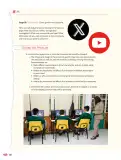
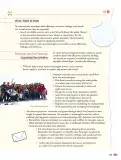
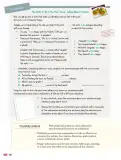
- In community, carry out the dynamic Identifying the Emotions of Others,which consists of deducing your classmates'emotions, feelings, and moods.Follow these instructions:
a) Write down an emotion, feeling, or mood on a sheet of paper. You should ensure that your classmates cannot see the contents of the sheet. When you are finished, fold the paper in half.
b) Form a circle and pass the paper three places to the right. This means that each student passes their paper to the person on their right and receives a paper from the person on their left.
c)With the help of a classmate, tape the paper to your back.
d) Walk around the room.
e)Each time you meet another student, silently read the emotion, feeling,or mood described on their back.
f) Stand in front of the other students and use mime to represent for them the emotion, feeling, or mood that is written on their backs.
g)) If the other student guesses the emotion correctly, they sit down.
h) The game continues until everyone has guessed what is written on their back and has returned to their original place.
- Reflect on the emotions, feelings, and moods you identified in this activity. Discuss the importance of emotions and human relationships in daily life, as well as how they influence coexistence.
INQUIRY DESIGNAND DEVELOPMENT That's the Question!
1. Collectively, read the following text:
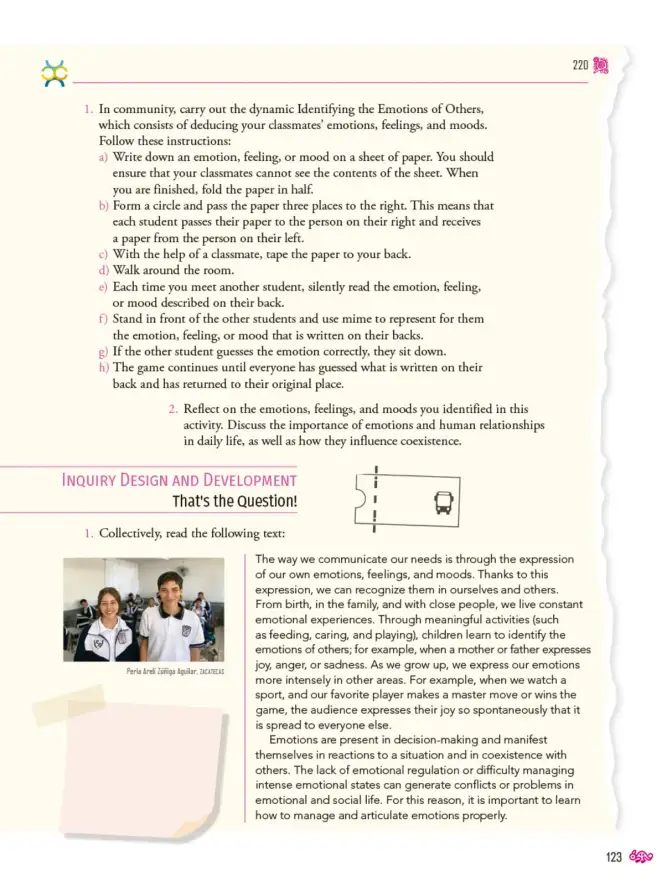
The way we communicate our needs is through the expression of our own emotions, feelings, and moods. Thanks to this expression, we can recognize them in ourselves and others.From birth, in the family, and with close people, we live constant emotional experiences. Through meaningful activities (such as feeding, caring, and playing), children learn to identify the emotions of others; for example, when a mother or father expresses joy, anger, or sadness. As we grow up, we express our emotions more intensely in other areas. For example, when we watch a sport, and our favorite player makes a master move or wins the game, the audience expresses their joy so spontaneously that it is spread to everyone else.
Emotions are present in decision-making and manifest themselves in reactions to a situation and in coexistence with others. The lack of emotional regulation or difficulty managing intense emotional states can generate conflicts or problems in emotional and social life. For this reason, it is important to learn how to manage and articulate emotions properly.
8
220


Perla Areli ZuRiga Aguilar, ZACaTECAS

123
Otros libros recomendados

Uérakua anapu uantakua. Projects and Readings. Libro de Educación Telesecundaria Grado 3° Ciclo Escolar 2025 - 2026
SEP/CONALITEG
187 págs.

Uérakua anapu uantakua. Projects and Readings. Libro de Educación Telesecundaria Grado 2° Ciclo Escolar 2025 - 2026
SEP/CONALITEG
171 págs.

Uérakua anapu uantakua. Projects and Readings. Libro de Educación Telesecundaria Grado 1° Ciclo Escolar 2025 - 2026
SEP/CONALITEG
187 págs.

Uérakua anapu uantakua. Projects and Readings. Libro de Educación Secundaria Grado 3° Ciclo Escolar 2025 - 2026
SEP/CONALITEG
187 págs.

Uérakua anapu uantakua. Projects and Readings. Libro de Educación Secundaria Grado 2° Ciclo Escolar 2025 - 2026
SEP/CONALITEG
171 págs.

Colección Ximhai. De lo humano y lo comunitario. Libro de Educación Secundaria Grado 1° Ciclo Escolar 2025 - 2026
SEP/CONALITEG
259 págs.

Colección Ximhai. Nuestro libro de proyectos. Libro de Educación Secundaria Grado 1° Ciclo Escolar 2025 - 2026
SEP/CONALITEG
299 págs.

Un libro sin recetas para la maestra y el maestro. Fase 6. Libro de Educación Secundaria Grado 1°, 2°, 3° Ciclo Escolar 2025 - 2026
SEP/CONALITEG
202 págs.