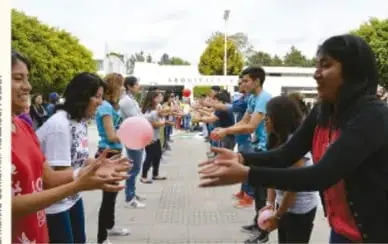
It is necessary that, in your cards, you compare the different ways in which men and women express emotions; observe if there are any stereotypes in emotional expression according to gender. Also, include the following questions:a) What is the emotion?
b) How is it expressed?
c How can the emotion be regulated in coexistence?
Invite your family, teachers, and classmates from school to participate in the preparation of information cards.
Collect all the cards made and, with the help of your teacher, check if there are any inconsistencies; look for information to corroborate what is written and integrate it into the dictionary.
Once the cards on affections and emotions have been validated in assembly, order them alphabetically.
Sharing and Assessing What We Learned
With the authorization of the school administration, organize an event to socialize your Emotional Dictionary and spread information about emotions and how to moderate them.
In community, invite members of the school community to the presentation of your Emotional Dictionary.
Before starting, consider that each presenter needs a printed copy to explain it.
During the event, ask the attendees to share how they identify, express,and regulate their emotions.
In assembly, reflect on the different ways of expressing emotions that men and women resort to.
b) Mention the importance of emotions and feelings for coexistence.
After your presentation, ask attendees to give their opinions on the Emotional Dictionary and suggestions on how to improve it.
In community, reflect on the learnings that the experience of elaborating the Emotional Dictionary and organizing its presentation left you. Reach agreements to circulate it among other people in the community and promote the expression of emotions assertively and inclusively.
Finally, write in your notebooks the assembly agreements reached by the community to recognize how you express your emotions and how to do it better in an environment of equity and inclusion.
×
224


127
4