
















Finding the Cause / Simple Past Tense (With Regular Verbs)
Respuesta rápida
Lectura: las mujeres ejercen el voto en México desde 1955 y difunden sus aportes por medios propios. Gramática: pasado simple regular con -ed; negativo con didn't + base e interrogativo con did + base.
Solución — Página 133
Uérakua anapu uantakua. Projects and Readings Libro de Educación Secundaria Grado 1° Ciclo Escolar 2025 - 2026
Contenido de la lectura (traducción y explicación)
Finding the Cause — Encontrando la causa
- Para entablar un diálogo y presentar propuestas que transformen nuestra realidad, debemos estar informados sobre el tema y definir cómo sustentaremos la información para promover el cambio en los demás.
- A lo largo de la historia, las mujeres han buscado y luchado por sus derechos. En México, desde 1955, las mujeres pueden participar en las elecciones y ejercer su derecho al voto (Comisión Nacional de los Derechos Humanos [CNDH], s.f.).
- Al luchar por sí mismas, las mujeres también han ganado poder sobre sus cuerpos, y muchas cuestionan incluso si quieren ser madres o no. ¡Esto ha sido un cambio significativo, ya que hasta hace poco ser madre se consideraba obligatorio!
- Aunque las fuentes históricas han ignorado el papel de las mujeres, muchas se han asegurado de difundir por sí mismas sus contribuciones, lo que nos permite acceder a su experiencia y a los movimientos sociales que han encabezado. Muchas han usado la tradición oral, los panfletos, las canciones, las películas, los libros e internet, entre otros, como medios para expresar y mostrar su sabiduría.
Grammar — Gramática: Simple Past Tense (With Regular Verbs)
Traducción: Pasado simple (con verbos regulares).
- El pasado simple muestra que una acción completada ocurrió en un momento particular del pasado. También describe hábitos pasados.
- La mayoría de los verbos regulares en pasado se forman añadiendo -ed al final del verbo.
Estructuras de la tabla:
- Afirmativa: sujeto + verbo en pasado (-ed) + objeto.
- Marie Curie discovered radioactivity. — Marie Curie descubrió la radiactividad.
- Sor Juana Inés de la Cruz studied at the university. — Sor Juana Inés de la Cruz estudió en la universidad.
- Negativa: sujeto + did not (didn't) + verbo en forma base + objeto.
- Frida Kahlo didn't paint murals, but she created many valuable paintings. — Frida Kahlo no pintó murales, pero creó muchas pinturas valiosas.
- Amelia Earhart did not travel by boat. She traveled by plane. — Amelia Earhart no viajó en barco. Ella viajó en avión.
- Interrogativa: did + sujeto + verbo en forma base + objeto + ?
- Did Jane Austen work in literature? Yes, she did. — ¿Trabajó Jane Austen en la literatura? Sí.
- Did Margaret Thatcher govern the USA? No, she governed the UK. — ¿Gobernó Margaret Thatcher en EE. UU.? No, ella gobernó el Reino Unido.
Puntos clave de la gramática:
- En oraciones negativas e interrogativas el verbo principal vuelve a su forma base y la marca de pasado la lleva el auxiliar did/didn't.
- En las respuestas cortas se usa Yes, she did / No, she didn't.
- Si la pregunta lleva did, la respuesta afirmativa puede repetir el verbo ya conjugado en pasado: No, she governed the UK.
Contenido de la página
FINDING THE CAUSE — Encontrando la causa
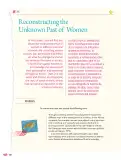
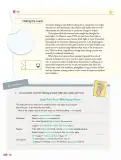
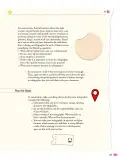
To hold a dialogue and deliver proposals to transform our reality, we must be informed about the subject and define how we will substantiate the information to promote change in others.
Throughout history, women have sought and fought for their rights. In Mexico, since 1955, women have been able to participate in elections and exercise their right to vote (Comisión Nacional de los Derechos Humanos [CNDH], n.d.). Fighting for themselves, women have also gained power over their bodies, and many are even questioning whether they want to be mothers or not. This has been a significant change since being a mom was recently considered mandatory!
While historical sources have certainly ignored the role of women in history, it is also true that many women have made sure to report on their contributions themselves, enabling us to access their expertise and the social movements they have led. Many have used oral tradition, pamphlets, songs, movies, books, and the internet, among others, as the means to express and show their wisdom.
GRAMMAR
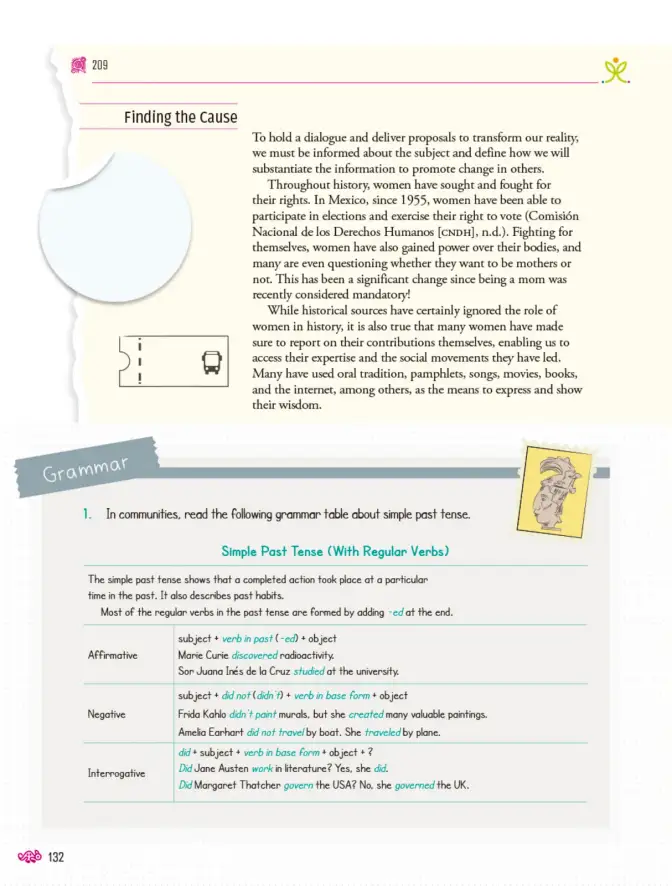
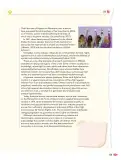
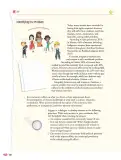
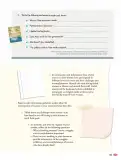
- In communities, read the following grammar table about simple past tense.
Simple Past Tense (With Regular Verbs)
The simple past tense shows that a completed action took place at a particular time in the past. It also describes past habits.
Most of the regular verbs in the past tense are formed by adding -ed at the end.
Numeración del libro: 209 (encabezado) / 132 (pie).
Ejemplos resueltos
Amelia Earhart did not travel by boat. She traveled by plane.
En la negativa el verbo va en forma base (did not travel) y el auxiliar lleva el pasado; en la afirmativa el verbo regular viaja a pasado añadiendo -ed (traveled). Esto muestra las dos reglas del pasado simple regular.
Tabla
| Forma | Estructura | Ejemplo | Traducción |
|---|---|---|---|
| Afirmativa | subject + verb in past (-ed) + object | Marie Curie discovered radioactivity. | Marie Curie descubrió la radiactividad. |
| Afirmativa | subject + verb in past (-ed) + object | Sor Juana Inés de la Cruz studied at the university. | Sor Juana Inés de la Cruz estudió en la universidad. |
| Negativa | subject + did not (didn't) + verb in base form + object | Frida Kahlo didn't paint murals, but she created many valuable paintings. | Frida Kahlo no pintó murales, pero creó muchas pinturas valiosas. |
| Negativa | subject + did not (didn't) + verb in base form + object | Amelia Earhart did not travel by boat. She traveled by plane. | Amelia Earhart no viajó en barco. Ella viajó en avión. |
| Interrogativa | did + subject + verb in base form + object + ? | Did Jane Austen work in literature? Yes, she did. | ¿Trabajó Jane Austen en la literatura? Sí. |
| Interrogativa | did + subject + verb in base form + object + ? | Did Margaret Thatcher govern the USA? No, she governed the UK. | ¿Gobernó Margaret Thatcher en EE. UU.? No, gobernó el Reino Unido. |
Diagrama
flowchart TD
    A[Pasado simple con verbos regulares] --> B[Afirmativa: sujeto + verbo-ed + objeto]
    A --> C[Negativa: sujeto + did not didn't + verbo base + objeto]
    A --> D[Interrogativa: did + sujeto + verbo base + objeto + ?]
    B --> E[Marie Curie discovered radioactivity]
    C --> F[Frida Kahlo didn't paint murals]
    D --> G[Did Jane Austen work in literature?]
Glosario (5)
- Substantiate
- Sustentar: apoyar la información con pruebas o fuentes.
- Expertise
- Experiencia o conocimiento especializado en un tema.
- Pamphlets
- Panfletos: impresos breves para difundir ideas.
- Mandatory
- Obligatorio: que se exige por fuerza o norma.
- Regular verbs
- Verbos regulares: aquellos cuyo pasado se forma añadiendo -ed.
Preguntas para practicar
¿Por qué es importante que las mujeres difundan sus propias contribuciones?
Porque las fuentes históricas han ignorado su papel; al registrarse a sí mismas mediante la tradición oral, panfletos, canciones, libros e internet, aseguran que su experiencia y sus movimientos sociales sean conocidos y sirvan de ejemplo.
¿Qué significó que las mujeres pudieran votar desde 1955 en México?
Significó un reconocimiento de su ciudadanía plena: participación en las elecciones, capacidad de decidir sobre lo público y un paso importante en la lucha por sus derechos, junto con el poder sobre sus propios cuerpos.
Temas y conceptos clave
Fuentes y referencias
- Comisión Nacional de los Derechos Humanos (CNDH), n.d.
Figuras de la página (2)
Preguntas que la gente también hace
¿Desde cuándo pueden votar las mujeres en México?
¿Cómo se forma el pasado simple con verbos regulares?
¿Cuándo se usa did y didn't?
- • Conocer el verbo to be en pasado (was/were)
- • Forma base de los verbos en inglés
- • Haber leído las páginas previas del proyecto
📝 Transcripción de la página (texto seleccionable) 2106 caracteres
To hold a dialogue and deliver proposals to transform our reality,we must be informed about the subject and define how we will substantiate the information to promote change in others.
Throughout history, women have sought and fought for their rights. In Mexico, since 1955, women have been able to participate in elections and exercise their right to vote (Comisión Nacional de los Derechos Humanos [cNDH], n.d.). Fighting for themselves, women have also gained power over their bodies, and many are even questioning whether they want to be mothers or not. This has been a significant change since being a mom was recently considered mandatory!
While historical sources have certainly ignored the role of women in history, it is also true that many women have made sure to report on their contributions themselves, enabling us to access their expertise and the social movements they have led.Many have used oral tradition, pamphlets, songs, movies, books,and the internet, among others, as the means to express and show their wisdom.
Grammar
- In communities, read the following grammar table about simple past tense.
Simple Past Tense (With Regular Verbs)
The simple past tense shows that a completed action took place at a particulan time in the past. It also describes past habits.
Most of the regular verbs in the past tense are formed by adding -ed at the end.
0209
災.


| Affirmative | subject + verb in past(-ed) + object Marie Curie discovered radioactivity. Sor Juana Inés de la Cruz studied at the university. |
| Negative | subject + did not(didn't) + verb in base form+ object Frida Kahlo didn'f paint murals, but she created many valuable paintings. Amelia Earhant did not travel by boat. She traveled by plane. |
| Interrogative | did + subject + verb in base form+ object + ? Did Jane Austen wonk in litenatune? Yes, she did. Did Margaret Thatcher govern the USA? No, she governed the UK. |
o
132
Otros libros recomendados
Colección Ximhai. Ética, naturaleza y sociedades. Libro de Educación Secundaria Grado 1° Ciclo Escolar 2025 - 2026
SEP/CONALITEG
355 págs.
Historia del pueblo mexicano. Libro de Educación Secundaria Grado 1° Ciclo Escolar 2025 - 2026
SEP/CONALITEG
331 págs.
Colección Ximhai. Lenguajes. Libro de Educación Secundaria Grado 1° Ciclo Escolar 2025 - 2026
SEP/CONALITEG
323 págs.
Fichas de Matemática 1 · 2024
MINEDU
100 págs.
Cuaderno de fichas Personal Social 1. Primer grado de secundaria · 2016
MINEDU
19 págs.
Comprensión lectora : manual para el docente de primer grado de Secundaria 2018 · 2018
MINEDU
194 págs.
Comprensión lectora 1 : manual para el docente de primer grado de Secundaria · 2017
MINEDU
130 págs.
Fichas de aprendizaje de Comunicación 1 · 2024
Julia Liliana Quiroz Espinoza y equipo
100 págs.