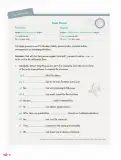
















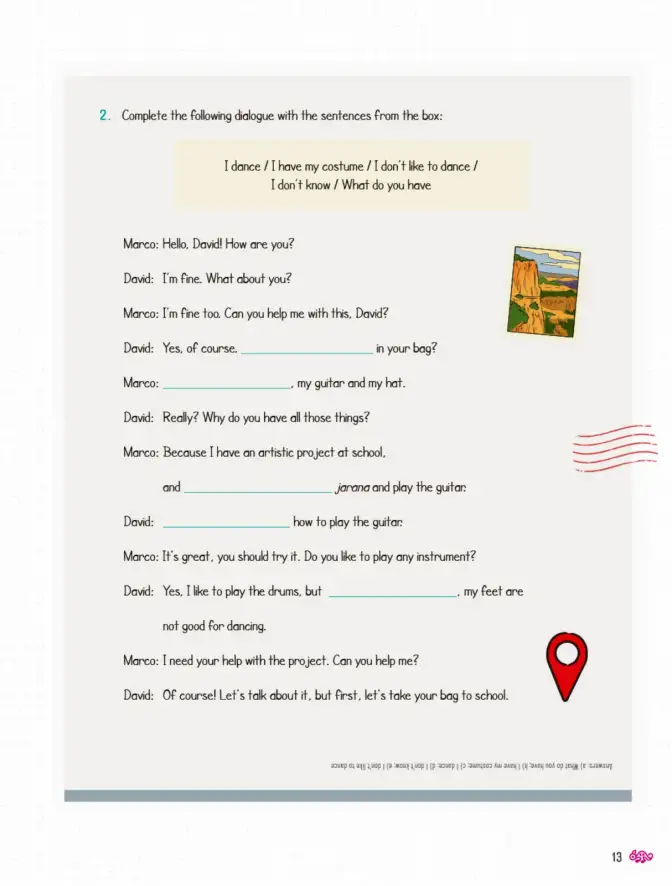
Complete the following dialogue with the sentences from the box. (Completa el siguiente diálogo con las oraciones del recuadro.)
Recuadro: I dance / I have my costume / I don't like to dance / I don't know / What do you have
Estrategia: leer el diálogo completo y probar cada frase del recuadro en el espacio donde tenga sentido lógico (pregunta → respuesta → explicación).
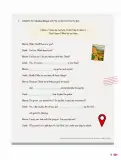
David: Yes, of course. ______ in your bag?
- Después de "Yes, of course" sigue una pregunta sobre el contenido de la mochila.
- La única frase interrogativa del recuadro es "What do you have".
Yes, of course. What do you have in your bag? — Sí, claro. ¿Qué tienes en tu mochila?
Marco: ______, my guitar and my hat.
- La respuesta enumera cosas: guitarra y sombrero.
- La frase que introduce un inventario de cosas es "I have my costume".
I have my costume**, my guitar and my hat. — Tengo mi traje, mi guitarra y mi sombrero.
Marco: Because I have an artistic project at school, and ______, jarana and play the guitar.
- Marco explica su proyecto artístico.
- Después de "and" falta una actividad que acompaña a "jarana and play the guitar": "I dance".
Because I have an artistic project at school, and I dance, jarana and play the guitar. — Porque tengo un proyecto artístico en la escuela, y bailo, toco jarana y guitarra.
David: ______ how to play the guitar.
- Marco le dice que debería intentar tocar; David responde sobre su habilidad.
- La frase negativa de conocimiento es "I don't know".
I don't know** how to play the guitar. — No sé tocar la guitarra.
David: Yes, I like to play the drums, but ______, my feet are not good for dancing.
- David dice que toca batería, pero algo pasa con sus pies para bailar.
- La frase que expresa gusto negativo es "I don't like to dance".
Yes, I like to play the drums, but I don't like to dance, my feet are not good for dancing. — Sí, me gusta tocar la batería, pero no me gusta bailar, mis pies no son buenos para el baile.