Ejercicio 1
Página en inglés; se traducen los enunciados y se responden en español.
 MisLibrosTexto
 Prueba nacional
TransformarPor universidad (27)
 ESPE — Universidad de las Fuerzas Armadas ESPE
 ESPOCH — Escuela Superior Politécnica de Chimborazo
 ESPOL — Escuela Superior Politécnica del Litoral IKIAM — Universidad Regional Amazónica Ikiam
 UCE — Universidad Central del Ecuador
 UCUENCA — Universidad de Cuenca UEA — Universidad Estatal Amazónica
 UEB — Universidad Estatal de Bolívar
 UG — Universidad de Guayaquil
 ULEAM — Universidad Laica Eloy Alfaro de Manabí
 UNACH — Universidad Nacional de Chimborazo
 UNAE — Universidad Nacional de Educación
 UNEMI — Universidad Estatal de Milagro
 UNESUM — Universidad Estatal del Sur de Manabí UNL — Universidad Nacional de Loja
 UPEC — Universidad Politécnica Estatal del Carchi
 UPSE — Universidad Estatal Península de Santa Elena UTA — Universidad Técnica de Ambato UTB — Universidad Técnica de Babahoyo UTC — Universidad Técnica de Cotopaxi
 UTELVT — Universidad Técnica Luis Vargas Torres de Esmeraldas
 UTEQ — Universidad Técnica Estatal de Quevedo
 UTM — Universidad Técnica de Manabí UTMACH — Universidad Técnica de Machala UTN — Universidad Técnica del Norte MisLibrosTexto
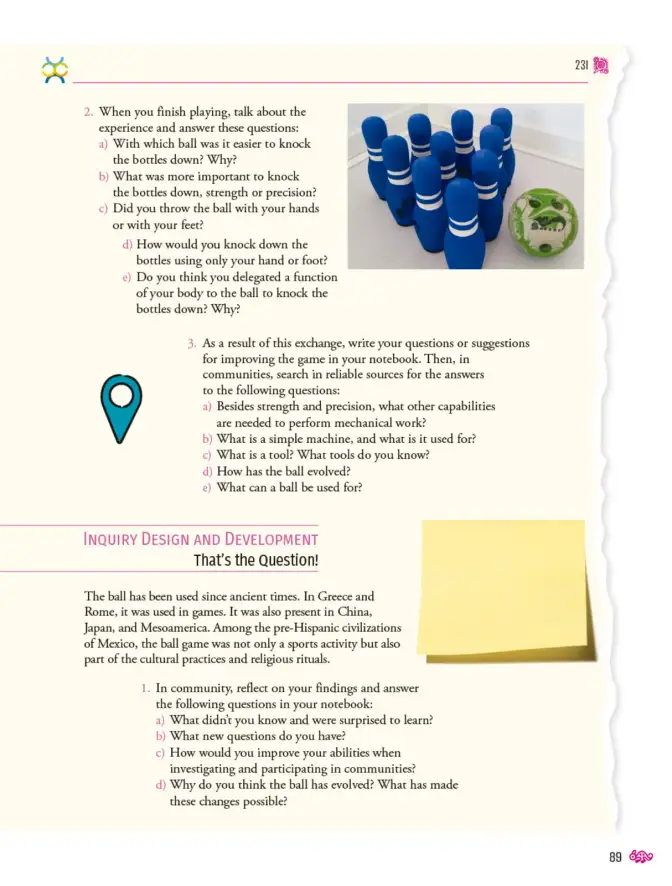
Uérakua anapu uantakua. Projects and Readings Libro de Educación Secundaria Grado 1° Ciclo Escolar 2025 - 2026
Página en inglés; se traducen los enunciados y se responden en español.
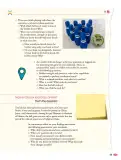
Enunciado (traducido): Al terminar de jugar, conversen sobre la experiencia y respondan estas preguntas:
Respuesta orientativa: Con la pelota más pesada y del tamaño adecuado: su peso y tamaño le dan fuerza e inercia para tirar varias botellas a la vez; las ligeras se desvían con el aire y las muy grandes no apuntan bien.
Respuesta orientativa: La precisión, porque de nada sirve lanzar fuerte si no se golpea a las botellas; la fuerza ayuda, pero apuntar bien decide el resultado. La combinación de ambas es lo ideal.
Respuesta orientativa: Respuesta personal; en boliche lo común es lanzar con la mano (rodando la pelota), aunque también puede patearse con el pie, lo que exige otra coordinación.
Respuesta orientativa: Golpeándolas directamente con un movimiento firme de la mano o una patada controlada; se necesitaría acercarse mucho más y más fuerza corporal, y sería más cansado y menos seguro.
Respuesta orientativa: Sí: en lugar de golpear cada botella con la mano o el pie (función corporal directa), la pelota hizo ese trabajo por nosotros al lanzarla; el cuerpo aportó el impulso y la pelota ejecutó la acción, tal como ocurre con las herramientas y máquinas.
Enunciado (traducido): Como resultado de este intercambio, escriban en su cuaderno sus preguntas o sugerencias para mejorar el juego. Después, en comunidades, busquen en fuentes confiables las respuestas a las siguientes preguntas:
Respuesta orientativa: Coordinación motriz, equilibrio, control del movimiento y resistencia; también planear el movimiento (mirar, medir la distancia) y trabajar en equipo para organizar turnos.
Respuesta orientativa: Es un dispositivo con pocos o ningún elemento móvil que transforma una fuerza para facilitar el trabajo. Las básicas son la palanca, la polea, el plano inclinado, la cuña, el tornillo y la rueda con eje; se usan para mover, levantar o cortar con menos esfuerzo, como el lanzamiento de la pelota aprovecha la palanca del brazo.
Respuesta orientativa: Es un objeto fabricado que amplía las capacidades del cuerpo para hacer un trabajo. Ejemplos: martillo, tijeras, escoba, cuchara, lápiz, pala; y en el juego, la propia pelota.
Respuesta orientativa: Pasó de ser piedra, madera o hule amasado (como la usada en el juego mesoamericano) a pelotas de cuero con vejiga inflable, luego de goma y hoy de plástico y materiales sintéticos de alta tecnología, diseñadas para cada deporte y más ligeras, seguras y duraderas.
Respuesta orientativa: Para deportes y juegos (futbol, basquetbol, boliche), ejercicio, terapia física, juegos tradicionales, ciencia (demostrar rebotes y fuerzas) e incluso como herramienta de comunicación en juegos cooperativos.
Traducción del texto: La pelota se ha usado desde la antigüedad. En Grecia y Roma se usaba en juegos. También estaba presente en China, Japón y Mesoamérica. Entre las civilizaciones prehispánicas de México, el juego de pelota no era solo una actividad deportiva, sino también parte de las prácticas culturales y rituales religiosos.
Enunciado (traducido): En comunidad, reflexionen sobre sus hallazgos y respondan en el cuaderno:
Respuesta orientativa: Por ejemplo, que el juego de pelota prehispánico tenía significado ritual y religioso, no solo deportivo, y que la pelota existe desde hace miles de años en casi todas las civilizaciones.
Respuesta orientativa: ¿Con qué se hacía la pelota del juego prehispánico? ¿En qué consistían las reglas rituales? ¿Qué materiales actuales se usan hoy y por qué?
Respuesta orientativa: Comparando varias fuentes confiables (biblioteca, sitios oficiales), anotando datos con su fuente, y turnándose la palabra para que todos aporten hallazgos.
Respuesta orientativa: Ha evolucionado porque las sociedades tuvieron nuevas necesidades (deportes específicos, seguridad, durabilidad) e intereses; los cambios fueron posibles por el desarrollo de nuevos materiales y técnicas (goma, plásticos, diseños industriales), es decir, por el cambio técnico.
La pelota se ha usado desde la antigüedad. En Grecia y Roma se usaba en juegos. También estaba presente en China, Japón y Mesoamérica. Entre las civilizaciones prehispánicas de México, el juego de pelota no era solo una actividad deportiva, sino también parte de las prácticas culturales y los rituales religiosos.
timeline
    title Historia de la pelota
    Antigüedad : Piedra y madera : Juegos en Grecia y Roma
    Otras culturas : China y Japón : Mesoamérica: juego de pelota ritual
    Evolución : Cuero con vejiga inflable : Goma : Plásticos y sintéticos actuales
¿Crees que delegaste una función de tu cuerpo a la pelota para derribar las botellas? ¿Por qué?
Sí, porque en lugar de golpear con la mano o el pie, la pelota hizo el trabajo por nosotros: el cuerpo solo aportó el impulso, igual que con cualquier herramienta o máquina.
¿Por qué ha evolucionado la pelota y qué ha hecho posibles estos cambios?
Porque las sociedades crearon nuevas necesidades: deportes específicos, seguridad y durabilidad; el desarrollo de materiales y técnicas (hule, cuero, plásticos, diseño industrial) hizo posibles los cambios, es decir, el cambio técnico.
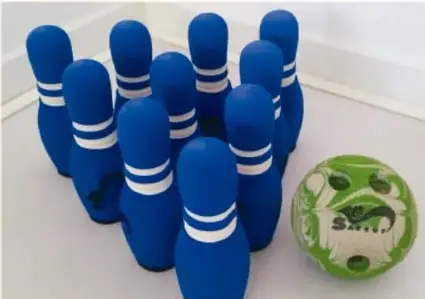


When you finish playing, talk about the experience and answer these questions:a) With which ball was it easier to knock the bottles down? Why? b) What was more important to knock the bottles down, strength or precision?C)Did you throw the ball with your hands or with your feet? d) How would you knock down the bottles using only your hand or foot? e)Do you think you delegated a function of your body to the ball to knock the bottles down? Why?
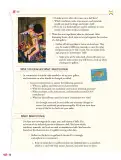
As a result of this exchange, write your questions or suggestions for improving the game in your notebook. Then, in communities, search in reliable sources for the answers to the following questions:a) Besides strength and precision, what other capabilities are needed to perform mechanical work? b)What is a simple machine, and what is it used for? c)What is a tool? What tools do you know? d) How has the ball evolved? e)What can a ball be used for?
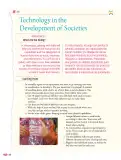
The ball has been used since ancient times. In Greece and Rome, it was used in games. It was also present in China,Japan, and Mesoamerica. Among the pre-Hispanic civilizations of Mexico, the ball game was not only a sports activity but also part of the cultural practices and religious rituals.
8
231


89
Colección Ximhai. Ética, naturaleza y sociedades. Libro de Educación Secundaria Grado 1° Ciclo Escolar 2025 - 2026
SEP/CONALITEG
355 págs.
Historia del pueblo mexicano. Libro de Educación Secundaria Grado 1° Ciclo Escolar 2025 - 2026
SEP/CONALITEG
331 págs.
Colección Ximhai. Lenguajes. Libro de Educación Secundaria Grado 1° Ciclo Escolar 2025 - 2026
SEP/CONALITEG
323 págs.
Fichas de Matemática 1 · 2024
MINEDU
100 págs.
Cuaderno de fichas Personal Social 1. Primer grado de secundaria · 2016
MINEDU
19 págs.
Comprensión lectora : manual para el docente de primer grado de Secundaria 2018 · 2018
MINEDU
194 págs.
Comprensión lectora 1 : manual para el docente de primer grado de Secundaria · 2017
MINEDU
130 págs.
Fichas de aprendizaje de Comunicación 1 · 2024
Julia Liliana Quiroz Espinoza y equipo
100 págs.
Usamos cookies propias y de terceros para personalizar contenido, mostrar publicidad y analizar el tráfico. Las cookies necesarias siempre están activas.