















Saltar al contenido
MisLibrosTexto
Ad

Retrieval: origins of English and grammar 'have to'

📄 ejercicios ingles 🎓 secundaria · 2° Secundaria México 🇲🇽 MX 🗣 Español
Página 132
132 de 171
Página 132 de Uérakua anapu uantakua. Projects and Readings.  Libro de Educación Secundaria Grado 2°  Ciclo Escolar 2025 - 2026
Anterior Página 132 / 171 Siguiente

Respuesta rápida

1.a) Origen germánico (anglos, sajones, jutos, s. V). 1.b) Germánico occidental, nórdico, francés, latín. 1.c) Por continente (ver tabla). 1.d) ~5 %. 1.e) Frontera norte, zonas turísticas y grandes ciudades. 2) El inglés es clave para el comercio, turismo y educación en México. Grammar: have/has to + verbo base para obligaciones.

📚 exercise ingles ⭐⭐ Dificultad 2/5 ⏱ 8 min lectura

Solución — Página 132

Uérakua anapu uantakua. Projects and Readings. Libro de Educación Secundaria Grado 2° Ciclo Escolar 2025 - 2026

1
Ejercicio 1

Individually, answer the following questions about the English language.

a
Parte 1.a

What are the origins of the English language?

  1. El inglés pertenece a la familia de lenguas indoeuropeas, rama germánica occidental.
  2. Sus orígenes se sitúan en las lenguas germánicas traídas a Britania por los anglos, sajones y jutos a partir del siglo V.
  3. De ahí surge el inglés antiguo (Old English), que luego recibe influencia del nórdico antiguo y del normando.
Respuesta

El inglés nace de las lenguas germánicas de los pueblos anglos, sajones y jutos que llegaron a Britania en el siglo V.

b
Parte 1.b

From which languages does it derive?

  1. Base germánica occidental (anglosajón).
  2. Aportes del nórdico antiguo por las invasiones vikingas.
  3. Fuerte influencia del francés normando tras 1066 y préstamos del latín y el griego en el ámbito culto.
Respuesta

Deriva principalmente del germánico occidental (anglosajón), con aportes del nórdico antiguo, el francés normando, el latín y el griego.

c
Parte 1.c

Which countries have English as an official language? Organize them by continent.

  1. Se identifica el estatus oficial del inglés en cada país.
  2. Se agrupan por continente.
Respuesta
Continente Países (ejemplos)
América Estados Unidos, Canadá, Jamaica, Trinidad y Tobago, Guyana, Bahamas, Barbados, Belice
Europa Reino Unido, Irlanda, Malta
África Nigeria, Ghana, Kenia, Sudáfrica, Uganda, Tanzania, Zimbabue
Asia India, Pakistán, Filipinas, Singapur
Oceanía Australia, Nueva Zelanda, Fiyi, Papúa Nueva Guinea
d
Parte 1.d

What percentage of the Mexican population speaks English?

  1. Según el INEGI (Censo 2020), alrededor del 5 % de la población mexicana habla inglés.
  2. En zonas urbanas y fronterizas el porcentaje es mayor.
Respuesta

Aproximadamente el 5 % de la población mexicana habla inglés.

e
Parte 1.e

In which regions or states of Mexico is it spoken?

  1. Mayor presencia en estados fronterizos del norte: Baja California, Sonora, Chihuahua, Coahuila, Nuevo León, Tamaulipas.
  2. También en zonas turísticas: Quintana Roo, Baja California Sur, Jalisco, Nayarit.
  3. Y en grandes ciudades: CDMX, Guadalajara, Monterrey, Puebla.
Respuesta

Se habla sobre todo en estados fronterizos del norte, zonas turísticas y grandes ciudades del país.

2
Ejercicio 2

In community, discuss your answers to assess the importance of English in Mexico.

  1. El inglés es la lengua global de los negocios, la ciencia y la tecnología.
  2. En México facilita el comercio con EE. UU., el turismo y el acceso a educación superior.
  3. Aprenderlo amplía oportunidades laborales y de movilidad social.

Respuesta orientativa: El inglés es clave en México por su cercanía con Estados Unidos, el TLCAN/T-MEC, el turismo y el acceso a información científica; dominarlo mejora el empleo y la competitividad del país.

Grammar: Have to

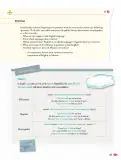
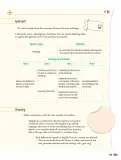
In English, you can use the verb have to followed by the base form of the main verb to talk about obligations and responsibilities.

Forma Estructura Ejemplos
Affirmative subject + have/has to + base form of main verb + object I have to make my bed at home. / My older brother has to help my dad at work. / I have to arrive on time at school.
Negative subject + don't/doesn't + have to + base form of main verb + object I don't have to pay for my food. / My little sister doesn't have to make her breakfast. / We don't have to choose a story yet, there's still time.
Interrogative do/does + subject + have to + base form of main verb + object + ? Do you have to cook at home? / Does your brother have to clean his room? / Do we have to include an index in our anthology?
Respuesta

Have to* expresa obligación; se conjuga con have (I, you, we, they) o has (he, she, it), y en negativo e interrogativo se usa el auxiliar do/does.

Contenido de la página

Retrieval

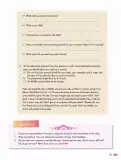
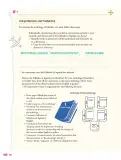
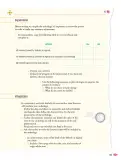
  1. Individually, without forgetting your previous work in community, answer the following questions. To do this, use online resources, the public library, dictionaries, encyclopedias, or other materials.

a) What are the origins of the English language?

b) From which languages does it derive?

c) Which countries have English as an official language? Organize them by continent.

d) What percentage of the Mexican population speaks English?

e) In which regions or states of Mexico is it spoken?

  1. In community, discuss your answers to assess the importance of English in Mexico.

Grammar

Have to

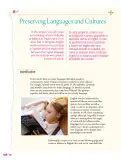
In English, you can use the verb have to followed by the base form of the main verb to talk about obligations and responsibilities.

Estructura y ejemplos
Affirmative subject + have/has to + base form of main verb + object. I have to make my bed at home. My older brother has to help my dad at work. I have to arrive on time at school.
Negative subject + don't/doesn't + have to + base form of main verb + object. I don't have to pay for my food. My little sister doesn't have to make her breakfast. We don't have to choose a story yet, there's still time.
Interrogative do/does + subject + have to + base form of main verb + object + ? Do you have to cook at home? Does your brother have to clean his room? Do we have to include an index in our anthology?

Ejemplos resueltos

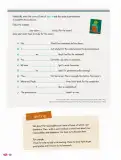
I ___ (make) my bed at home.

I have to make my bed at home. (sujeto I → have to + verbo base)

My little sister ___ (not / make) her breakfast.

My little sister doesn't have to make her breakfast. (tercera persona → doesn't have to + verbo base)

___ your brother ___ (clean) his room?

Does your brother have to clean his room? (pregunta con does + have to + verbo base)

Tablas (2)

Continente Países con inglés oficial
América EE. UU., Canadá, Jamaica, Trinidad y Tobago, Guyana, Bahamas, Barbados, Belice
Europa Reino Unido, Irlanda, Malta
África Nigeria, Ghana, Kenia, Sudáfrica, Uganda, Tanzania, Zimbabue
Asia India, Pakistán, Filipinas, Singapur
Oceanía Australia, Nueva Zelanda, Fiyi, Papúa Nueva Guinea
Forma Estructura Ejemplo
Affirmative subject + have/has to + base form + object I have to make my bed.
Negative subject + don't/doesn't have to + base form + object She doesn't have to cook.
Interrogative do/does + subject + have to + base form + object + ? Do you have to cook?

Diagrama

mindmap
  root((Have to))
    Affirmative
      have to
      has to
    Negative
      don't have to
      doesn't have to
    Interrogative
      Do ... have to?
      Does ... have to?

Fórmulas y ecuaciones

subject + have/has to + base form of main verb + object

subject + don't/doesn't + have to + base form of main verb + object

do/does + subject + have to + base form of main verb + object + ?

Glosario (4)

have to
Expresión que indica obligación o responsabilidad.
base form
Forma base del verbo, sin conjugación (make, help, arrive).
obligation
Obligación, algo que se debe hacer.
anthology
Antología, colección de textos.

Preguntas para practicar

What are the origins of the English language?

Proviene de las lenguas germánicas occidentales traídas a Britania por anglos, sajones y jutos en el siglo V.

Why is English important in Mexico?

Porque facilita el comercio internacional, el turismo, el acceso a la ciencia y mejores oportunidades laborales.

Temas y conceptos clave

Origen del inglésInglés en MéxicoGramática: have toobligaciónresponsabilidadhave/has toauxiliares do/doeslengua germánica

Fuentes y referencias

  • INEGI Censo 2020
  • Ethnologue
  • Encyclopaedia Britannica
¿Te fue útil esta página?

Figuras de la página (2)

Ilustración de una ballena azul.
Figura 1 image
Recuadro decorativo vacío con líneas punteadas.
Figura 2 image

Preguntas que la gente también hace

¿Cómo se usa 'have to' en inglés?
Consulta la solución completa arriba o explora el libro entero para temas relacionados.
¿Cuál es el origen del idioma inglés?
Consulta la solución completa arriba o explora el libro entero para temas relacionados.
¿Qué porcentaje de mexicanos habla inglés?
Consulta la solución completa arriba o explora el libro entero para temas relacionados.
📌 Antes de leer esto
  • • Verbo to have en presente
  • • Uso de auxiliares do/does
  • • Verbos en forma base
Siguiente tema sugerido
Obligaciones y prohibiciones: must, mustn't y have to
📝 Transcripción de la página (texto seleccionable) 1551 caracteres

Retrieval

  1. Individually, without forgetting your previous work in community, answer the following questions. To do this, use online resources, the public library, dictionaries, encyclopedias,or other materials.

a) What are the origins of the English language?

b) From which languages does it derive?

c) Which countries have English as an official language? Organize them by continent.

d) What percentage of the Mexican population speaks English?

e) In which regions or states of Mexico is it spoken?

  1. In community, discuss your answers to assess the importance of English in Mexico.

Grammar

Have to

In English, you can use the verb have to follwed by the base form of the main verb to talk about obligations and responsibilities.

89

![](page=0,bbox=[859, 736, 1148, 886])

Affirmativesubject + have/has to+base form of main venb+ object I have to make my bed at home. My older brother has to help my dad at work. I have to arrive on time at school.
Negativesubject + don't/doesn't+ have to+ base form of main verb + object I don't have to pay for my food. My little sister doesn't have to make her breakfast. We don't have to choose a story yet, thene's stil time.
Interrogativedo/does+ subject + have to +base form of main verb+ object + ? Do you have to cookat home? Does your brother have to clean his room? Do we have to include an index in our anthology?

![](page=0,bbox=[193, 1392, 357, 1524])

1316

Ad

Otros libros recomendados

Ver todos →
Ad

Usamos cookies propias y de terceros para personalizar contenido, mostrar publicidad y analizar el tráfico. Las cookies necesarias siempre están activas.