












Saltar al contenido
MisLibrosTexto
Ad

Portraits in Society: Reading Comprehension and Spelling

📄 ejercicios ingles 🎓 secundaria · 2° Secundaria México 🇲🇽 MX 🗣 Español
Página 22
22 de 171
Página 22 de Uérakua anapu uantakua. Projects and Readings.  Libro de Educación Secundaria Grado 2°  Ciclo Escolar 2025 - 2026
Anterior Página 22 / 171 Siguiente

Respuesta rápida

2.a) Los retratos conectan mostrando identidad y memoria. 2.b) Sí, cambian la percepción propia y ajena. 2.c) Dibujo, pintura, escultura, mural. Spelling: design, masterpiece, light effect, shadows, gallery, photographer.

📚 exercise ingles ⭐⭐ Dificultad 2/5 ⏱ 8 min lectura

Solución — Página 22

Uérakua anapu uantakua. Projects and Readings. Libro de Educación Secundaria Grado 2° Ciclo Escolar 2025 - 2026

2
Ejercicio 2

Gathered in communities, discuss and answer the following questions in your notebook.

a
Parte 2.a

How do portraits connect people with their society?

  1. Un retrato captura la identidad y la historia de una persona dentro de su contexto social.
  2. Al observar un retrato, la comunidad reconoce rasgos, costumbres y emociones compartidas.
  3. Esto genera empatía y sentido de pertenencia entre quien observa y quien es retratado.
Respuesta

Los retratos conectan a las personas con su sociedad porque muestran identidades, memorias y emociones compartidas, creando empatía y sentido de pertenencia.

b
Parte 2.b

Can a portrait change the way we present ourselves to the world?

  1. Un retrato es una construcción: el artista elige ángulo, luz y expresión.
  2. Esa imagen puede reforzar o transformar la percepción que otros tienen de nosotros.
  3. También puede influir en cómo nos vemos a nosotros mismos.
Respuesta

Sí, un retrato puede cambiar la forma en que nos presentamos al mundo porque selecciona y comunica una versión de nuestra identidad que influye en la percepción ajena y propia.

c
Parte 2.c

Besides photography, what other artistic expressions do you use to portray someone or something?

  1. Se pueden usar dibujo, pintura, escultura, mural, collage o arte digital.
  2. Cada técnica permite expresar rasgos físicos y emocionales de manera distinta.
  3. La elección depende del mensaje que se quiera comunicar.
Respuesta

Además de la fotografía, se puede retratar con dibujo, pintura, escultura, mural, collage o arte digital, eligiendo la técnica según el mensaje que se quiera expresar.


1
Ejercicio 1

(Spelling)

Circle the word with the correct spelling and write its meaning.

a
Parte 1.a
  1. Opciones: disign / design.
  2. La forma correcta es design.
Respuesta

design — diseño.

b
Parte 1.b
  1. Opciones: masterpiece / masterpice.
  2. La forma correcta es masterpiece.
Respuesta

masterpiece — obra maestra.

c
Parte 1.c
  1. Opciones: light effect / lit effects.
  2. La forma correcta es light effect.
Respuesta

light effect — efecto de luz.

d
Parte 1.d
  1. Opciones: chadows / shadows.
  2. La forma correcta es shadows.
Respuesta

shadows — sombras.

e
Parte 1.e
  1. Opciones: galery / gallery.
  2. La forma correcta es gallery.
Respuesta

gallery — galería.

f
Parte 1.f
  1. Opciones: photographer / fotographer.
  2. La forma correcta es photographer.
Respuesta

photographer — fotógrafo.

Contenido de la página

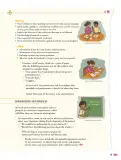
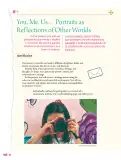
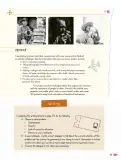
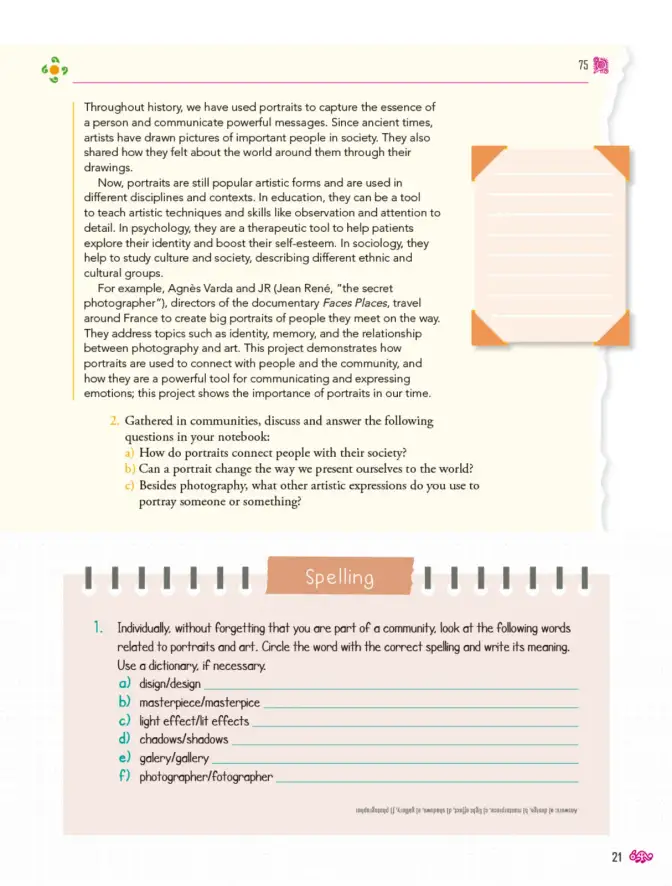
Throughout history, we have used portraits to capture the essence of a person and communicate powerful messages. Since ancient times, artists have drawn pictures of important people in society. They also shared how they felt about the world around them through their drawings.

Now, portraits are still popular artistic forms and are used in different disciplines and contexts. In education, they can be a tool to teach artistic techniques and skills like observation and attention to detail. In psychology, they are a therapeutic tool to help patients explore their identity and boost their self-esteem. In sociology, they help to study culture and society, describing different ethnic and cultural groups.

For example, Agnès Varda and JR (Jean René, "the secret photographer"), directors of the documentary Faces Places, travel around France to create big portraits of people they meet on the way. They address topics such as identity, memory, and the relationship between photography and art. This project demonstrates how portraits are used to connect with people and the community, and how they are a powerful tool for communicating and expressing emotions; this project shows the importance of portraits in our time.

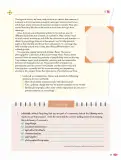
2. Gathered in communities, discuss and answer the following questions in your notebook:

a) How do portraits connect people with their society?

b) Can a portrait change the way we present ourselves to the world?

c) Besides photography, what other artistic expressions do you use to portray someone or something?


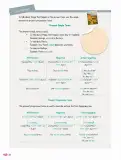
Spelling

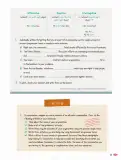
1. Individually, without forgetting that you are part of a community, look at the following words related to portraits and art. Circle the word with the correct spelling and write its meaning. Use a dictionary, if necessary.

a) disign / design

b) masterpiece / masterpice

c) light effect / lit effects

d) chadows / shadows

e) galery / gallery

f) photographer / fotographer

Tabla

Palabra correcta Significado
design diseño
masterpiece obra maestra
light effect efecto de luz
shadows sombras
gallery galería
photographer fotógrafo

Glosario (6)

portrait
Representación de una persona, generalmente de su rostro, hecha por un artista.
masterpiece
Obra maestra; trabajo artístico de gran calidad.
light effect
Efecto de luz; manera en que la iluminación incide sobre una imagen.
shadows
Sombras; zonas oscuras producidas por la falta de luz.
gallery
Galería; espacio donde se exhiben obras de arte.
photographer
Fotógrafo; persona que toma fotografías.

Preguntas para practicar

How do portraits connect people with their society?

Los retratos conectan a las personas con su sociedad porque muestran identidades, memorias y emociones compartidas, creando empatía y sentido de pertenencia.

Can a portrait change the way we present ourselves to the world?

Sí, un retrato puede cambiar la forma en que nos presentamos al mundo porque selecciona y comunica una versión de nuestra identidad que influye en la percepción ajena y propia.

Besides photography, what other artistic expressions do you use to portray someone or something?

Además de la fotografía, se puede retratar con dibujo, pintura, escultura, mural, collage o arte digital, eligiendo la técnica según el mensaje que se quiera expresar.
Temas y conceptos clave

El retrato a lo largo de la historiaAplicaciones del retrato en educación, psicología y sociologíaEl documental Faces Places de Agnès Varda y JROrtografía de palabras relacionadas con el arteportraitidentitymemorycommunityartistic expressionspelling

Fuentes y referencias

  • Documental Faces Places (Visages Villages), 2017, dirigido por Agnès Varda y JR
¿Te fue útil esta página?

Figuras de la página (1)

Marco decorativo naranja con líneas horizontales, tipo nota o espacio para escribir.
Figura 1 image

Preguntas que la gente también hace

¿Cómo se usan los retratos en educación, psicología y sociología?
Consulta la solución completa arriba o explora el libro entero para temas relacionados.
¿Qué documental dirigieron Agnès Varda y JR y de qué trata?
Consulta la solución completa arriba o explora el libro entero para temas relacionados.
¿Cuál es la ortografía correcta de design, masterpiece, shadows y gallery?
Consulta la solución completa arriba o explora el libro entero para temas relacionados.
📌 Antes de leer esto
  • • Vocabulario básico de arte y fotografía en inglés
  • • Uso del diccionario bilingüe
  • • Comprensión de textos descriptivos en inglés
Siguiente tema sugerido
Writing a description of a portrait using adjectives and present simple
📝 Transcripción de la página (texto seleccionable) 1967 caracteres

Throughout history, we have used portraits to capture the essence of a person and communicate powerful messages. Since ancient times,artists have drawn pictures of important people in society. They also shared how they felt about the world around them through their drawings.

Now, portraits are still popular artistic forms and are used in different disciplines and contexts. In education, they can be a tool to teach artistic techniques and skills like observation and attention to detail. In psychology, they are a therapeutic tool to help patients explore their identity and boost their self-esteem. In sociology, they help to study culture and society, describing different ethnic and cultural groups.

For example, Agnès Varda and JR (Jean René, "the secret photographer"), directors of the documentary Faces Places, travel around France to create big portraits of people they meet on the way.They address topics such as identity, memory, and the relationship between photography and art. This project demonstrates how portraits are used to connect with people and the community, and how they are a powerful tool for communicating and expressing emotions; this project shows the importance of portraits in our time.

  1. Gathered in communities, discuss and answer the following questions in your notebook:

a) How do portraits connect people with their society?

b) Can a portrait change the way we present ourselves to the world?

c) Besides photography, what other artistic expressions do you use to portray someone or something?

Spelling

Individually, without forgetting that you are part of a community, look at the following words related to portraits and art. Cincle the word with the correct spelling and wnite its meaning.Use a dictionary, if necessary.

disign/design

b)masterpiece/masterpice

c)light effect/lit effects

d)chadows/shadows

e)galery/gallery

f)photographer/fotographer

adsey

,

75

![](page=0,bbox=[848, 255, 1140, 631])

218

Ad

Otros libros recomendados

Ver todos →
Ad

Usamos cookies propias y de terceros para personalizar contenido, mostrar publicidad y analizar el tráfico. Las cookies necesarias siempre están activas.