Saltar al contenido
MisLibrosTexto
Ad

Vocabulary: Discrimination poem and Retrieval

📄 ejercicios ingles 🎓 secundaria · 2° Secundaria México 🇲🇽 MX 🗣 Español
Página 25
25 de 171
Página 25 de Uérakua anapu uantakua. Projects and Readings.  Libro de Educación Secundaria Grado 2°  Ciclo Escolar 2025 - 2026
Anterior Página 25 / 171 Siguiente

Respuesta rápida

  1. walks, looks, ignore, asks, understands, suffering, trying, walks, chasing. 3a) Discriminación e indiferencia. 3b) Presente: walks, looks, ignore, asks, understands.
📚 exercise ingles ⭐⭐ Dificultad 2/5 ⏱ 8 min lectura

Solución — Página 25

Uérakua anapu uantakua. Projects and Readings. Libro de Educación Secundaria Grado 2° Ciclo Escolar 2025 - 2026

1
Ejercicio 1

Individually, complete the verses with the words in the box.

Palabras disponibles: understands, running, begging, walks, trying, looks, asks, chasing, ignore, suffering.

  1. People walks under the rain in the street.
  2. The homeless vagabond is anxious, as he looks among cars for a coin or a piece of bread, and people ignore him.
  3. The angry looks at him, the scorn of passers-by.
  4. He asks himself why nobody understands his pain.
  5. Without a job, he is now suffering from hunger and thirst, trying to find a way to survive, amidst the city's bitterness and the perils of old age.
  6. He walks around for friends or smiles chasing hope, if any.
Respuesta

walks, looks, ignore, asks, understands, suffering, trying, walks, chasing.

2
Ejercicio 2

In classroom community, check the answers.

  1. Comparar respuestas con los compañeros.
  2. Verificar que cada palabra concuerde con el sujeto y el tiempo verbal.
  3. Corregir en grupo las diferencias.

Respuesta orientativa: Se revisa en grupo que las palabras encajen gramatical y semánticamente en cada verso.

3
Ejercicio 3

In communities, discuss the following:

a
Parte 3.a

What is the poem about?

  1. Identificar el tema central: la discriminación y la indiferencia social.
  2. Reconocer al personaje: un vagabundo sin hogar.
  3. Señalar el mensaje: la soledad y el sufrimiento en la ciudad.
Respuesta

El poema trata sobre la discriminación y la indiferencia hacia una persona sin hogar que sufre hambre, sed y rechazo en la ciudad.

b
Parte 3.b

Does it describe the present time or the past? Mention five words in the poem that help you know this.

  1. Observar los verbos: walks, looks, ignore, asks, understands.
  2. Identificar que están en presente simple.
  3. Confirmar que describen una situación actual.

Retrieval

  1. Look at the pictures on the next page and identify the message and emotions.
  2. Discuss differences and similarities with your classroom community.

Respuesta orientativa: Las imágenes de Nacho López retratan la vida urbana y la diversidad social de México; expresan emociones como alegría, nostalgia o desigualdad, y muestran diferencias de contexto pero similitudes en la humanidad de los retratados.

Respuesta

Describe el tiempo presente. Cinco palabras: walks, looks, ignore, asks, understands.

Contenido de la página

Vocabulary

  1. Individually, without forgetting you are part of a community, complete the verses with the words in the box.

Box: understands, running, begging, walks, trying, looks, asks, chasing, ignore, suffering

Discrimination

People ______ under the rain in the street. The homeless vagabond is anxious, as he ______ among cars for a coin or a piece of bread, and people ______ him. The angry looks at him, The scorn of passers-by. He ______ himself why nobody ______ his pain. Without a job, he is now ______ from hunger and thirst, ______ to find a way to survive, amidst the city's bitterness and the perils of old age. He ______ around for friends or smiles ______ hope, if any.

  1. In classroom community, check the answers.

  2. In communities, discuss the following:

a) What is the poem about?

b) Does it describe the present time or the past? Mention five words in the poem that help you know this.

If you want to read more discrimination poems, follow this QR/link. bit.ly/3x6sl0C

Retrieval

After reading the text in "Identification" and answering the questions, you can see the importance of portraits to know yourself and others. This helps us realize that we live in a multicultural and multiethnic society.

  1. Individually, look at the pictures on the next page, included in the Nacho López photographic library. Then, try to identify the message and emotions that each one expresses.

  2. Discuss the differences and similarities between the images with your classroom community.

Glosario (6)

vagabond
persona sin hogar que vaga de un lugar a otro
scorn
desprecio o rechazo hacia alguien
perils
peligros o riesgos
bitterness
amargura, resentimiento
multicultural
que incluye varias culturas
multiethnic
que incluye varias etnias

Preguntas para practicar

What is the poem about?

El poema trata sobre la discriminación y la indiferencia hacia una persona sin hogar que sufre hambre, sed y rechazo en la ciudad.

Does it describe the present time or the past? Mention five words in the poem that help you know this.

Describe el tiempo presente. Cinco palabras: walks, looks, ignore, asks, understands.

What message and emotions do Nacho López's photographs express?

Las imágenes retratan la vida urbana y la diversidad social de México; expresan emociones como alegría, nostalgia o desigualdad, y muestran diferencias de contexto pero similitudes en la humanidad de los retratados.

Temas y conceptos clave

Vocabulario en inglésComprensión lectoraDiscriminación socialFotografía documentalPresente simplePoemaDiscriminaciónRetrato fotográficoMulticulturalidad

Fuentes y referencias

  • bit.ly/3x6sl0C
¿Te fue útil esta página?

Figuras de la página (2)

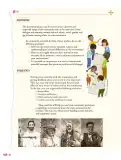
Sello postal con código QR y enlace bit.ly/3x6sl0C para leer más poemas sobre discriminación.
Figura 1 image
Nota amarilla adhesiva que ilustra la sección Retrieval.
Figura 2 image

Preguntas que la gente también hace

¿Cómo se completa el poema Discrimination en inglés?
Consulta la solución completa arriba o explora el libro entero para temas relacionados.
¿Qué tiempo verbal usa el poema Discrimination?
Consulta la solución completa arriba o explora el libro entero para temas relacionados.
¿Quién fue Nacho López y qué retrataba?
Consulta la solución completa arriba o explora el libro entero para temas relacionados.
📌 Antes de leer esto
  • • Vocabulario básico en inglés
  • • Reconocer verbos en presente simple
  • • Comprensión lectora de poemas
Siguiente tema sugerido
Análisis de retratos y emociones en imágenes
📝 Transcripción de la página (texto seleccionable) 1544 caracteres

Vocabulary

  1. Individually, without forgetting you are part of a community, complete the verses with the wonds in the box.

understands running begging walks trying looks asks chasing ignore suffering

Discrimination

People under the rain in the street.The homeless vagabond is anxious, as he among cars for a coin or a piece of bread, and people him.The angry looks at him,

The scorn of passers-by.

He.himself why nobody his pain.Without a job, he is now from hunger and thinst,

_to find a way to survive, amidst the city's bittenness and the penrils of old age.

He around for friends or smiles hope, if any.

  1. In classroom community, check the answers.

3.In communities, discuss the following:a) What is the poem about?

If you want to read more discrimination poems, follow this QR/link.

b) Does it descnibe the present time or the past? Mention five words in the poem that help you know this.

ussoua ssuna(g uy

Retrieval

After reading the text in "Identification" and answering the questions, you can see the importance of portraits to know yourself and others. This helps us realize that we live in a multicultural and multiethnic society.

  1. Individually, look at the pictures on the next page, included in the Nacho López photographic library. Then, try to identify the message and emotions that each one expresses.

  2. Discuss the differences and similarities between the images with your classroom community.

![](page=0,bbox=[915, 514, 1041, 642])

bitly/3x6sl0C

![](page=0,bbox=[837, 1120, 1162, 1405])

O

24
Ad

Otros libros recomendados

Ver todos →
Ad

Usamos cookies propias y de terceros para personalizar contenido, mostrar publicidad y analizar el tráfico. Las cookies necesarias siempre están activas.