Saltar al contenido
MisLibrosTexto
Ad

Following Through: fuentes, calendario y registro de la investigación

📄 ejercicios estudios-sociales 🎓 secundaria · 2° Secundaria México 🇲🇽 MX 🗣 Español
Página 37
37 de 171
Página 37 de Uérakua anapu uantakua. Projects and Readings.  Libro de Educación Secundaria Grado 2°  Ciclo Escolar 2025 - 2026
Anterior Página 37 / 171 Siguiente

Respuesta rápida

  1. Fuentes documentales y experienciales. 2) Calendario de 4 semanas. 3) Investigación mixta. 4) Entrevistas comunitarias. 5) Reportes de anécdotas. 6) Fanzine escolar. Registro: resumen Cornell de causas y consecuencias de la Conquista.
📚 exercise estudios-sociales ⭐⭐ Dificultad 2/5 ⏱ 8 min lectura

Solución — Página 37

Uérakua anapu uantakua. Projects and Readings. Libro de Educación Secundaria Grado 2° Ciclo Escolar 2025 - 2026

1
Ejercicio 1

In assembly, make a list of the possible sources for your research. Select them considering your context and the available resources.

  1. Identifico mi contexto: escuela secundaria en México, acceso a biblioteca escolar e internet.
  2. Clasifico las fuentes en documentales (a, b, c, d, e, f) y experienciales (f: entrevistas).
  3. Selecciono las más accesibles y confiables: libro de texto, libros de historia del siglo XVI, biblioteca escolar, periódicos, códices e ilustraciones, y entrevistas o páginas institucionales.
Respuesta

Lista de fuentes: a) Colección Sk'asolil. Ética, naturaleza y sociedades. Segundo grado; b) libros de historia del siglo XVI; c) biblioteca escolar o pública; d) periódicos; e) imágenes como códices o ilustraciones; f) entrevistas, documentales y páginas de internet confiables (gubernamentales o institucionales).

2
Ejercicio 2

Establish a calendar in which you define how much time you need to do your research.

  1. Divido el proyecto en cuatro etapas: selección de fuentes, lectura y entrevistas, redacción del fanzine y distribución.
  2. Asigno tiempos: semana 1, fuentes; semana 2, entrevistas; semana 3, redacción; semana 4, edición y reparto.
  3. Registro las fechas en una tabla o calendario visible.
Respuesta

Calendario de 4 semanas con una etapa por semana.

3
Ejercicio 3

Choose if your research will be documentary or experiential.

  1. Documentary: información de libros, revistas, periódicos o documentos de archivo.
  2. Experiential: incorpora las experiencias de personas de la comunidad.
  3. Decido combinar ambas: documental para los datos históricos y experiencial para los testimonios.
Respuesta

Investigación mixta (documental y experiencial).

Ad
4
Ejercicio 4

For the experiential part, talk to people in your community about the problem you selected.

  1. Elijo el problema: causas y consecuencias de la Conquista.
  2. Entrevisto a familiares y vecinos con preguntas abiertas.
  3. Pido que narren situaciones vividas y cómo se sintieron.
Respuesta

Guion de entrevista con 3 preguntas: ¿qué sabe de la Conquista?, ¿cómo afectó a su comunidad?, ¿cómo se sintió al conocerlo?

5
Ejercicio 5

From these interviews, write reports of the anecdotes people told you and share them with your classmates.

  1. Transcribo las anécdotas más significativas.
  2. Redacto un reporte breve por cada una, con introducción, relato y reflexión.
  3. Incluyo mi propia experiencia si viví el problema y selecciono anécdotas para el fanzine.
Respuesta

Reportes de anécdotas y selección de las mejores para el fanzine.

6
Ejercicio 6

Once you finish your research, decide how to make and distribute your fanzine.

  1. Diseño el fanzine: portada, introducción, hallazgos, anécdotas y conclusión.
  2. Elijo formato impreso o digital.
  3. Distribuyo en la comunidad escolar: periódico mural, redes o copias impresas.

Recording the Experience

  1. In assembly, after researching, write a summary of your findings in your notebook.

  2. Organizo la información con el Método Cornell: columna de notas, columna de preguntas y resumen final.

  3. Clasifico causas y consecuencias de la Conquista.

  4. Redacto el resumen en el cuaderno.

Respuesta orientativa: Resumen con causas (expansión europea, búsqueda de riquezas, avances náuticos) y consecuencias (caída de Tenochtitlan, mestizaje, evangelización, enfermedades y cambios culturales).

Respuesta

Fanzine de 4 a 8 páginas distribuido en la escuela.

Contenido de la página

Following Through

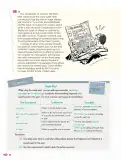
  1. In assembly, make a list of the possible sources for your research. Select them considering your context and the available resources. Consider the following: a) Book Colección Sk'asolil. Ética, naturaleza y sociedades. Segundo grado b) History books about the 16th century c) School Library or another library you can visit d) Newspapers e) Images like codices or illustrations f) Interviews, documentaries, and trustworthy internet pages, governmental or institutional

  2. Establish a calendar in which you define how much time you need to do your research.

  3. Choose if your research will be documentary or experiential. Documentary is when you get information from books, magazines, journals, newspapers, or archival documents. Experiential is when you incorporate the experiences of people from your community.

  4. For the experiential part of your research, talk to people in your community about the problem you selected. Ask them to tell you situations in which they experienced that problem and how they felt about this.

  5. From these interviews, write reports of the anecdotes people told you and share them with your classmates. If you have experienced the problem you are researching, also include the narration of your experience(s). Remember to include some of them in your fanzine.

  6. Once you finish your research, decide how to make and distribute your fanzine among your school community to share your findings.

Recording the Experience

  1. In assembly, after researching, write a summary of your findings in your notebook. You can use a Cornell Note Taking Method, a synoptic table, or another resource you find, analogically or digitally, to organize the information you found about the causes and consequences of the Conquest.

Tabla

Tipo de fuente Ejemplos
Documental Libro de texto, libros del siglo XVI, periódicos, códices
Experiencial Entrevistas a personas de la comunidad
Digital confiable Páginas gubernamentales o institucionales

Diagrama

timeline
    title Calendario de investigación
    Semana 1 : Selección de fuentes
    Semana 2 : Entrevistas y lectura
    Semana 3 : Redacción del fanzine
    Semana 4 : Edición y distribución

Glosario (4)

Documentary research
Investigación que obtiene información de libros, revistas, periódicos o documentos de archivo.
Experiential research
Investigación que incorpora las experiencias de las personas de la comunidad.
Fanzine
Publicación breve y artesanal que difunde los hallazgos de una investigación.
Cornell Note Taking Method
Formato de notas con columna de apuntes, columna de preguntas y resumen final.

Preguntas para practicar

¿Por qué es importante combinar fuentes documentales y experienciales?

Porque los documentos aportan datos históricos verificables y los testimonios añaden la memoria viva de la comunidad, lo que enriquece la comprensión de la Conquista.

¿Cómo organizarías la información sobre causas y consecuencias de la Conquista?

Con el método Cornell: en la columna izquierda las ideas principales, en la derecha las preguntas y al final un resumen que sintetice causas y consecuencias.

Temas y conceptos clave

Metodología de investigaciónFuentes de informaciónConquista de MéxicoFanzineinvestigación documentalinvestigación experiencialfuente primariafuente secundariafanzinemétodo Cornell

Fuentes y referencias

  • Colección Sk'asolil. Ética, naturaleza y sociedades. Segundo grado
  • Libros de historia del siglo XVI
  • Periódicos locales
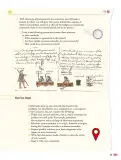
  • Códices e ilustraciones históricas
¿Te fue útil esta página?

Figuras de la página (2)

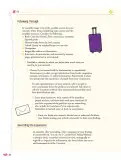
Ilustración de una maleta morada con ruedas y asa extendida.
Figura 1 image
Ilustración de un sobre de carta abierto.
Figura 2 image

Preguntas que la gente también hace

¿Qué diferencia hay entre una investigación documental y una experiencial?
Consulta la solución completa arriba o explora el libro entero para temas relacionados.
¿Cómo se elabora un fanzine escolar?
Consulta la solución completa arriba o explora el libro entero para temas relacionados.
¿Cuáles fueron las causas y consecuencias de la Conquista de México?
Consulta la solución completa arriba o explora el libro entero para temas relacionados.
📌 Antes de leer esto
  • • Identificar fuentes de información confiables
  • • Conocer el contexto histórico del siglo XVI
  • • Saber redactar un resumen
Siguiente tema sugerido
Elaboración y difusión del fanzine sobre la Conquista
📝 Transcripción de la página (texto seleccionable) 1873 caracteres

Following Through

  1. In assembly, make a list of the possible sources for your research. Select them considering your context and the available resources. Consider the following:

a) Book Colección Sk'asolil. Ética, naturaleza y sociedades.Segundo grado

b) History books about the 16th century

c) School Library or another library you can visit

d) Newspapers

e) Images like codices or illustrations

f)Interviews, documentaries, and trustworthy internet pages, governmental or institutional

  1. Establish a calendar in which you define how much time you need to do your research.

  2. Choose if your research will be documentary or experiential.Documentary is when you get information from books, magazines,journals, newspapers, or archival documents. Experiential is when you incorporate the experiences of people from your community.

  3. For the experiential part of your research, talk to people in your community about the problem you selected. Ask them to tell you situations in which they experienced that problem and how they felt about this.

  4. From these interviews, write reports of the anecdotes people told you and share them with your classmates. If you have experienced the problem you are researching,also include the narration of your experience(s).Remember to include some of them in your fanzine.

6.Once you finish your research, decide how to make and distribute your fanzine among your school community to share your findings.

Recording the Experience

  1. In assembly, after researching, write a summary of your findings in your notebook. You can use a Cornell Note Taking Method,a synoptic table, or another resource you find, analogically or digitally, to organize the information you found about the causes and consequences of the Conquest.

1779

災

![](page=0,bbox=[888, 267, 1022, 530])

![](page=0,bbox=[152, 1041, 304, 1157])

A

36
Ad

Otros libros recomendados

Ver todos →
Ad

Usamos cookies propias y de terceros para personalizar contenido, mostrar publicidad y analizar el tráfico. Las cookies necesarias siempre están activas.