













Saltar al contenido
MisLibrosTexto
Ad

Appreciating My Path: reflexión sobre infodemia, infocracia y derecho a la información

📄 ejercicios educacion-ciudadania 🎓 bachillerato · 3° Secundaria México 🇲🇽 MX 🗣 Español
Página 146
146 de 187
Página 146 de Uérakua anapu uantakua. Projects and Readings.  Libro de Educación Secundaria Grado 3°  Ciclo Escolar 2025 - 2026
Anterior Página 146 / 187 Siguiente

Respuesta rápida

Respuestas orientativas de reflexión: dificultades (fuentes y fake news), soluciones (verificación), campaña comunitaria, retos de la infocracia y acuerdos éticos sobre información confiable.

📚 exercise educacion-ciudadania ⭐⭐ Dificultad 2/5 ⏱ 8 min lectura

Solución — Página 146

Uérakua anapu uantakua. Projects and Readings. Libro de Educación Secundaria Grado 3° Ciclo Escolar 2025 - 2026

2
Ejercicio 2

(continuación)

Reflect on the difficulties, solutions, awareness and improvements of the campaign.

b
Parte 2.b
  1. Identify the main obstacles: falta de fuentes verificadas, desinformación viral, poco tiempo, escasa participación.
  2. Clasificarlas en logísticas, comunicativas y de credibilidad.

Respuesta orientativa: The main difficulties were finding reliable sources and countering fake news already circulating. We also struggled to reach people who distrust official media.

c
Parte 2.c
  1. Revisar el origen de cada dato antes de publicarlo.
  2. Contrastar con al menos dos fuentes oficiales.
  3. Pedir apoyo de docentes y autoridades.

Respuesta orientativa: We solved them by verifying information with official sources, inviting experts, and using simple infographics to explain how to detect fake news.

d
Parte 2.d
  1. Diseñar mensajes claros y breves.
  2. Usar redes sociales, carteles y sesiones informativas.
  3. Enseñar a verificar antes de compartir.

Respuesta orientativa: We can raise awareness through workshops, social media campaigns and school radio, teaching people to check sources and avoid spreading unverified content.

e
Parte 2.e
  1. Evaluar qué funcionó y qué no.
  2. Incorporar más aliados y mejores materiales.

Respuesta orientativa: I would improve the campaign by starting earlier, involving more community members and using more audiovisual and interactive formats.


3
Ejercicio 3

Replicate the campaign at community level.

a
Parte 3.a
  1. Preguntar: ¿de dónde viene la información?
  2. Verificar si proviene de medios oficiales, instituciones reconocidas o especialistas.
  3. Descartar cadenas anónimas o sin autor.

Respuesta orientativa: Reviewing information critically means checking its origin: official newspapers, recognized institutions or experts. If the source is anonymous or cannot be verified, it should not be shared.

b
Parte 3.b
  1. Solicitar apoyo de autoridades escolares y comunitarias.
  2. Involucrar a padres y tutores.
  3. Difundir los riesgos de compartir información falsa.

Respuesta orientativa: Asking school and community authorities, parents and tutors for help allows the message to reach more people and reinforces the risks of sharing erroneous or fake information.

Appreciating My Path

a
Parte 3.a
  1. Recordar las actividades del proyecto.
  2. Elegir la más significativa y justificar.

Respuesta orientativa: The most meaningful part was learning that sharing information is a responsibility, because it directly affects how my community makes decisions.

b
Parte 3.b
  1. Identificar el contenido más útil.
  2. Relacionarlo con el acceso y la promoción de la información.

Respuesta orientativa: The most helpful content was learning to identify reliable sources, because it allowed me to understand how information reaches and benefits my community.

c
Parte 3.c
  1. Reconocer que producen conocimiento e investigación.
  2. Difunden datos verificables y forman ciudadanos críticos.

Respuesta orientativa: Educational institutions, universities and research centers produce validated knowledge, train critical citizens and provide reliable data that society can use to make informed decisions.

a
Parte 3.a
  1. Proponer acciones concretas.
  2. Vincularlas con la vida democrática.

Respuesta orientativa: We can create a school verification committee, a bulletin board of verified news and workshops for families, so that information strengthens democratic participation in the community.

a
Parte 3.a
  1. Verificar antes de compartir.
  2. Respetar opiniones distintas.
  3. Denunciar discursos de odio o censura.

Respuesta orientativa: I can avoid actions that threaten these rights by not spreading rumors, respecting different opinions and promoting respectful dialogue in digital and face-to-face spaces.

b
Parte 3.b
  1. Identificar retos: sobrecarga informativa, noticias falsas, polarización.
  2. Reconocer el impacto en jóvenes y gobierno.

Respuesta orientativa: Society, government and young people face information overload, fake news and polarization, which weaken trust in institutions and make it harder to make informed decisions.

c
Parte 3.c
  1. Definir objetivos y públicos.
  2. Elegir canales y mensajes verificables.
  3. Evaluar resultados.

Respuesta orientativa: A strategy would include verifying sources, creating clear messages, using school and community channels, and evaluating whether people changed their information habits.

d
Parte 3.d
  1. Publicar contenido breve y verificado.
  2. Usar hashtags e infografías.
  3. Invitar a expertos en transmisiones.

Respuesta orientativa: I would use social media to share short videos, infographics and verified posts explaining what infodemic means and how it affects society, encouraging users to verify before sharing.

4
Ejercicio 4

Write the assembly agreements in your notebook.

  1. Registrar acuerdos alcanzados.
  2. Incluir compromisos éticos con información confiable.

Respuesta orientativa: In my notebook I would write agreements such as verifying sources before sharing, promoting respectful dialogue, and organizing periodic campaigns on trustworthy information.

Contenido de la página

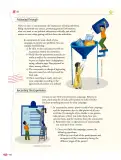
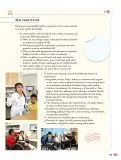
b) What difficulties did you face during the project?

c) How did you solve them?

d) How can you raise community awareness about the right to information and take enough care when faced with infodemic and infocracy?

e) If you had to repeat the campaign, what would you improve?

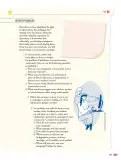
  1. With the aim of spreading what infodemic means and how it affects society, with the help of your teacher, replicate your campaign on a community level. To do this consider the following:

a) The importance of reviewing information critically, that is, where does the information come from? Does it come from official sources such as newspapers, renown institutions, or experts in the field?

b) Ask for help from your school and community authorities, from your parents or tutors to insist on the risks of sharing erroneous or fake information.

Appreciating My Path

  1. Individually, reflect on what you achieved and what you learned, considering the following questions:

a) What was the most meaningful part for you? Why?

b) What content was the most helpful when it came to learning about your community in relation to the access and promotion of information? Why?

c) What role do educational institutions, universities, and research centers play in producing information?

  1. In assembly, share your reflections.

a) Discuss and establish other actions or resources you can implement at school or where you live so that information contributes to a more democratic life in your community.

  1. Reflect on the following:

a) How can you avoid actions that threaten the right to information and freedom of speech?

b) Think about the challenges that society, the government, and, in particular, young people face as infocracy and infodemics grow stronger.

c) How would you define a strategy to spread trustworthy information to benefit your community?

d) How would you use social media to share the meaning of infodemic and how it affects society?

  1. Finally, write in your notebooks the assembly agreements reached by the community to promote actions and ethical commitments with trustworthy information.

Glosario (5)

infodemic
Exceso de información, a menudo falsa o no verificada, que se difunde rápidamente y dificulta encontrar fuentes confiables.
infocracy
Forma de poder o gobierno en la que quien controla o manipula la información ejerce influencia sobre la sociedad.
right to information
Derecho de las personas a acceder, buscar y recibir información veraz y oportuna.
freedom of speech
Libertad de expresar opiniones e ideas sin censura, con responsabilidad.
trustworthy information
Información verificable, proveniente de fuentes oficiales o expertas, en la que se puede confiar.

Preguntas para practicar

What difficulties did you face during the project?

Encontrar fuentes confiables y contrarrestar noticias falsas que ya circulaban en la comunidad.

How did you solve them?

Verificando la información con fuentes oficiales y pidiendo apoyo a docentes y expertos.

How can you raise community awareness about the right to information?

Mediante talleres, redes sociales y campañas escolares que enseñen a verificar antes de compartir.

What role do educational institutions, universities, and research centers play in producing information?

Producen conocimiento validado, investigan y forman ciudadanos capaces de analizar información críticamente.

How would you use social media to share the meaning of infodemic?

Publicando videos breves, infografías y mensajes verificados que expliquen sus efectos en la sociedad.

Temas y conceptos clave

Reflexión sobre el aprendizajeInfodemia e infocraciaDerecho a la informaciónCampaña comunitariaAcuerdos éticosinfodemicinfocracyright to informationfreedom of speechtrustworthy informationcritical review of information
¿Te fue útil esta página?

Figuras de la página (2)

Ilustración de un sobre de carta abierto.
Figura 1 image
Forma circular decorativa color crema.
Figura 2 image

Preguntas que la gente también hace

¿Qué es la infodemia y cómo afecta a la sociedad?
Consulta la solución completa arriba o explora el libro entero para temas relacionados.
¿Cómo puedo verificar si una información es confiable?
Consulta la solución completa arriba o explora el libro entero para temas relacionados.
¿Qué acciones escolares promueven el derecho a la información?
Consulta la solución completa arriba o explora el libro entero para temas relacionados.
📌 Antes de leer esto
  • • Concepto de infodemia e infocracia
  • • Fuentes de información confiables
  • • Derecho a la información y libertad de expresión
Siguiente tema sugerido
Evaluación final del proyecto y presentación de resultados comunitarios
📝 Transcripción de la página (texto seleccionable) 2192 caracteres

b) What difficulties did you face during the project?

c) How did you solve them?

d) How can you raise community awareness about the right to information and take enough care when faced with infodemic and infocracy? e) If you had to repeat the campaign, what would you improve?

  1. With the aim of spreading what infodemic means and how it affects society, with the help of your teacher, replicate your campaign on a community level. To do this consider the following:

a) The importance of reviewing information critically, that is, where does the information come from? Does it come from official sources such as newspapers, renown institutions, or experts in the field?

b) Ask for help from your school and community authorities, from your parents or tutors to insist on the risks of sharing erroneous or fake information.

Appreciating My Path

  1. Individually, reflect on what you achieved and what you learned,considering the following questions:

a) What was the most meaningful part for you? Why?

b) What content was the most helpful when it came to learning about your community in relation to the access and promotion of information? Why?

c)What role do educational institutions, universities, and research centers play in producing information?

  1. In assembly, share your reflections.

a) Discuss and establish other actions or resources you can implement at school or where you live so that information contributes to a more democratic life in your community.

  1. Reflect on the following:

a) How can you avoid actions that threaten the right to information and freedom of speech?

b) Think about the challenges that society, the government, and, in particular, young people face as infocracy and infodemics grow stronger.

How would you define a strategy to spread trustworthy information to benefit your community?

d) How would you use social media to share the meaning of infodemic and how it affects society?

  1. Finally, write in your notebooks the assembly agreements reached by the community to promote actions and ethical commitments with trustworthy information.

灾.

183

![](page=0,bbox=[925, 214, 1076, 329])

![](page=0,bbox=[839, 737, 1111, 1011])

145

乐

Ad

Otros libros recomendados

Ver todos →
Ad

Usamos cookies propias y de terceros para personalizar contenido, mostrar publicidad y analizar el tráfico. Las cookies necesarias siempre están activas.