












Saltar al contenido
MisLibrosTexto
Ad

What I Need to Know: hábitos activos y saludables

📄 introduccion educacion-fisica 🎓 bachillerato · 3° Secundaria México 🇲🇽 MX 🗣 Español
Página 150
150 de 187
Página 150 de Uérakua anapu uantakua. Projects and Readings.  Libro de Educación Secundaria Grado 3°  Ciclo Escolar 2025 - 2026
Anterior Página 150 / 187 Siguiente

Respuesta rápida

1.a) Gestionar espacios con horarios y responsables. 1.b) Juegos cooperativos, caminatas, baile y deportes adaptados. 1.c) Patios, parques y canchas seguras. 1.d) Calendario flexible y difusión comunitaria. 1.e) Actividades en escuela, casa o comunidad con participación de todos. 2.a-g) Consultar libros, bibliotecas, especialistas y coordinaciones deportivas.

educacion-fisica ⭐⭐ Dificultad 2/5 ⏱ 8 min lectura

Solución — Página 150

Uérakua anapu uantakua. Projects and Readings. Libro de Educación Secundaria Grado 3° Ciclo Escolar 2025 - 2026

1
Ejercicio 1

In communities, with the help of your teacher, comment and answer the following questions.

a
Parte 1.a

How can you manage spaces inside and outside the school to improve the quality of life?

  1. Identificar los espacios disponibles dentro y fuera de la escuela (patios, canchas, jardines, plazas, parques).
  2. Proponer usos que favorezcan la actividad física, la convivencia y el descanso.
  3. Organizar horarios y responsables para su cuidado y aprovechamiento.
Respuesta

Se pueden gestionar espacios escolares y comunitarios mediante la organización de horarios, la asignación de responsables y la adecuación de áreas para actividad física, recreación y convivencia, lo que mejora la calidad de vida al promover salud, seguridad y bienestar colectivo.

b
Parte 1.b

What games, physical, recreational, and sports activities promote an active and healthy life?

  1. Mencionar juegos tradicionales y cooperativos (saltar la cuerda, quemados, rondas).
  2. Incluir actividades físicas como caminar, correr, bailar, andar en bicicleta.
  3. Considerar deportes adaptados y recreativos (fútbol, básquetbol, voleibol, atletismo).
Respuesta

Los juegos cooperativos y tradicionales, las caminatas, el baile, el ciclismo y los deportes adaptados o recreativos promueven una vida activa y saludable porque combinan movimiento, diversión e inclusión.

c
Parte 1.c

What are the most appropriate and safe spaces to promote healthy activities at home or in the community?

  1. Identificar espacios seguros: patios, jardines, parques, plazas, canchas y gimnasios comunitarios.
  2. Verificar que estén libres de obstáculos y en buen estado.
  3. Contar con supervisión de un adulto o promotor deportivo.
Respuesta

Los espacios más apropiados son patios, jardines, parques, plazas y canchas comunitarias que estén limpios, iluminados, sin obstáculos y con supervisión, ya que reducen riesgos y favorecen la participación de todas las personas.

d
Parte 1.d

How can physical, recreational, and sports activities be promoted on different days, spaces, and times with other students, family, friends, and people in the neighborhood?

  1. Planear un calendario con días y horarios variados.
  2. Difundir las actividades mediante carteles, redes sociales y reuniones vecinales.
  3. Invitar a estudiantes, familiares, amigos y vecinos a participar en torneos, caminatas o tardes recreativas.
Respuesta

Se promueven organizando un calendario flexible, difundiendo las actividades por distintos medios e invitando a toda la comunidad a participar en torneos, caminatas y jornadas recreativas en espacios y horarios diversos.

e
Parte 1.e

How, where, when, by whom, and at what time can activities for a healthy and active life be carried out?

  1. Definir el cómo: actividades físicas, recreativas y deportivas adaptadas.
  2. Definir el dónde: escuela, casa, parque, plaza o centro deportivo.
  3. Definir el cuándo y a qué hora: días entre semana o fines de semana, en horarios de mañana o tarde.
  4. Definir el quién: estudiantes, docentes, familias, promotores y autoridades deportivas.
Respuesta

Las actividades pueden realizarse mediante juegos, deportes y recreación en la escuela, el hogar o la comunidad, en días y horarios acordados, con la participación de estudiantes, docentes, familias y promotores deportivos.

2
Ejercicio 2

To initiate your research, consult the following sources of information.

a
Parte 2.a

Magazines, articles, books, videos, or interviews with experts on the topics, such as physical education teachers, people from the community, promoters of healthy living, and coaches.

Respuesta

Se pueden consultar revistas, artículos, libros, videos y entrevistas con docentes de educación física, promotores de vida saludable y entrenadores para obtener información confiable y actualizada.

b
Parte 2.b

Colección Nanahuatzin. De lo humano y lo comunitario. Tercer grado.

Respuesta

Este libro aborda temas de estilo de vida saludable y bienestar personal y colectivo, por lo que es una fuente adecuada para iniciar la investigación.

c
Parte 2.c

Books that deal with disciplinary knowledge from other Formative Fields.

Respuesta

Los libros de otros campos formativos aportan conocimientos disciplinares que complementan el estudio de hábitos saludables desde una perspectiva integral.

d
Parte 2.d

The Classroom Library, the School Library, the public library, or other available written and oral sources.

Respuesta

La biblioteca de aula, escolar y pública, así como fuentes orales, ofrecen materiales accesibles para ampliar la información sobre el tema.

e
Parte 2.e

Specialists in medicine, physical rehabilitation, nutrition, psychology, physical education, sports training, or social work, among other disciplines.

Respuesta

Los especialistas en medicina, nutrición, psicología, educación física y trabajo social pueden orientar sobre hábitos saludables y bienestar integral.

f
Parte 2.f

Community or municipal sports coordination.

Respuesta

La coordinación deportiva comunitaria o municipal puede proporcionar información sobre programas, espacios y actividades deportivas disponibles.

g
Parte 2.g

Personnel in charge of public squares, sports fields, community, and sports centers, among other spaces.

Respuesta

El personal responsable de plazas, canchas y centros deportivos puede informar sobre horarios, normas de uso y actividades disponibles en esos espacios.

Contenido de la página

What I Need to Know

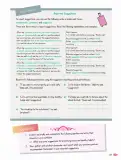
Having active and healthy habits is important, but it is also essential to acquire specific knowledge.

  1. In communities, with the help of your teacher, comment and answer the following questions: a) How can you manage spaces inside and outside the school to improve the quality of life? b) What games, physical, recreational, and sports activities promote an active and healthy life? c) What are the most appropriate and safe spaces to promote healthy activities at home or in the community? d) How can physical, recreational, and sports activities be promoted on different days, spaces, and times with other students, family, friends, and people in the neighborhood? e) How, where, when, by whom, and at what time can activities for a healthy and active life be carried out?

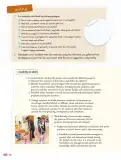
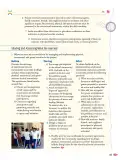
  2. To initiate your research, consult the following sources of information: a) Magazines, articles, books, videos, or interviews with experts on the topics, such as physical education teachers, people from the community, promoters of healthy living, and coaches. b) Colección Nanahuatzin. De lo humano y lo comunitario. Tercer grado, a book that addresses topics related to a healthy lifestyle and elements promoting personal and collective well-being. c) Books that deal with disciplinary knowledge from other Formative Fields. d) The Classroom Library, the School Library, the public library, or other available written and oral sources. e) Specialists in medicine, physical rehabilitation, nutrition, psychology, physical education, sports training, or social work, among other disciplines. f) Community or municipal sports coordination. g) Personnel in charge of public squares, sports fields, community, and sports centers, among other spaces.

Glosario (5)

Active and healthy habits
Hábitos activos y saludables: conductas que incluyen movimiento físico y cuidado del bienestar.
Quality of life
Calidad de vida: nivel de bienestar físico, mental y social de una persona o comunidad.
Recreational activities
Actividades recreativas: acciones de esparcimiento que generan disfrute y descanso.
Formative Fields
Campos formativos: áreas de conocimiento del currículo escolar.
Sports coordination
Coordinación deportiva: instancia que organiza y promueve actividades físicas y deportivas.

Preguntas para practicar

How can you manage spaces inside and outside the school to improve the quality of life?

Organizando horarios, asignando responsables y adecuando áreas para actividad física y convivencia.

What games, physical, recreational, and sports activities promote an active and healthy life?

Juegos cooperativos, caminatas, baile, ciclismo y deportes adaptados.

What are the most appropriate and safe spaces to promote healthy activities at home or in the community?

Patios, jardines, parques, plazas y canchas limpias, iluminadas y supervisadas.

How can physical, recreational, and sports activities be promoted on different days, spaces, and times with other students, family, friends, and people in the neighborhood?

Con calendarios flexibles, difusión comunitaria e invitación abierta a torneos y jornadas recreativas.

How, where, when, by whom, and at what time can activities for a healthy and active life be carried out?

Mediante juegos y deportes en escuela, casa o comunidad, en horarios acordados, con participación de estudiantes, docentes, familias y promotores.

Temas y conceptos clave

Hábitos activos y saludablesGestión de espacios escolares y comunitariosFuentes de información para la investigaciónCalidad de vidaActividad físicaRecreaciónEspacios segurosBienestar personal y colectivo

Fuentes y referencias

  • Colección Nanahuatzin. De lo humano y lo comunitario. Tercer grado
  • Biblioteca de Aula
  • Biblioteca Escolar
  • Biblioteca Pública
¿Te fue útil esta página?

Figuras de la página (5)

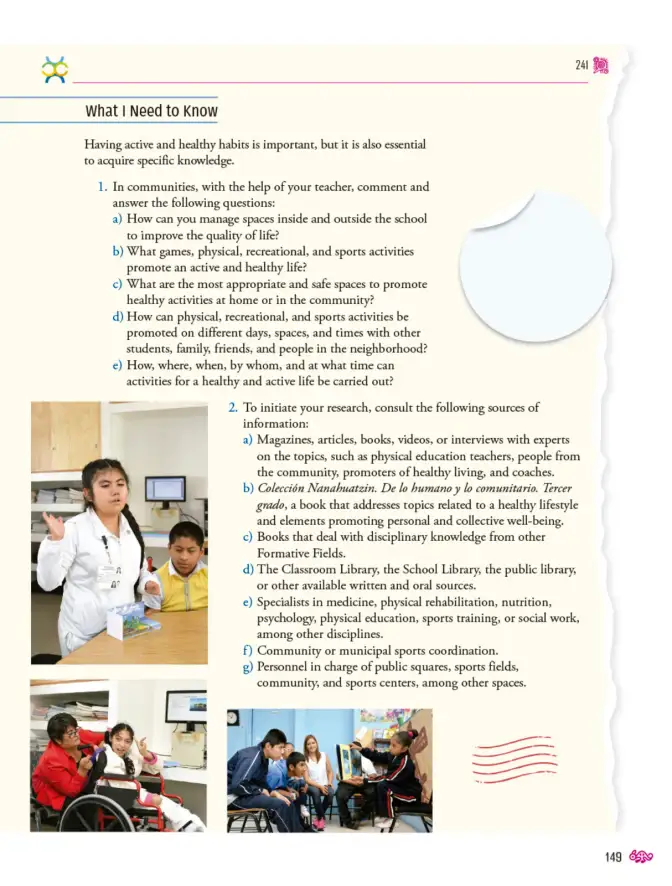
Recuadro blanco con borde curvo, vacío, para notas.
Figura 1 image
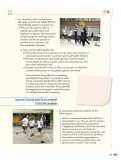
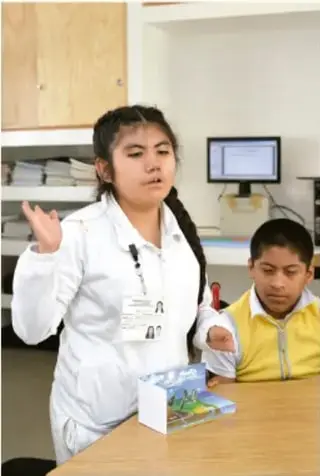
Estudiante con uniforme blanco hablando frente a un compañero en un aula.
Figura 2 image
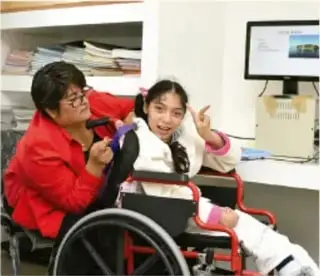
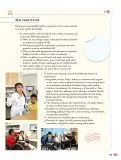
Persona en silla de ruedas acompañada de una estudiante, en un entorno escolar.
Figura 3 image
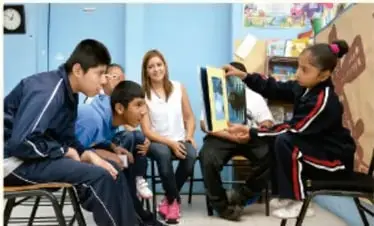
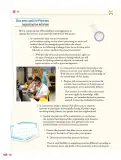
Grupo de estudiantes y adultos en una actividad grupal, posiblemente en un aula o taller.
Figura 4 image
Sello postal con líneas onduladas rojas.
Figura 5 image

Preguntas que la gente también hace

¿Cómo promover hábitos saludables en la escuela y la comunidad?
Consulta la solución completa arriba o explora el libro entero para temas relacionados.
¿Qué actividades físicas y recreativas mejoran la calidad de vida?
Consulta la solución completa arriba o explora el libro entero para temas relacionados.
¿Dónde puedo investigar sobre vida saludable para un proyecto escolar?
Consulta la solución completa arriba o explora el libro entero para temas relacionados.
📌 Antes de leer esto
  • • Conocimiento básico sobre salud y actividad física
  • • Habilidades de investigación en fuentes escritas y orales
  • • Trabajo colaborativo
Siguiente tema sugerido
Planificación de un proyecto de vida activa y saludable
📝 Transcripción de la página (texto seleccionable) 1972 caracteres

What I Need to Know

Having active and healthy habits is important, but it is also essential to acquire specific knowledge.

  1. In communities, with the help of your teacher, comment and answer the following questions:

a) How can you manage spaces inside and outside the school to improve the quality of life?

b) What games, physical, recreational, and sports activities promote an active and healthy life?

c) What are the most appropriate and safe spaces to promote healthy activities at home or in the community?

d) How can physical, recreational, and sports activities be promoted on different days, spaces, and times with other students, family, friends, and people in the neighborhood?

e) How, where, when, by whom, and at what time can activities for a healthy and active life be carried out?

  1. To initiate your research, consult the following sources of information:

a) Magazines, articles, books, videos, or interviews with experts on the topics, such as physical education teachers, people from the community, promoters of healthy living, and coaches.

b) Colección Nanahuatzin. De lo humano y lo comunitario. Tercer grado, a book that addresses topics related to a healthy lifestyle and elements promoting personal and collective well-being.

c) Books that deal with disciplinary knowledge from other Formative Fields.

d) The Classroom Library, the School Library, the public library,or other available written and oral sources.

e) Specialists in medicine, physical rehabilitation, nutrition,psychology, physical education, sports training, or social work,among other disciplines.

Community or municipal sports coordination.

Personnel in charge of public squares, sports fi elds,community, and sports centers, among other spaces.

č

241

![](page=0,bbox=[821, 322, 1101, 630])

![](page=0,bbox=[55, 723, 375, 1199])

![](page=0,bbox=[54, 1226, 374, 1502])

![](page=0,bbox=[407, 1277, 781, 1503])

![](page=0,bbox=[849, 1325, 1007, 1415])

149

8

Ad

Otros libros recomendados

Ver todos →
Ad

Usamos cookies propias y de terceros para personalizar contenido, mostrar publicidad y analizar el tráfico. Las cookies necesarias siempre están activas.