Saltar al contenido
MisLibrosTexto
Ad

Reading: Oliver and Julie — Human Rights and Relative Pronouns

📄 ejercicios ingles 🎓 bachillerato · 3° Secundaria México 🇲🇽 MX 🗣 Español
Página 73
73 de 187
Página 73 de Uérakua anapu uantakua. Projects and Readings.  Libro de Educación Secundaria Grado 3°  Ciclo Escolar 2025 - 2026
Anterior Página 73 / 187 Siguiente

Respuesta rápida

2.a Julie; 2.b Oliver; 2.c Oliver; 2.d Julie; 2.e Julie. 4. whose, whom, who, which (that no aparece).

📚 exercise ingles ⭐⭐ Dificultad 2/5 ⏱ 8 min lectura

Solución — Página 73

Uérakua anapu uantakua. Projects and Readings. Libro de Educación Secundaria Grado 3° Ciclo Escolar 2025 - 2026

1
Ejercicio 1

Read the following stories about two young employees who promote young people's human rights.

  1. Lectura del texto de Oliver: es un egresado universitario que trabaja en un bufete de abogados; su jefe valora las opiniones de los jóvenes y les da retroalimentación positiva.
  2. Lectura del texto de Julie: es estudiante universitaria y guardia de seguridad a tiempo parcial; su equipo forma brigadas de protección y apoyo para personas vulnerables (sin hogar, con problemas de salud, sin empleo).
Respuesta

Lectura completada. Oliver promueve la libertad de expresión; Julie defiende la seguridad y la protección social.

2
Ejercicio 2

Who is described in each sentence? Mark (X) the correct boxes.

a
Parte 2.a

This young person defends security and social protection.

  1. Julie habla de un entorno seguro y de brigadas de protección para personas vulnerables.
  2. Oliver habla de opiniones y propuestas, no de seguridad.
Respuesta

Julie (X).

b
Parte 2.b

This young person promotes freedom of expression.

  1. Oliver menciona que su jefe permite expresar opiniones y propuestas libremente.
  2. Julie no menciona expresión de ideas.
Respuesta

Oliver (X).

c
Parte 2.c

This person has a very supportive boss.

  1. Oliver describe a su jefe como alguien que considera sus opiniones y corrige con respeto.
  2. Julie no menciona a ningún jefe.
Respuesta

Oliver (X).

d
Parte 2.d

This person has a job whose function is to protect others.

  1. Julie es guardia de seguridad: su función es proteger.
  2. Oliver trabaja en un bufete de abogados, no en protección física.
Respuesta

Julie (X).

e
Parte 2.e

This person has participated in brigades which have provided support to people in need.

  1. Julie menciona que su equipo forma brigadas de protección y apoyo.
  2. Oliver no menciona brigadas.
Respuesta

Julie (X).

3
Ejercicio 3

Check your answers in communities. Then, check them in assembly.

  1. Comparar las respuestas del ejercicio 2 con los compañeros de equipo.
  2. Verificar en asamblea grupal que las casillas marcadas coincidan con la evidencia de cada texto.

Respuesta orientativa: Se socializan las respuestas y se justifica cada elección citando la frase del texto que la respalda.

Ad
4
Ejercicio 4

Reread the texts. Underline the relative pronouns who, whose, whom, which, and that.

  1. En el texto de Oliver: whose ("a college graduate whose career..."), to whom ("My boss, to whom the firm belongs...").
  2. En el texto de Julie: who ("people who are homeless..."), which ("The streets, which can be dangerous...").
  3. That no aparece en los textos de esta página.
Respuesta

Pronombres relativos encontrados: whose, whom, who, which. No se encontró that.

Contenido de la página

Reading

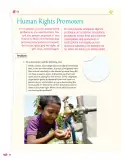
1. Individually, read the following stories about two young employees who promote young people's human rights.

Oliver

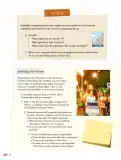
I am a college graduate whose career is very promising. I just started working for a law firm. My boss, to whom the firm belongs, talks a lot about the value of our world as young people.

When we meet, he always considers my and my colleagues' opinions and lets us express our proposals freely. He always gives us positive feedback and politely corrects us if we make mistakes. I hope all young people will have an opportunity to express their ideas, just like me.

Julie

I am a university student with a part-time security guard job. I know that most young people like me do not have a safe environment where they can develop physically and emotionally. The streets, which can be dangerous, are full of people who are homeless, have health problems, and lack jobs. My team forms constant protection and support brigades for these vulnerable people.

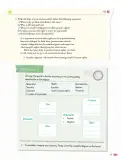
2. Who is described in each sentence? Mark (X) the correct boxes. Work individually, but remember that you are part of a community.

Oliver Julie
a) This young person defends security and social protection.
b) This young person promotes freedom of expression.
c) This person has a very supportive boss.
d) This person has a job whose function is to protect others.
e) This person has participated in brigades which have provided support to people in need.

3. Check your answers in communities. Then, check them in assembly.

4. Individually, considering everyone else, reread the texts. Underline the relative pronouns who, whose, whom, which, and that.

Ejemplos resueltos

Identify the relative pronoun in: "My boss, to whom the firm belongs, talks a lot..."

El pronombre relativo es whom porque se refiere a my boss (persona) y funciona como objeto de la preposición to.

Identify the relative pronoun in: "The streets, which can be dangerous, are full of people..."

El pronombre relativo es which porque se refiere a the streets (cosa) y añade información extra entre comas.

Tabla

Sentence Oliver Julie
a) defends security and social protection X
b) promotes freedom of expression X
c) has a very supportive boss X
d) job whose function is to protect others X
e) participated in brigades of support X

Glosario (8)

college graduate
persona que terminó sus estudios universitarios
law firm
bufete de abogados
feedback
retroalimentación u opinión sobre el desempeño
security guard
guardia de seguridad
homeless
persona sin hogar
brigades
brigadas, grupos organizados de apoyo
vulnerable
persona en situación de riesgo o desventaja
relative pronoun
pronombre que introduce una oración relativa (who, whose, whom, which, that)

Preguntas para practicar

Why is it important for young people to have a safe environment?

A safe environment allows young people to develop physically and emotionally without risks. It also protects their dignity and gives them equal opportunities to study and work.

How do Oliver and Julie promote human rights from their jobs?

Oliver promotes freedom of expression by sharing ideas with his boss. Julie promotes social protection by participating in brigades that support vulnerable people.

Temas y conceptos clave

Lectura comprensiva en inglésDerechos de los jóvenesPronombres relativosrelative pronounshuman rightsfreedom of expressionsocial protectionreading comprehension
¿Te fue útil esta página?

Figuras de la página (3)

Líneas onduladas rojas decorativas junto al título Reading.
Figura 1 image
Ícono de marcador de mapa rojo con centro blanco.
Figura 2 image
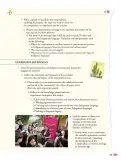
Ilustración de una persona joven con mochila y libros.
Figura 3 image

Preguntas que la gente también hace

¿Qué pronombres relativos aparecen en los textos de Oliver y Julie?
Consulta la solución completa arriba o explora el libro entero para temas relacionados.
¿Quién defiende la seguridad y la protección social en la lectura?
Consulta la solución completa arriba o explora el libro entero para temas relacionados.
¿Cómo se usan who, whose, whom, which y that en inglés?
Consulta la solución completa arriba o explora el libro entero para temas relacionados.
📌 Antes de leer esto
  • • Vocabulario básico en inglés sobre empleos y derechos
  • • Reconocer pronombres personales y posesivos
  • • Identificar la idea principal de un párrafo
Siguiente tema sugerido
Uso de pronombres relativos en oraciones compuestas (defining and non-defining relative clauses)
📝 Transcripción de la página (texto seleccionable) 1753 caracteres

Reading

1.1Individually, read the following stories about two young employees who promote young people's human rights.

Oliver

I am a college graduate whose career is very promising. I just started working for a law firm. My boss, to whom the firm belongs, talks a lot about the value of our world as young people.

When we meet, he always considers my and my colleagues'opinions and lets us express our proposals freely. He always gives us positive feedback and politely corrects us if we make mistakes. I hope all young people will have an opportunity to express their ideas, just like me.

Julie

I am a university student with a part-time security guard job. I know that most young people like me do not have a safe environment where they can develop physically and emotionally. The streets, which can be dangerous, are full of people who are homeless,have health problems, and lack jobs. My team forms constant protection and support brigades for these vulnerable people.

  1. Who is described in each sentence? Mark (X) the correct boxes. Work individually.but remember that you are part of a community.

a) This young person defends security and social protection.

b) This young person promotes freedom of expression.

c) This person has a very supportive boss.

d)This person has a job whose function is to protect others.

e)This person has participated in brigades which have provided support to people in need.

3. Check your answers in communities. Then, check them in assembly.

  1. Individually, considering everyone else, reread the texts. Underline the relative pronouns who, whose, whom, which, and that.

![](page=0,bbox=[878, 234, 1033, 322])

![](page=0,bbox=[94, 773, 173, 900])

![](page=0,bbox=[830, 943, 977, 1198])

72
Ad

Otros libros recomendados

Ver todos →
Ad

Usamos cookies propias y de terceros para personalizar contenido, mostrar publicidad y analizar el tráfico. Las cookies necesarias siempre están activas.