Saltar al contenido
MisLibrosTexto
Ad

Relative Pronouns: who, whose, whom, which, that

📄 ejercicios ingles 🎓 bachillerato · 3° Secundaria México 🇲🇽 MX 🗣 Español
Página 74
74 de 187
Página 74 de Uérakua anapu uantakua. Projects and Readings.  Libro de Educación Secundaria Grado 3°  Ciclo Escolar 2025 - 2026
Anterior Página 74 / 187 Siguiente

Respuesta rápida

  1. Ejemplos propios. 2. a) who, b) which, c) whom, d) whose, e) that. 3. Oraciones completas en el pizarrón.
📚 exercise ingles ⭐⭐ Dificultad 2/5 ⏱ 10 min lectura

Solución — Página 74

Uérakua anapu uantakua. Projects and Readings. Libro de Educación Secundaria Grado 3° Ciclo Escolar 2025 - 2026

1
Ejercicio 1

In community, read the following explanation and mention one more example of each relative pronoun.

  1. who (personas, reemplaza pronombres sujeto): The teacher who helped me was very kind.
  2. whose (posesión o relación): That is the girl whose brother plays soccer.
  3. whom (personas, reemplaza pronombres objeto): The doctor whom we visited was friendly.
  4. which (cosas y animales): The book, which is on the table, is mine.
  5. that (personas o cosas): The car that he bought is red.
Respuesta

Ejemplos adicionales: who → The teacher who helped me was very kind.; whose → That is the girl whose brother plays soccer.; whom → The doctor whom we visited was friendly.; which → The book, which is on the table, is mine.; that → The car that he bought is red.

2
Ejercicio 2

Individually, without forgetting you are part of a community, circle the correct relative pronoun to complete each sentence.

a
Parte 2.a

The lawyer works hard to defend the rights of teenagers, ______ deserve respect and dignity.

  1. El antecedente es teenagers (personas).
  2. La cláusula relativa necesita un pronombre que funcione como sujeto de deserve.
  3. who es el pronombre relativo para personas que reemplaza al sujeto.
Respuesta

who

b
Parte 2.b

The organization, ______ promotes young people's freedom of expression, is having a conference next month.

  1. El antecedente es The organization (cosa).
  2. La cláusula es explicativa (entre comas) y el pronombre es el sujeto de promotes.
  3. Para cosas se usa which; that no se usa en cláusulas explicativas.
Respuesta

which

c
Parte 2.c

The governor, ______ student activists have approached, is considering political changes to provide everyone with access to education.

  1. El antecedente es The governor (persona).
  2. El pronombre es el objeto del verbo have approached (los activistas se acercaron al gobernador).
  3. Para personas en función de objeto se usa whom.
Respuesta

whom

d
Parte 2.d

The hospital's director, ______ employees are passionate about social justice, is working on a campaign for equal access to health programs.

  1. El antecedente es The hospital's director (persona).
  2. employees pertenece al director; se expresa posesión.
  3. El pronombre relativo posesivo es whose.
Respuesta

whose

e
Parte 2.e

The government prepared a new law ______ protects teenagers' security.

  1. El antecedente es a new law (cosa).
  2. La cláusula es especificativa (sin comas) y el pronombre es el sujeto de protects.
  3. Para cosas en cláusula especificativa se puede usar that o which; la opción más natural y frecuente aquí es that.
Respuesta

that

3
Ejercicio 3

In community, write the complete sentences on the board.

  1. Se retoman las oraciones del ejercicio 2 con el pronombre correcto.
  2. Se escriben completas en el pizarrón para revisión grupal.

Respuesta orientativa:

  • a) The lawyer works hard to defend the rights of teenagers, who deserve respect and dignity.
  • b) The organization, which promotes young people's freedom of expression, is having a conference next month.
  • c) The governor, whom student activists have approached, is considering political changes to provide everyone with access to education.
  • d) The hospital's director, whose employees are passionate about social justice, is working on a campaign for equal access to health programs.
  • e) The government prepared a new law that protects teenagers' security.

Contenido de la página

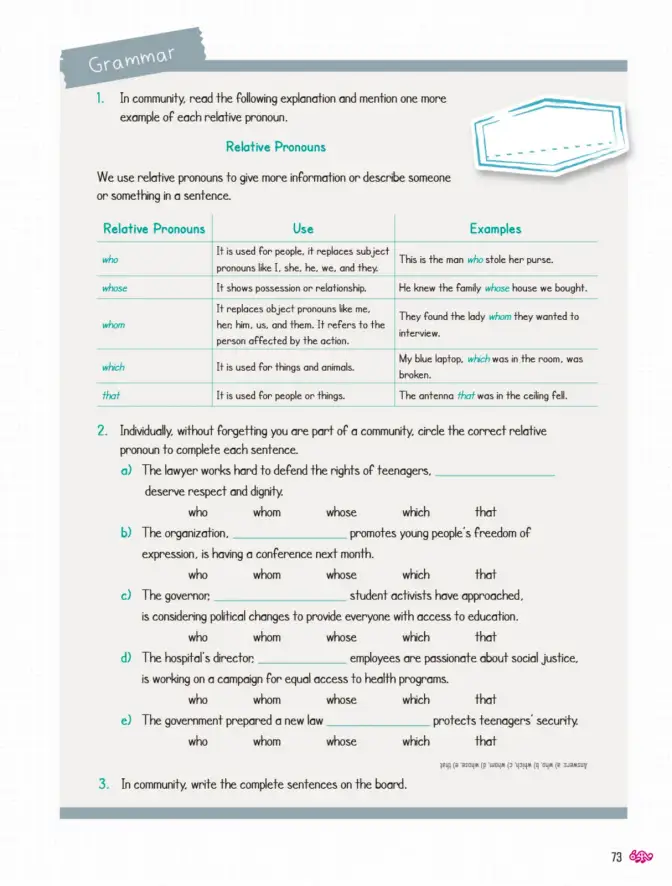
Grammar

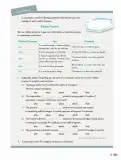
1. In community, read the following explanation and mention one more example of each relative pronoun.

Relative Pronouns

We use relative pronouns to give more information or describe someone or something in a sentence.

Relative Pronouns Use Examples
who It is used for people, it replaces subject pronouns like I, she, he, we, and they. This is the man who stole her purse.
whose It shows possession or relationship. He knew the family whose house we bought.
whom It replaces object pronouns like me, her, him, us, and them. It refers to the person affected by the action. They found the lady whom they wanted to interview.
which It is used for things and animals. My blue laptop, which was in the room, was broken.
that It is used for people or things. The antenna that was in the ceiling fell.

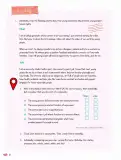
2. Individually, without forgetting you are part of a community, circle the correct relative pronoun to complete each sentence.

a) The lawyer works hard to defend the rights of teenagers, ______ deserve respect and dignity.

who / whom / whose / which / that

b) The organization, ______ promotes young people's freedom of expression, is having a conference next month.

who / whom / whose / which / that

c) The governor, ______ student activists have approached, is considering political changes to provide everyone with access to education.

who / whom / whose / which / that

d) The hospital's director, ______ employees are passionate about social justice, is working on a campaign for equal access to health programs.

who / whom / whose / which / that

e) The government prepared a new law ______ protects teenagers' security.

who / whom / whose / which / that

3. In community, write the complete sentences on the board.

Ejemplos resueltos

The lawyer works hard to defend the rights of teenagers, ______ deserve respect and dignity.

El antecedente es teenagers (personas) y el pronombre es el sujeto de deserve. Se usa who.

The organization, ______ promotes young people's freedom of expression, is having a conference next month.

El antecedente es The organization (cosa) y la cláusula es explicativa. Se usa which.

The governor, ______ student activists have approached, is considering political changes to provide everyone with access to education.

El antecedente es The governor (persona) y el pronombre es objeto de have approached. Se usa whom.

The hospital's director, ______ employees are passionate about social justice, is working on a campaign for equal access to health programs.

El antecedente es The hospital's director (persona) y se expresa posesión sobre employees. Se usa whose.

The government prepared a new law ______ protects teenagers' security.

El antecedente es a new law (cosa) en cláusula especificativa. Se usa that (o which).

Tabla

Relative Pronouns Use Examples
who It is used for people, it replaces subject pronouns like I, she, he, we, and they. This is the man who stole her purse.
whose It shows possession or relationship. He knew the family whose house we bought.
whom It replaces object pronouns like me, her, him, us, and them. It refers to the person affected by the action. They found the lady whom they wanted to interview.
which It is used for things and animals. My blue laptop, which was in the room, was broken.
that It is used for people or things. The antenna that was in the ceiling fell.

Glosario (7)

relative pronoun
Pronombre que introduce una cláusula relativa y se refiere a un antecedente.
antecedent
Palabra o frase a la que se refiere el pronombre relativo.
subject pronoun
Pronombre que realiza la acción del verbo (I, you, he, she, it, we, they).
object pronoun
Pronombre que recibe la acción del verbo (me, you, him, her, it, us, them).
possession
Relación de pertenencia o posesión.
defining relative clause
Cláusula relativa especificativa que da información esencial y no va entre comas.
non-defining relative clause
Cláusula relativa explicativa que añade información extra y va entre comas.

Preguntas para practicar

In community, read the following explanation and mention one more example of each relative pronoun.

Se espera que el estudiante lea la tabla y produzca un ejemplo original por cada pronombre, respetando su uso: who para personas sujeto, whose para posesión, whom para personas objeto, which para cosas y that para personas o cosas.

In community, write the complete sentences on the board.

Se espera que el estudiante escriba las cinco oraciones completas con el pronombre relativo correcto y las comparta en el pizarrón para revisión grupal.

Temas y conceptos clave

Relative PronounsGrammarEnglishwhowhosewhomwhichthatrelative clausesantecedentesujetoobjetoposesión
¿Te fue útil esta página?

Figuras de la página (1)

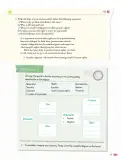
Recuadro decorativo con líneas punteadas, probablemente para escribir ejemplos.
Figura 1 image

Preguntas que la gente también hace

¿Cuándo se usa who y cuándo whom en inglés?
Consulta la solución completa arriba o explora el libro entero para temas relacionados.
¿Cuál es la diferencia entre which y that en oraciones relativas?
Consulta la solución completa arriba o explora el libro entero para temas relacionados.
¿Cómo se usan los pronombres relativos en inglés con ejemplos?
Consulta la solución completa arriba o explora el libro entero para temas relacionados.
📌 Antes de leer esto
  • • Conocer los pronombres personales en inglés (I, you, he, she, it, we, they)
  • • Identificar sujeto y objeto en una oración
  • • Reconocer la diferencia entre personas y cosas
Siguiente tema sugerido
Cláusulas relativas especificativas y no especificativas (defining and non-defining relative clauses)
📝 Transcripción de la página (texto seleccionable) 1955 caracteres

Grammar

1.]In community, read the following explanation and mention one more example of each relative pronoun.

Relative Pronouns

We use relative pronouns to give more information or describe someone or something in a sentence.

  1. Individually, without forgetting you are part of a community, circle the correct relative pronoun to complete each sentence.

a) The lawyer works hard to defend the rights of teenagers,

deserve respect and dignity.

who whom whose which that

b) The organization,promotes young people's freedom of expression, is having a conference next month.

who whom whose which that

c)The governor;student activists have approached,is considering political changes to provide everyone with access to education.who whom whose which that

d)The hospital's director;employees are passionate about social justice,is working on a campaign for equal access to health programs.

who whom whose which that

e)The government prepared a new law protects teenagers'security.who whom whose which that

(aas( gsauy

  1. In community, write the complete sentences on the board.

![](page=0,bbox=[851, 169, 1138, 322])

Relative PronounsUseExamples
whoIt is used for people, it replaces subject pronouns like I, she, he, we, and they.This is the man who stole her purse.
whoseIt shows possession or relationship.He knew the family whose house we bought.
whomIt replaces object pronouns like me, hen; him, us, and them. It refens to the person affected by the action.They found the lady whom they wanted to interview.
whichIt is used for things and animals.My blue laptop, which was in the room, was broken.
thatIt is used for people or things.The antenna that was in the ceiling fell

738

Ad

Otros libros recomendados

Ver todos →
Ad

Usamos cookies propias y de terceros para personalizar contenido, mostrar publicidad y analizar el tráfico. Las cookies necesarias siempre están activas.