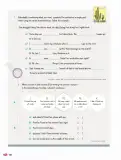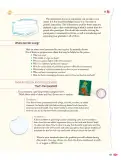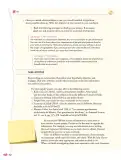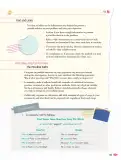
















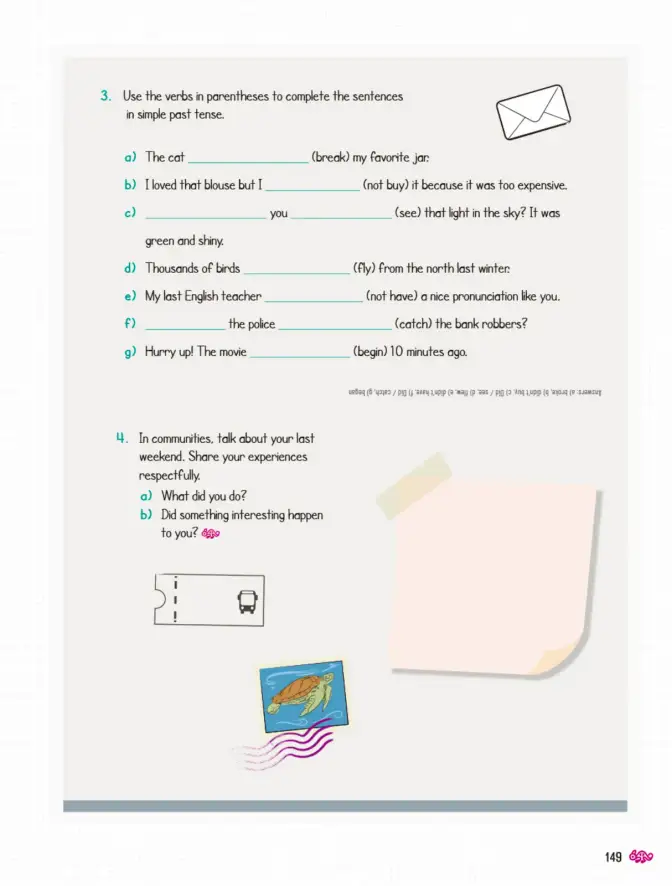
Enunciado traducido: Usa los verbos entre paréntesis para completar las oraciones en pasado simple.
The cat ___ (break) my favorite jar.
- Oración afirmativa; break es irregular: break → broke.
The cat broke my favorite jar. (El gato rompió mi jarra favorita.)
I loved that blouse but I ___ (not buy) it because it was too expensive.
- Negativa en pasado: didn't + forma base.
I loved that blouse but I didn't buy it because it was too expensive. (Me encantó esa blusa pero no la compré porque era muy cara.)
___ you ___ (see) that light in the sky? It was green and shiny.
- Pregunta en pasado: Did + sujeto + verbo base.
Did** you see that light in the sky? It was green and shiny. (¿Viste esa luz en el cielo? Era verde y brillante.)
Thousands of birds ___ (fly) from the north last winter.
- Afirmativa; fly es irregular: fly → flew.
Thousands of birds flew from the north last winter. (Miles de aves volaron del norte el invierno pasado.)
My last English teacher ___ (not have) a nice pronunciation like you.
- Negativa en pasado: didn't + forma base (have).
My last English teacher didn't have a nice pronunciation like you. (Mi maestra de inglés anterior no tenía una pronunciación bonita como la tuya.)
___ the police ___ (catch) the bank robbers?
- Pregunta en pasado: Did + sujeto + verbo base.
Did** the police catch the bank robbers? (¿Atrapó la policía a los asaltantes del banco?)
Hurry up! The movie ___ (begin) 10 minutes ago.
- Afirmativa; begin es irregular: begin → began.
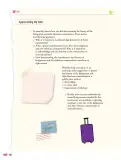
(Coincide con la clave impresa invertida en la página: a) broke, b) didn't buy, c) Did / see, d) flew, e) didn't have, f) Did / catch, g) began.)
Hurry up! The movie began 10 minutes ago. (¡Apúrenle! La película empezó hace 10 minutos.)