

















Body, Space, and Time in Art — La Llorona Analysis Activity
Respuesta rápida
a) Sí, hay varias versiones orales. b) Pueblos y ciudades junto al agua; época colonial y contemporánea. c) Canciones, películas, pinturas, fotografías y audios. d) Mujer triste y espectral, descrita con olores, texturas, colores y sonidos.
Solución — Página 163
Uérakua anapu uantakua. Projects and Readings. Libro de Educación Secundaria Grado 2° Ciclo Escolar 2025 - 2026
Ejercicio a
Is there an oral tradition built upon a different version of La Llorona? If so, what are the similarities and differences?
- La Llorona es una leyenda de tradición oral con múltiples versiones en México y Latinoamérica.
- Versión clásica: una mujer indígena o mestiza llora a sus hijos ahogados en un río y su lamento se escucha de noche.
- Versión colonial: se asocia a la Malinche o a una mujer que mató a sus hijos por un amor prohibido y fue condenada a vagar.
- Versión contemporánea: aparece cerca de ríos, canales o calles, y su llanto anuncia desgracias.
Respuesta: Sí existe tradición oral con varias versiones. Similitudes: el llanto nocturno, la pérdida de los hijos y el castigo eterno. Diferencias: el origen (prehispánico, colonial o moderno), el escenario (río, pueblo, ciudad) y el motivo del crimen.
Ejercicio b
In what place and time is it set? A town, a city, or a village? When does it take place? In the colonial or in the contemporary era?
- La leyenda se sitúa en espacios acuáticos: ríos, lagunas, canales y acequias.
- Las versiones coloniales ocurren en pueblos y ciudades novohispanas (siglos XVI-XVIII).
- Las versiones contemporáneas se ubican en barrios, calles y colonias actuales.
Respuesta: Se ambienta en pueblos, villas y ciudades, principalmente junto al agua. La época varía: versiones coloniales y versiones contemporáneas conviven en la tradición oral.
Ejercicio c
What artistic or cultural manifestations (songs, paintings, photographs, movies, or audios) exist about La Llorona?
- Música: la canción tradicional "La Llorona", interpretada por Chavela Vargas, Lila Downs y Natalia Lafourcade.
- Cine: películas como La Llorona (1933), La maldición de la Llorona (1963) y La Llorona (2019, Jayro Bustamante).
- Pintura y fotografía: obras de artistas mexicanos que representan a la mujer con velo y llanto.
- Literatura y audio: relatos, leyendas recopiladas y grabaciones de tradición oral.
Respuesta: Existen canciones, películas, pinturas, fotografías, relatos literarios y audios de tradición oral sobre La Llorona.
Ejercicio d
What is La Llorona like? Describe her with adjectives, comparisons, and sensory associations, identifying smells, textures, colors, sounds, and body sensations.
- Adjetivos: triste, espectral, errante, doliente, pálida, silenciosa.
- Comparaciones: su llanto suena como el viento entre los árboles; su vestido blanco es como niebla.
- Olores: humedad de río, flores marchitas, cera de velas.
- Texturas: tela fría y húmeda, agua helada, aire cortante.
- Colores: blanco, gris, negro, azul nocturno.
- Sonidos: llanto, susurros, pasos, agua corriendo.
- Sensaciones corporales: escalofríos, piel erizada, opresión en el pecho.
Respuesta: La Llorona es una figura triste y espectral; se la describe con comparaciones sensoriales que evocan frío, humedad, llanto y miedo.
Contenido de la página
Retrieval
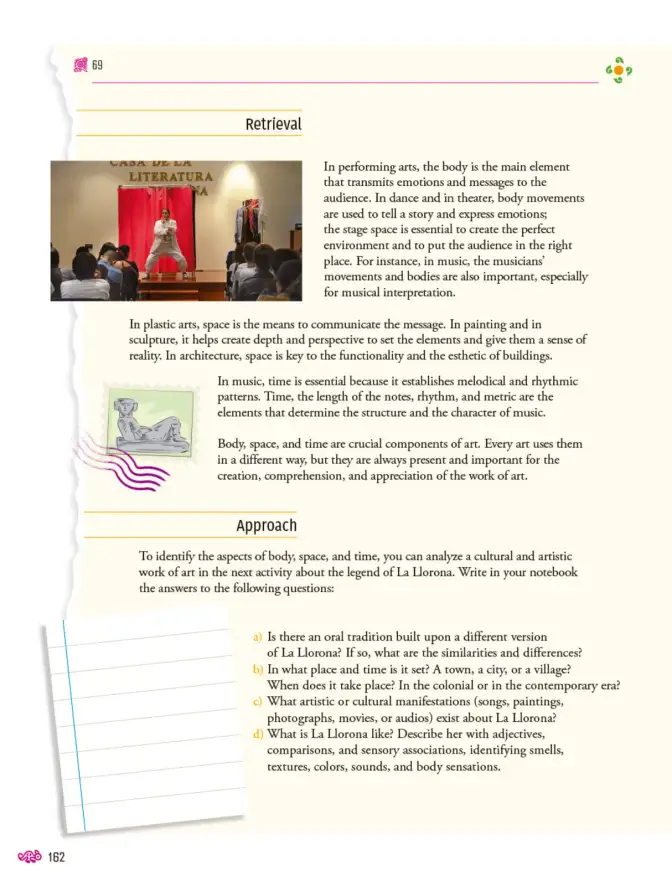
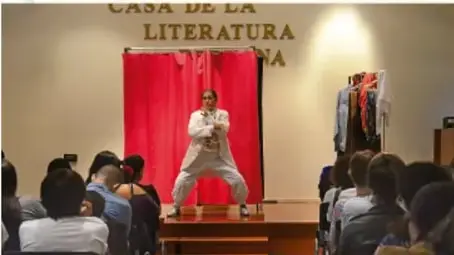
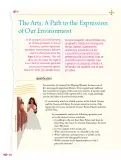
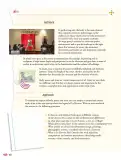
In performing arts, the body is the main element that transmits emotions and messages to the audience. In dance and in theater, body movements are used to tell a story and express emotions; the stage space is essential to create the perfect environment and to put the audience in the right place. For instance, in music, the musicians' movements and bodies are also important, especially for musical interpretation.
In plastic arts, space is the means to communicate the message. In painting and in sculpture, it helps create depth and perspective to set the elements and give them a sense of reality. In architecture, space is key to the functionality and the esthetic of buildings.
In music, time is essential because it establishes melodical and rhythmic patterns. Time, the length of the notes, rhythm, and metric are the elements that determine the structure and the character of music.
Body, space, and time are crucial components of art. Every art uses them in a different way, but they are always present and important for the creation, comprehension, and appreciation of the work of art.
Approach
To identify the aspects of body, space, and time, you can analyze a cultural and artistic work of art in the next activity about the legend of La Llorona. Write in your notebook the answers to the following questions:
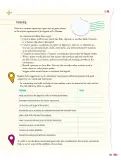
a) Is there an oral tradition built upon a different version of La Llorona? If so, what are the similarities and differences?
b) In what place and time is it set? A town, a city, or a village? When does it take place? In the colonial or in the contemporary era?
c) What artistic or cultural manifestations (songs, paintings, photographs, movies, or audios) exist about La Llorona?
d) What is La Llorona like? Describe her with adjectives, comparisons, and sensory associations, identifying smells, textures, colors, sounds, and body sensations.
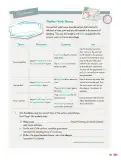
Tabla
| Disciplina | Elemento principal | Función |
|---|---|---|
| Danza y teatro | Cuerpo | Transmite emociones y cuenta historias |
| Pintura y escultura | Espacio | Crea profundidad y perspectiva |
| Arquitectura | Espacio | Define funcionalidad y estética |
| Música | Tiempo | Establece patrones melódicos y rítmicos |
Diagrama
mindmap
  root((Body, Space, Time in Art))
    Performing Arts
      Body
      Stage space
      Movement
    Plastic Arts
      Space
      Depth
      Perspective
    Music
      Time
      Rhythm
      Metric
Glosario (5)
- performing arts
- artes escénicas: danza, teatro y música interpretadas ante un público
- plastic arts
- artes plásticas: pintura, escultura y arquitectura
- oral tradition
- tradición oral: relatos transmitidos de generación en generación por la palabra
- metric
- métrica: organización de los tiempos y acentos en la música
- sensory associations
- asociaciones sensoriales: olores, texturas, colores y sonidos que evoca una imagen
Preguntas para practicar
¿Por qué el cuerpo, el espacio y el tiempo son componentes cruciales del arte?
Porque todo hecho artístico ocurre en un cuerpo que se expresa, en un espacio que lo contiene y en un tiempo que lo organiza. Cada disciplina los combina de manera distinta, pero siempre están presentes en la creación y apreciación de la obra.
¿Qué diferencias hay entre el uso del espacio en la pintura y en la arquitectura?
En la pintura el espacio es representado y crea profundidad y perspectiva; en la arquitectura el espacio es real y habitable, y determina la funcionalidad y la estética del edificio.
Temas y conceptos clave
Figuras de la página (3)

Preguntas que la gente también hace
¿Cuáles son las versiones más conocidas de la leyenda de La Llorona?
¿Cómo se representa el cuerpo, el espacio y el tiempo en la danza y el teatro?
¿Qué películas y canciones existen sobre La Llorona?
- • Identificar elementos básicos de las artes (cuerpo, espacio, tiempo)
- • Conocer qué es una leyenda y una tradición oral
- • Vocabulario descriptivo en inglés (adjetivos, comparaciones, sentidos)
📝 Transcripción de la página (texto seleccionable) 2004 caracteres
Retrieval
In performing arts, the body is the main element that transmits emotions and messages to the audience. In dance and in theater, body movements are used to tell a story and express emotions;the stage space is essential to create the perfect environment and to put the audience in the right place. For instance, in music, the musicians'movements and bodies are also important, especially for musical interpretation.
In plastic arts, space is the means to communicate the message. In painting and in sculpture, it helps create depth and perspective to set the elements and give them a sense of reality. In architecture, space is key to the functionality and the esthetic of buildings.
In music, time is essential because it establishes melodical and rhythmic patterns. Time, the length of the notes, rhythm, and metric are the elements that determine the structure and the character of music.
Body, space, and time are crucial components of art. Every art uses them in a different way, but they are always present and important for the creation, comprehension, and appreciation of the work of art.
Approach
To identify the aspects of body, space, and time, you can analyze a cultural and artistic work of art in the next activity about the legend of La Llorona. Write in your notebook the answers to the following questions:
a) Is there an oral tradition built upon a different version of La Llorona? If so, what are the similarities and differences?b) In what place and time is it set? A town, a city, or a village?When does it take place? In the colonial or in the contemporary era?What artistic or cultural manifestations (songs, paintings,photographs, movies, or audios) exist about La Llorona?d) What is La Llorona like? Describe her with adjectives,comparisons, and sensory associations, identifying smells,textures, colors, sounds, and body sensations.
6


162
Otros libros recomendados
Colección Sk´asolil. Lenguajes. Libro de Educación Secundaria Grado 2° Ciclo Escolar 2025 - 2026
SEP/CONALITEG
323 págs.
Colección Sk´asolil. Saberes y pensamiento científico. Libro de Educación Secundaria Grado 2° Ciclo Escolar 2025 - 2026
SEP/CONALITEG
339 págs.
Colección Sk´asolil. Ética, naturaleza y sociedades. Libro de Educación Secundaria Grado 2° Ciclo Escolar 2025 - 2026
SEP/CONALITEG
355 págs.
Fichas de Matemática 2 · 2024
Larisa Mansilla Fernández y equipo
100 págs.
Comprensión lectora : manual para el docente de segundo grado de Secundaria 2018 · 2018
MINEDU
194 págs.
Comprensión lectora 2 : manual para el docente de segundo grado de Secundaria · 2017
MINEDU
130 págs.
Fichas de aprendizaje de Comunicación 2 · 2024
Carmen Patricia Cáceres Villanueva y equipo
100 págs.

Uérakua anapu uantakua. Projects and Readings. Libro de Educación Telesecundaria Grado 3° Ciclo Escolar 2025 - 2026
SEP/CONALITEG
187 págs.