Ejercicio 1
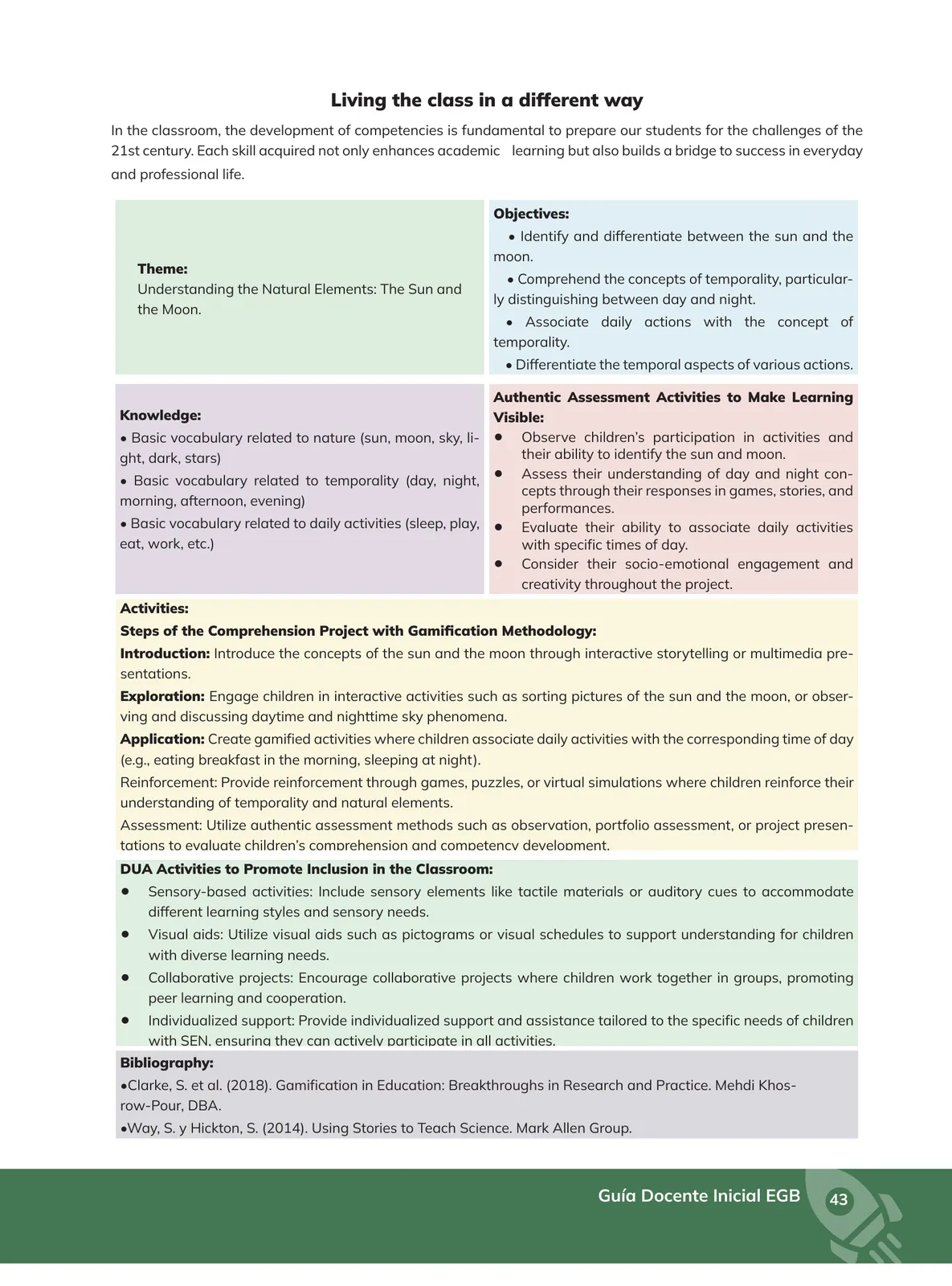
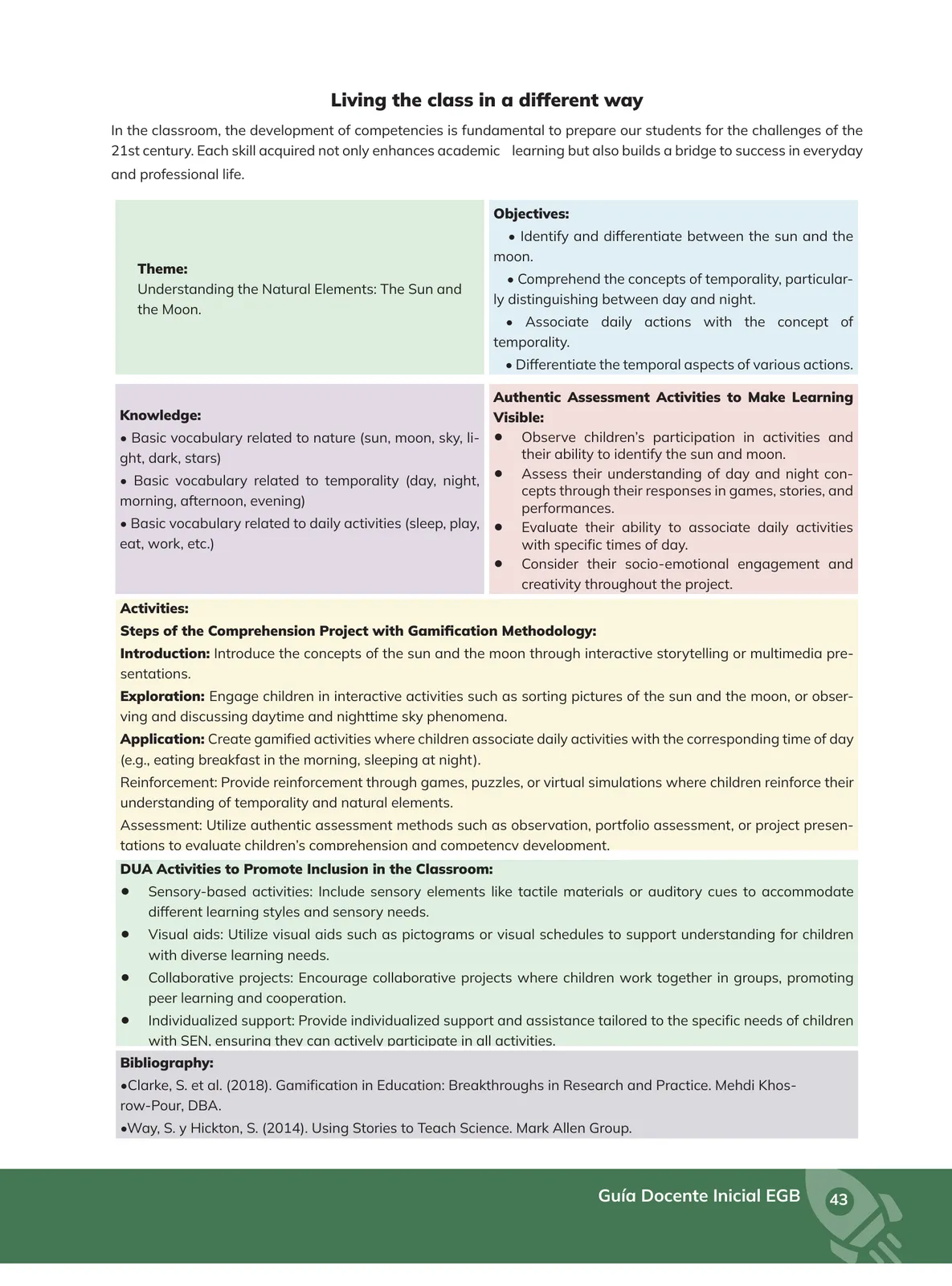
Living the class in a different way
In the classroom, the development of competencies is fundamental to prepare our students for the challenges of the 21st century. Each skill acquired enhances academic learning and builds a bridge to success in everyday and professional life.
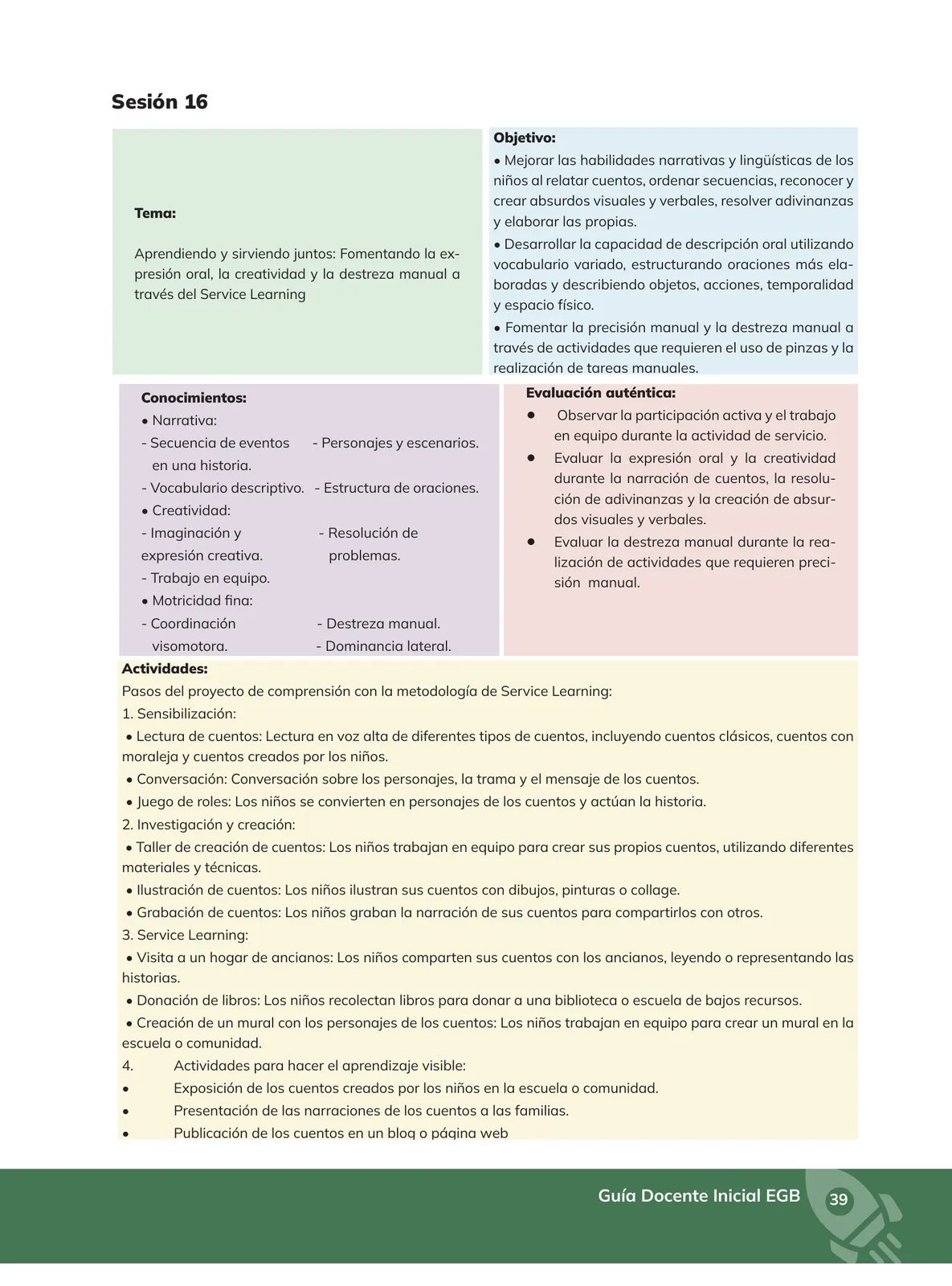
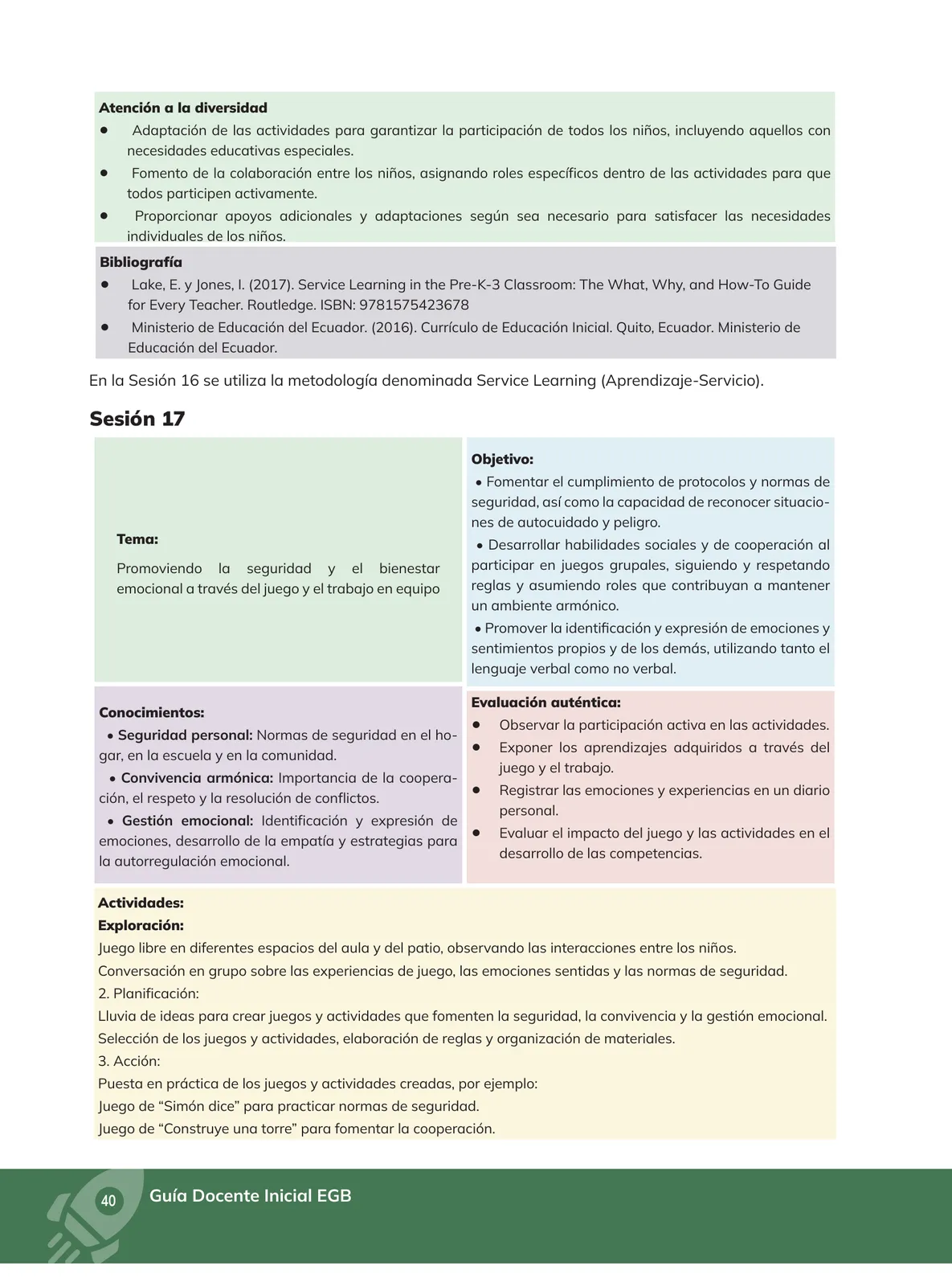
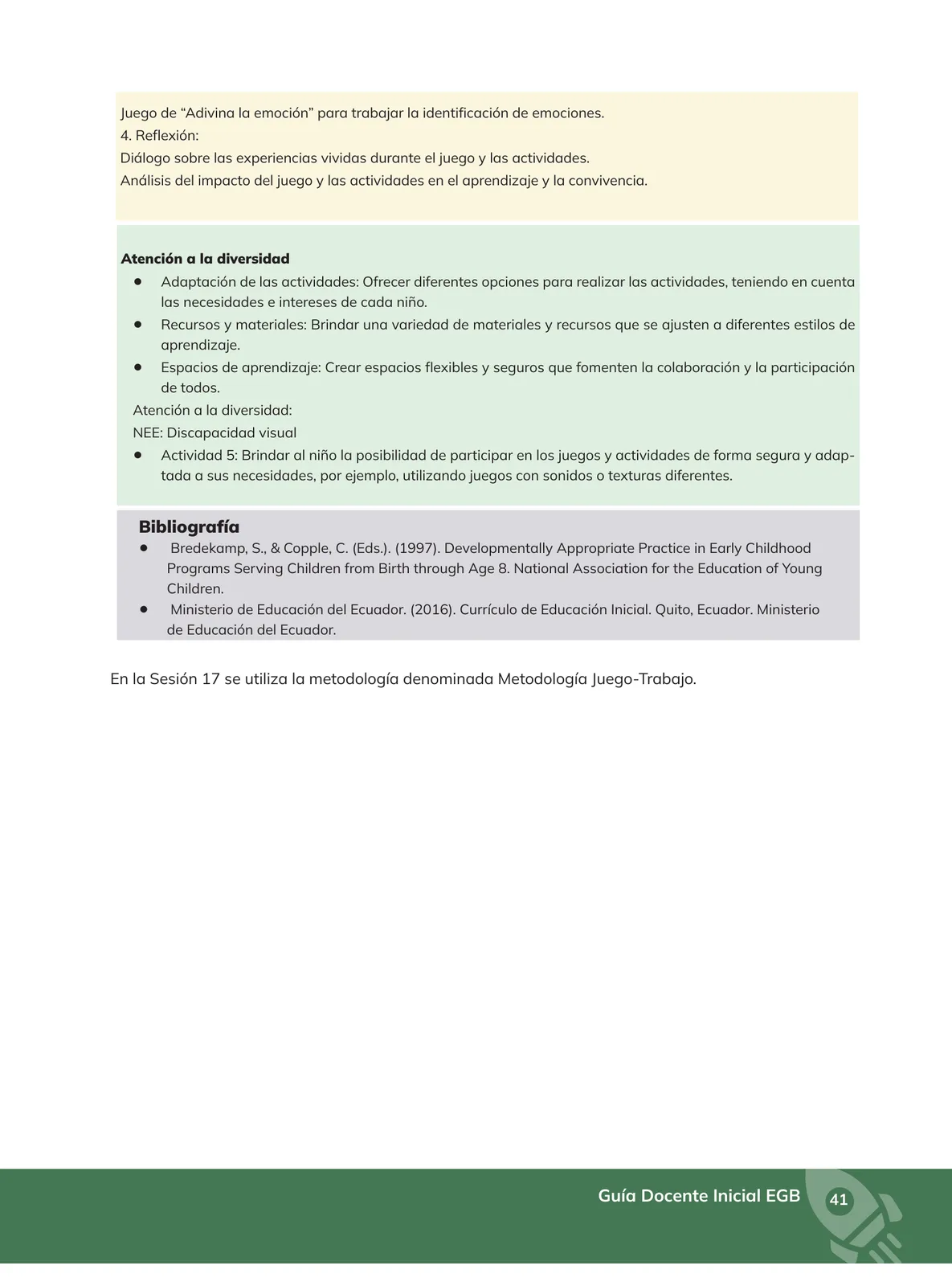
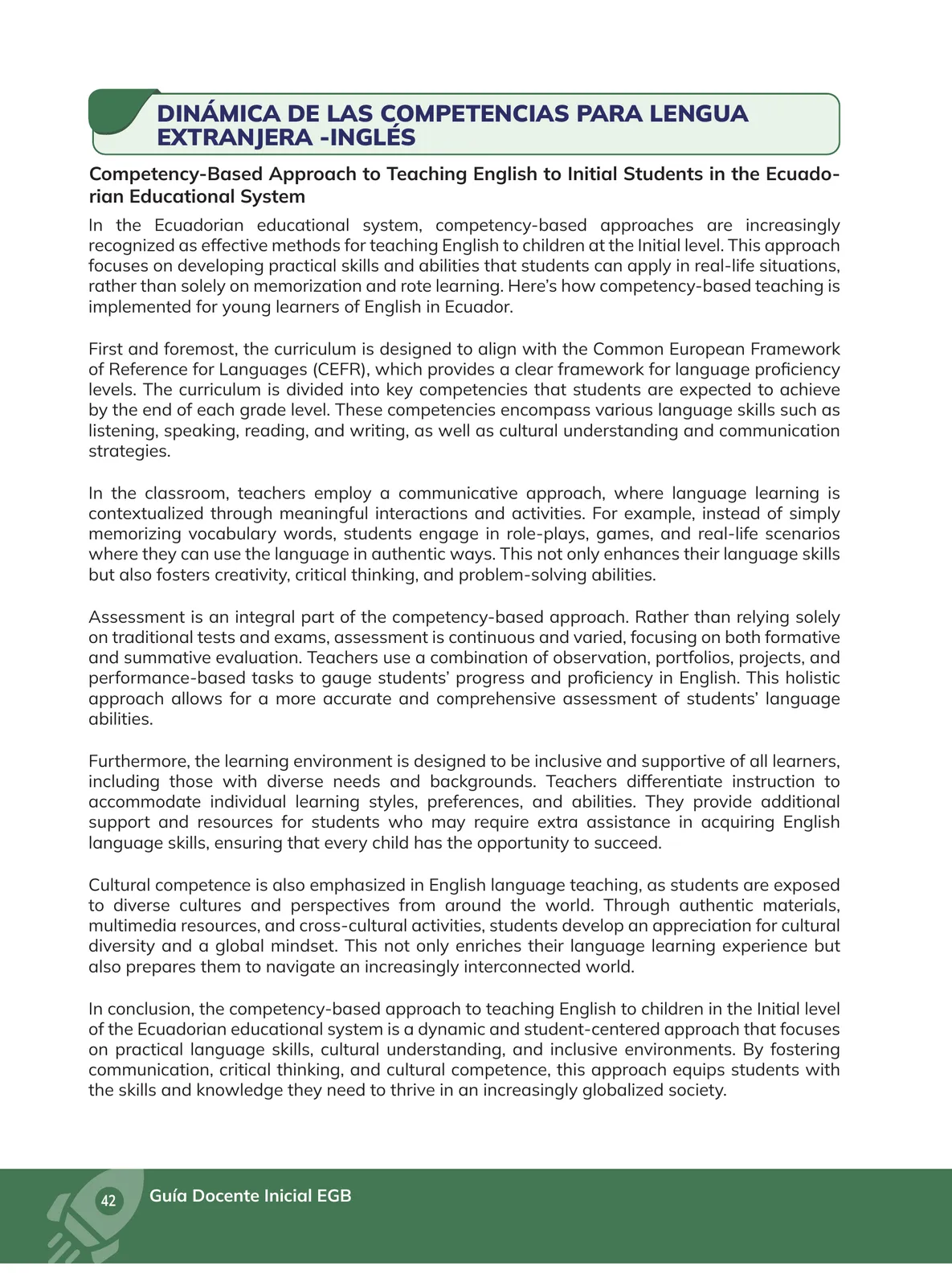
Theme: Understanding the Natural Elements: The Sun and the Moon
Objectives
- Identify and differentiate between the sun and the moon.
- Comprehend the concepts of temporality, distinguishing between day and night.
- Associate daily actions with the concept of temporality.
- Differentiate the temporal aspects of various actions.
Knowledge
- Basic vocabulary related to nature (sun, moon, sky, light, dark, stars).
- Basic vocabulary related to temporality (day, night, morning, afternoon, evening).
- Basic vocabulary related to daily activities (sleep, play, eat, work, etc.).
Authentic Assessment Activities
- Observe children's participation and ability to identify the sun and moon.
- Assess understanding of day/night concepts through games, stories and performances.
- Evaluate ability to associate daily activities with specific times of day.
- Consider socio-emotional engagement and creativity throughout the project.
Steps of the Comprehension Project with Gamification Methodology
- Introduction: introduce sun and moon through interactive storytelling or multimedia.
- Exploration: sorting pictures, observing and discussing sky phenomena.
- Application: gamified activities associating daily activities with corresponding time of day.
- Reinforcement: games, puzzles, virtual simulations.
- Assessment: observation, portfolio, project presentations.
DUA Activities to Promote Inclusion
- Sensory-based activities: tactile materials, auditory cues.
- Visual aids: pictograms, visual schedules.
- Collaborative projects: group work for peer learning.
- Individualized support: tailored to SEN students.
Bibliography
- Clarke, S. et al. (2018). Gamification in Education: Breakthroughs in Research and Practice. Mehdi Khosrow-Pour, DBA.
- Way, S. & Hickton, S. (2014). Using Stories to Teach Science. Mark Allen Group.